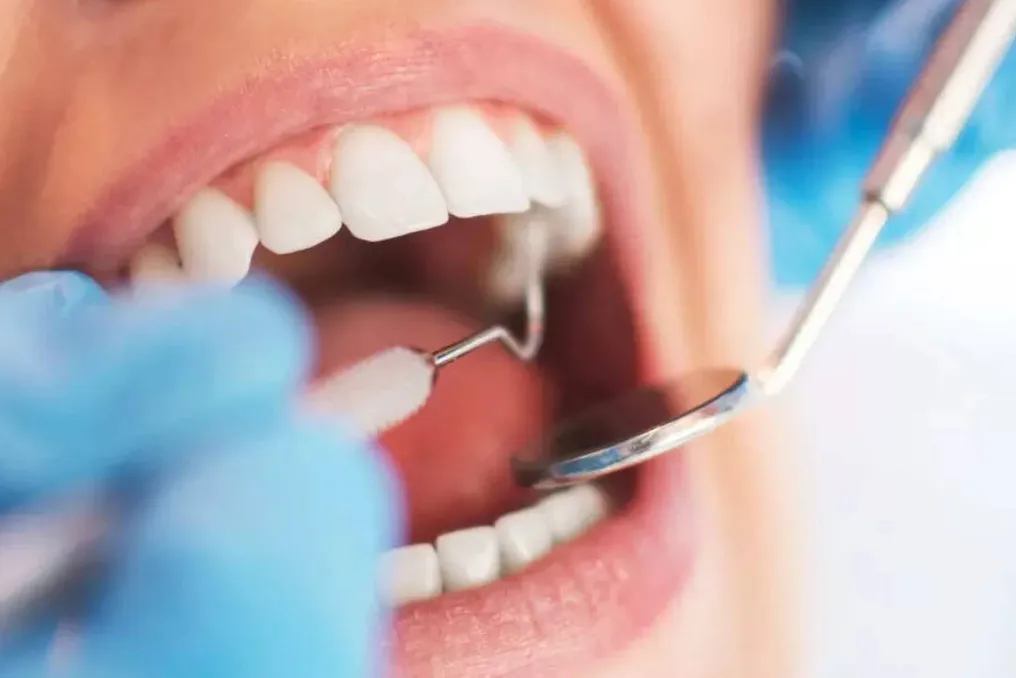
During the week dedicated to the national campaign for oral and dental health, which took place from October 17 to 23 across the country, the Ministry of Health provided various dental services.
The main focus of the campaign was on education, self-help, prevention, and raising awareness about the importance of oral health. The Ministry of Health, in collaboration with the Ministry of Education, conducted oral hygiene educational events in schools to improve the knowledge of children and their families in this area.
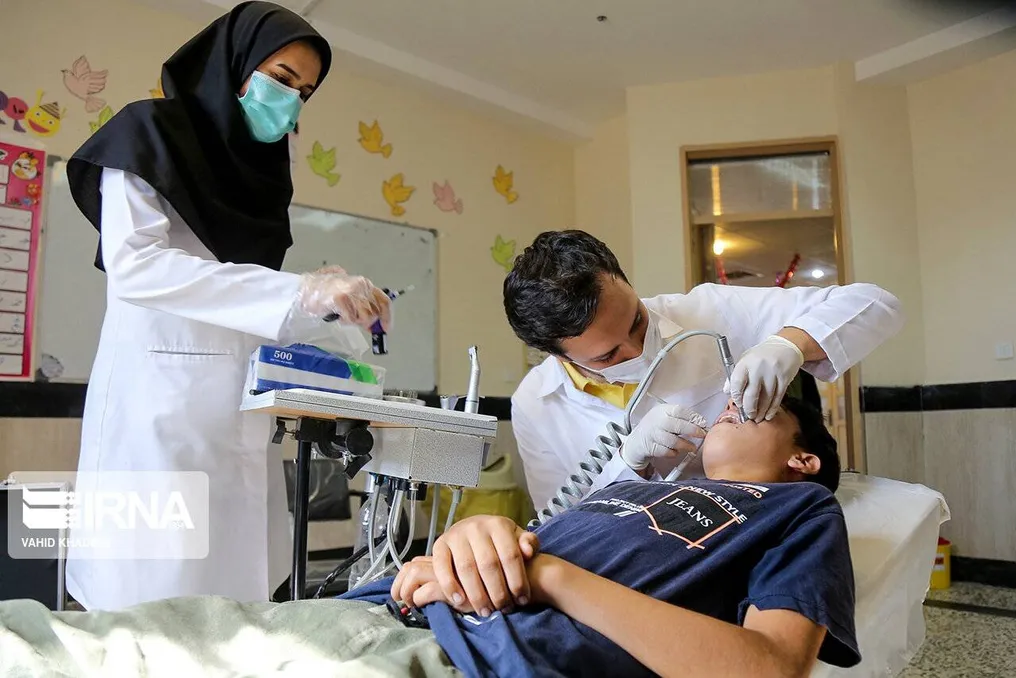
Dental check-ups were carried out in schools, focusing on proper tooth brushing, application of fluoride varnish, encouraging healthy habits, and referring those needing further treatment to medical centers.
With the help of school health ambassadors and medical workers in educational institutions, students were informed about proper nutrition, as well as how to brush and use dental floss correctly.
According to Zahra Korbani, an employee of the Ministry of Health, dental services were provided not only in schools but also in rural and urban areas with populations under 20,000. Pregnant women, mothers with children under two years old, and children up to 14 years old received free oral health packages and dental treatment.
Korbani also reported that in other cities, dental services were offered with medical insurance covering 70 percent of total expenses. These services included tooth extraction, fillings, professional cleaning, and preventive care.
The employee emphasized that the Ministry of Health's programs are not limited to the oral health week; the ministry strives to improve both the accessibility and quality of services by modernizing equipment, supplying necessary materials, and deploying dentists to areas lacking specialists.
Addressing the high costs of dental treatment, Korbani noted that the primary task of the Ministry of Health is to prevent diseases and reduce the need for expensive medical care. To preserve natural teeth, promote oral health, and lessen the financial burden, dental services should target people at an early age while increasing access to necessary treatment.
The weekly event was held under the slogan 'Don't forget two times two, brush your teeth two minutes twice a day,' as stated on the Ministry of Health website. Furthermore, the Ministry of Health utilized the potential of dental clinics, mass media, and social networks to conduct educational and preventive programs related to oral health, aiming to popularize self-help and increase public literacy on oral health matters.
Korbani mentioned that in the past Iranian year, the program was implemented in about 34,000 schools, providing services to over three million students nationwide, according to January data.
World Oral Health Day (WOHD) is observed annually on March 20 to provide people with the tools and knowledge to prevent and control oral diseases that affect nearly 3.5 billion people worldwide. It encourages people to take care of their oral health by maintaining good hygiene and managing risk factors.
The theme of WOHD 2026, 'Happy Mouth – Happy Life,' focused on oral health as the foundation of lifelong well-being—from a baby's first teeth to maintaining a healthy smile in old age.