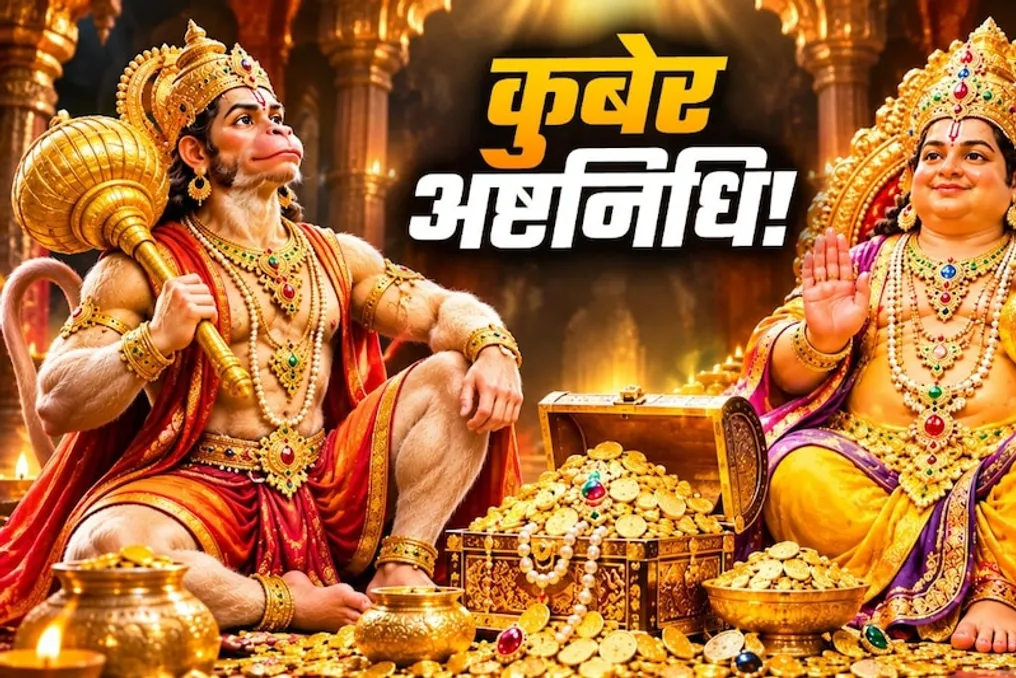
Unlike Kubera, Hanuman possesses nine treasures that are absent from Kubera's eight treasures
Read more
Aaj Tak
www.aajtak.in

Unlike Kubera, Hanuman possesses nine treasures that are absent from Kubera's eight treasures

In the Hanuman Chalisa Goswami Tulasi Das wrote that he is the bestower of eight siddhis and nine nidhis. According to this, Sita's mother bestowed a blessing upon Hanuman, which enabled him to bestow eight siddhis and nine nidhis.

However, Kubera possesses only eight nidhis. Hanuman has nine nidhis: Padma, Mahapadma, Shankha, Makara, Kachchapa, Mukunda, Kunda, Nila, and Harva. Whereas Kubera has eight nidhis: Mahapadma, Padma, Shankha, Makara, Kachchapa, Mukunda, Nanda, and Nila. The Kunda nidhi is present in Hanuman's nine nidhis but is absent in Kubera's eight nidhis.

This means that Hanuman has nine nidhis, while the God Kubera has eight nidhis. Both figures are associated with wealth, status, and grandeur, but their spiritual significance and meaning differ. Hanuman is considered to possess not only strength and devotion but also all forms of wealth.

The spiritual meaning is that through Hanuman's grace, a devotee can attain not only material wealth but also happiness, satisfaction, capability, security, and spiritual progress in life. These nidhis symbolize various forms of wealth, precious stones, precious metals, splendor, and abundance.

When it comes to wealth and property, the God Kubera is mentioned first. As the treasurer of the gods, Kubera stores not only treasures of gold, silver, and gemstones but also possesses eight special nidhis called Ashtanidhi. It is believed that these eight nidhis contain various aspects of wealth, splendor, prosperity, knowledge, and affluence. This is why traders and people desiring wealth have worshipped Kubera since ancient times.

1. Mahapadma Nidhi: A symbol of immense wealth and grandeur; this is prosperity that lasts for generations.

2. Padma Nidhi: Padma means lotus; it is associated with valuable assets such as gold, silver, gemstones, and jewelry.

3. Shankha Nidhi: The conch shell is considered a symbol of auspiciousness and prosperity; it is related to obtaining comfort and wealth.

4. Makara Nidhi: Makara is an aquatic creature; it symbolizes hidden treasures, precious items, and material resources.

5. Kachchapa Nidhi: Kachchapa, meaning tortoise, is a symbol of patience and stability; it is associated with safe and long-term property.

6. Mukunda Nidhi: Related to precious metals, stones, and material splendor.

7. Nanda Nidhi: Considered a nidhi that brings joy, happiness, prosperity, and well-being to the family.

8. Nila Nidhi: Nila is associated with gemstones, especially sapphires, and valuable property.

From a religious perspective, the message of the Ashtanidhi is that true prosperity lies not only in accumulating wealth but also in preserving it, increasing it correctly, and using it for the good of society. This is the spiritual message of worshipping Kubera.
Similar stories

Sunny Deol's Luxurious Home: From Helipad to Gym, A Bungalow Comparable to a Palace
Read more
www.aajtak.in

Sunny Deol's Luxurious Home: From Helipad to Gym, A Bungalow Comparable to a Palace

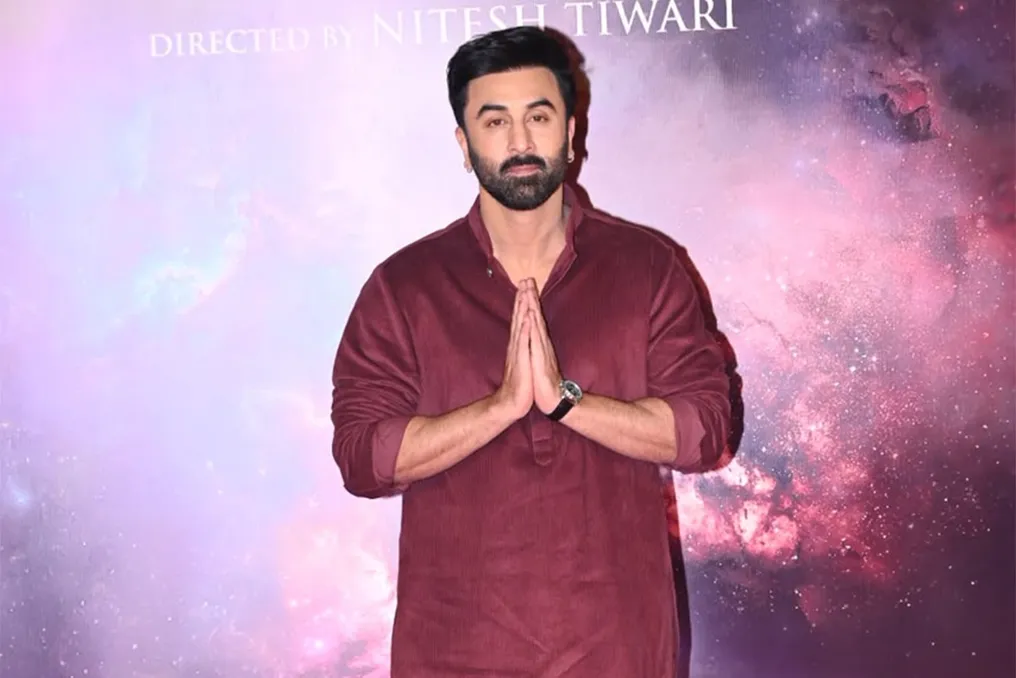
The film 'Ramayana', directed by Namit Malhotra, was released in theaters on Wednesday. In this movie, Ranbir Kapoor played the role of Lord Rama, Ravi Dubey played Lakshmana, and Sai Pallavi played Mata Sita. Sunny Deol portrayed the devoted Hanuman in the film, which was a big gift for his fans.

Before finding out how his performance as Hanuman will affect box office collections, one can get acquainted with his luxurious home. We present how Sunny Deol, as Hanuman, lives a life of abundance.

The actor owns a magnificent mansion in the Malabar Hill area of Mumbai. Sunny Deol's house is equipped with all the amenities of modern life. The actor installed high-quality colored glass that sparkles with rainbow colors when sunlight falls on it.

A swimming pool is located in the yard of the house, giving the feeling that you are by the sea. The garden area of the house also looks very picturesque. The sofas in the actor's house look very luxurious and comfortable, indicating relaxing leisure time.

The actor's house has a cinema and a helipad on the roof, which testifies to his luxurious lifestyle. Besides Mumbai, Sunny owns properties in Manali and Lonavala. Furthermore, he has acquired property in Great Britain and enjoys spending free time at his home in Great Britain when he has a break from work.

Ashtalakshmi: Eight Forms of Goddess Lakshmi and Their Connection to Wealth Acquisition
Read more
www.aajtak.in

Ashtalakshmi: Eight Forms of Goddess Lakshmi and Their Connection to Wealth Acquisition

This year, the festival of Diwali will be celebrated on November 8th. Diwali is traditionally celebrated on the day of Amavasya in the Kartik month. According to beliefs, worshipping Mother Lakshmi on this day brings not only an increase in wealth and provisions but also promotes happiness, luck, and prosperity.

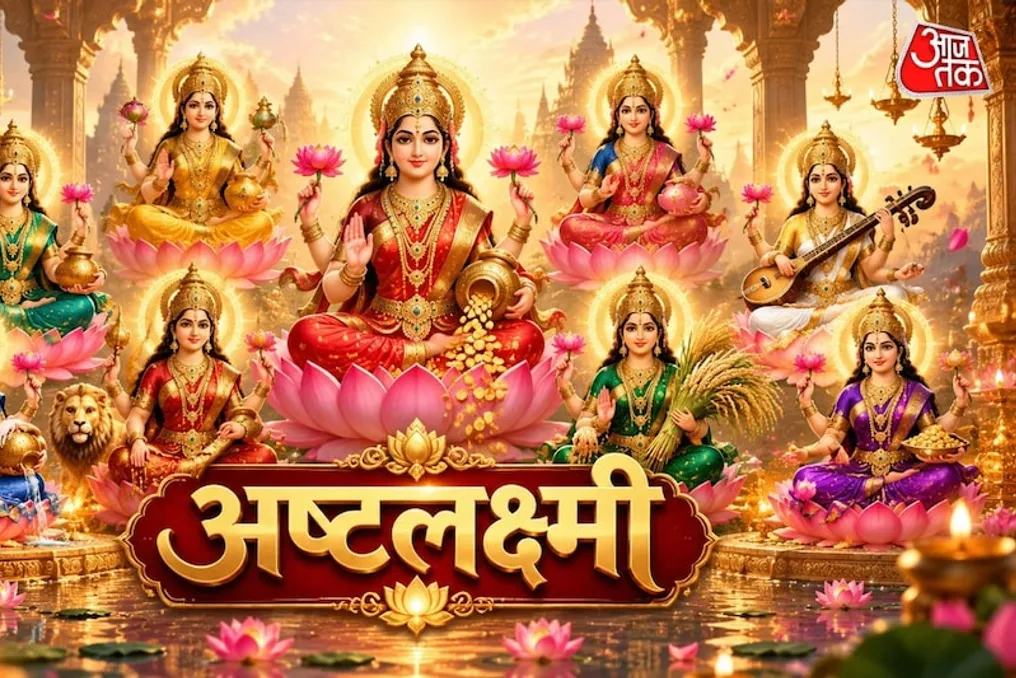
Sacred scriptures describe eight different aspects of Goddess Lakshmi, known as Ashtalakshmi. These eight forms of the goddess are revered to achieve desires such as wealth, harvest, progeny, bravery, victory, and knowledge.

1. Adi Lakshmi

Adi Lakshmi is also known as Mahalakshmi. This form of the goddess is associated with the foundation of creation and spiritual well-being. She is viewed as the beginning of life and the preserver. According to beliefs outlined in the Shrimad Devi Bhagavatam Purana, Mahalakshmi holds a special place in the origin of the Trimurti. Devotees worship Adi Lakshmi seeking spiritual peace and liberation, alongside worldly blessings.

2. Dhan Lakshmi

Dhan Lakshmi is a form of Mother Lakshmi worshipped for financial progress, abundance, and debt relief. In religious depictions, she is often shown with a lotus and a vessel full of wealth. According to a common legend, when Kubera incurred a debt to Lord Vishnu, Dhan Lakshmi helped him get rid of it. Therefore, worshiping Dhan Lakshmi is linked to the desire to eliminate financial difficulties and multiply household wealth.

3. Dhanya Lakshmi

Dhanya Lakshmi is considered the goddess of grain abundance and agriculture. Her appearance reflects the importance of food in life. In some religious traditions, she is also associated with the goddess Annapurna. It is believed that prosperity remains in a home where food is respected and grain is not wasted. To receive the grace of Dhanya Lakshmi, it is important to show respect for food, give food to those in need, and avoid its spoilage.

4. Gaja Lakshmi

The image of Gaja Lakshmi is associated with elephants and lotus flowers. She is also called Rajalakshmi, as worshiping her is connected to gaining royal power, prestige, and luxury. In mythological representations, this aspect of the goddess helped Lord Indra regain his lost state. Worshiping Gaja Lakshmi is particularly significant for people involved in agriculture. Believers who wish to have children also revere her.

5. Santan Lakshmi

Santan Lakshmi holds a special place among the Ashtalakshmi. Worshipping this form of the goddess is done with wishes for happiness, longevity, and family well-being for children. She is often depicted in images with a child. In some places, her form is compared to Skandmata. She is mentioned with four weapons, such as a vessel, sword, and shield. These attributes of the goddess are considered symbols of her protective power. Devotees pray to Santan Lakshmi for the protection of children, family prosperity, and peace in the home.

6. Vir Lakshmi

Vir Lakshmi is associated with courage, valor, and the strength to withstand adverse circumstances. It is said that this aspect of the goddess has eight arms adorned with various weapons. Her appearance conveys the message that success and security in life require not only resources but also courage and firm resolve. According to religious beliefs, worshipping Vir Lakshmi brings blessings to devotees for overcoming difficulties and winning battles. This aspect is also considered a symbol of valor and luck.

7. Vijaya Lakshmi

Vijaya Lakshmi is also known as Vijaya Lakshmi. Her very name means the feeling of victory and success. Worshipping this aspect of the goddess is done with the desire for success in endeavors, victory over obstacles, and achievement of goals. In religious depictions, she is represented as an eight-armed goddess seated on a lotus in red attire. One of her main aspects is bestowing fearlessness, meaning freeing the hearts of devotees from fear. It is believed that worshipping Vijaya Lakshmi gives a person the confidence to move forward even in difficult conditions.

8. Vidya Lakshmi

Vidya Lakshmi is associated with knowledge, education, art, and intellectual development. This aspect is worshipped by students, teachers, and people striving to advance in the field of knowledge. The image of Vidya Lakshmi, dressed in white garments, resembles the form of Mata Durga Brahmacharini. It is believed that worshipping Vidya Lakshmi brings intellectual development, the ability to learn, and academic success. This aspect of the goddess shows that true prosperity lies not only in material wealth but also in knowledge and intellect.

Reasons Why Rama Was Forced to Make a Harsh Decision Regarding Lakshmana
Read more
www.aajtak.in

Reasons Why Rama Was Forced to Make a Harsh Decision Regarding Lakshmana

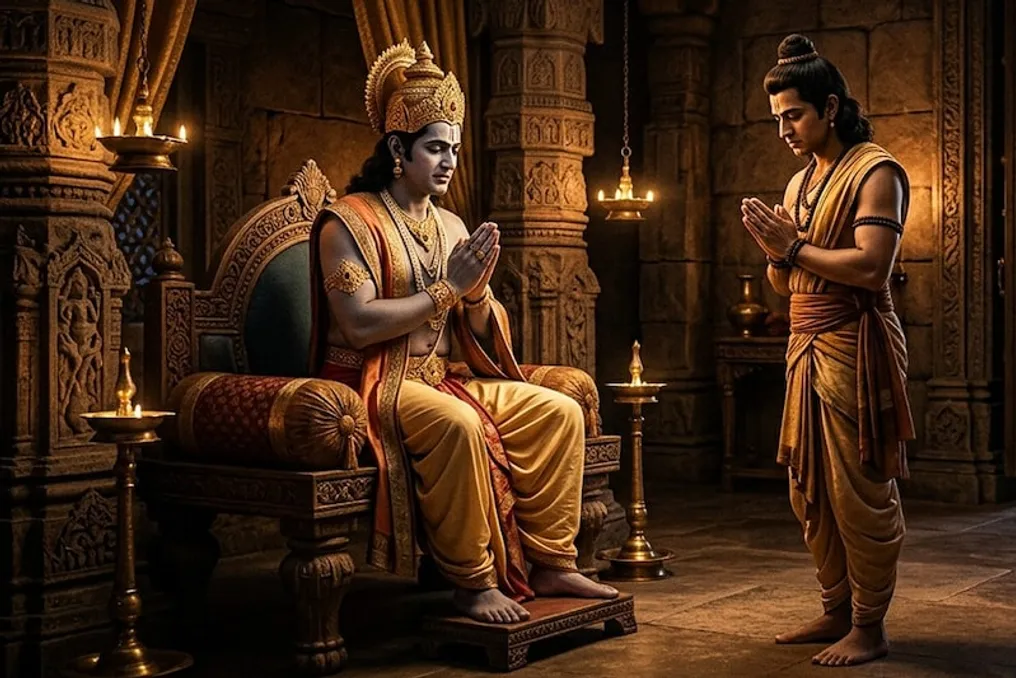
In the epic Ramayana, the relationship between Lord Rama and Lakshmana is considered an example of brotherhood, self-sacrifice, and devotion. Lakshmana left the comfort of the royal palace to accompany his elder brother during the fourteen-year exile. However, one of the well-known stories of the Ramayana describes a situation where Lord Rama had to face the necessity of pronouncing a death sentence on his dear brother. What circumstances forced Rama to make such a harsh decision? This story is connected to a promise made to Yama, the anger of the sage Durvasa, and Lakshmana's sacrifice to save the inhabitants of Ayodhya.

After Mother Sita dissolved into the earth, Lord Rama realized that the purpose of his incarnation on Earth was achieved, and it was time for him to return to Vaikuntha, the abode of Lord Vishnu. According to a common legend, Rama threw his ring into the underworld to distract Hanuman. He instructed Hanuman to find this ring, after which Hanuman went to Patala Lok. During this search, Yama arrived at Lord Rama to have an important private conversation with him.

Yama set a condition before Lord Rama: no one should interfere during their conversation. If anyone violated this rule, they would face the death penalty. Rama agreed to this condition and instructed Lakshmana to guard the entrance. Lord Rama gave his brother clear instructions not to let anyone in until the conversation was over. Lakshmana faithfully performed his duty, unaware that a situation would soon arise where he would have to choose between his brother's order and the defense of Ayodhya.

While the conversation between Lord Rama and Yama was taking place, Maharshi Durvasa arrived. He immediately expressed a desire to meet Rama. Lakshmana informed him that Lord Rama was having an important private discussion, so a meeting was not possible at that moment. Hearing this, Rishi Durvasa became angry and warned that if he was not brought to Rama immediately, he would curse Lakshmana, his family, and all of Ayodhya. The threat from Durvasa, known for his wrath, put Lakshmana in a difficult moral position. If he continued to obstruct, disaster could befall the entire kingdom. On the other hand, informing Rama would mean breaking a promise made to Yama, putting himself at risk of execution.

Lakshmana placed the welfare of the people of Ayodhya above his own fears. He decided that to save the entire kingdom from the sage's curse, he had to reach Lord Rama. He entered during the private conversation and informed Rama about Durvasa's arrival. Rama concluded the conversation with Yama and went to meet the sage. Durvasa asked for food, and Lord Rama hosted a feast for him. Satisfied with the food, the sage left, and the danger hanging over Ayodhya passed. Nevertheless, now Lord Rama faced the task of keeping his promise, as Lakshmana had entered his chambers.

Lord Rama did not want to punish his beloved brother. Lakshmana accompanied him through every difficult situation, from childhood to exile. The thought of parting from such a brother caused Rama immense pain. According to the legend, to resolve this dilemma, Rama consulted his teacher Vasishtha. The Guru explained that refusing a loved one could also be considered a form of death for him. Thus, Rama could renounce Lakshmana to uphold the honor of his promise. Following his teacher's advice, Lord Rama decided not to impose a direct death sentence on Lakshmana, but instead to renounce him.

Lakshmana understood his brother's predicament. He persuaded Rama to keep his promise and maintain the boundaries of Dharma. For him, his brother's honor and keeping a promise were more important than his own life. Lakshmana did not want Lord Rama to backtrack on his word because of him. To save the people of Ayodhya, he had already risked his safety, and now he made a sacrifice to preserve the honor of his brother's promise.

After bidding farewell to Lord Rama, Lakshmana approached the bank of the Saru River. According to common mythological beliefs, he entered the river and sacrificed his life through yoga. The narrative states that at the moment Lakshmana's soul departed, the god Indra appeared and took him to heaven in physical form. Thus ends Lakshmana's life. This sacrifice by Lakshmana demonstrates not only his love for his brother but also his determination to save the people of Ayodhya from calamities.

Popular