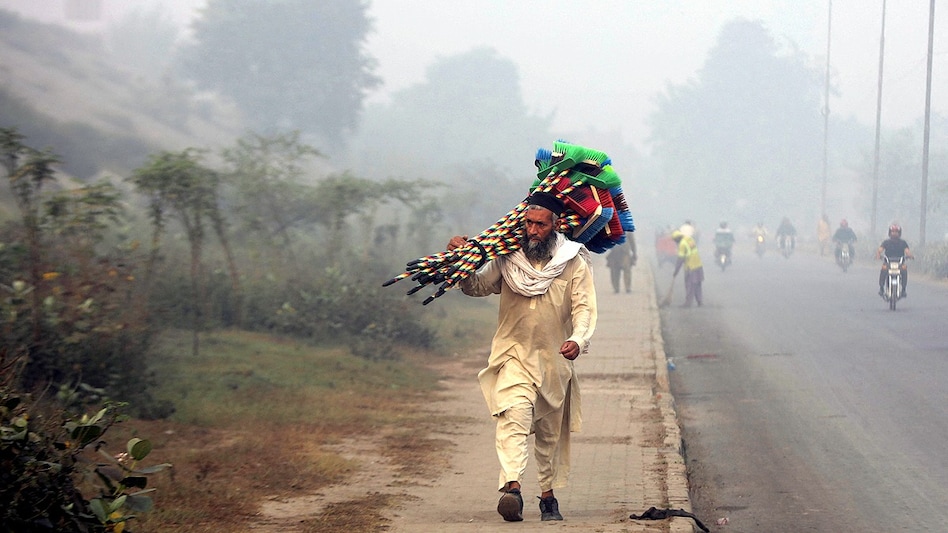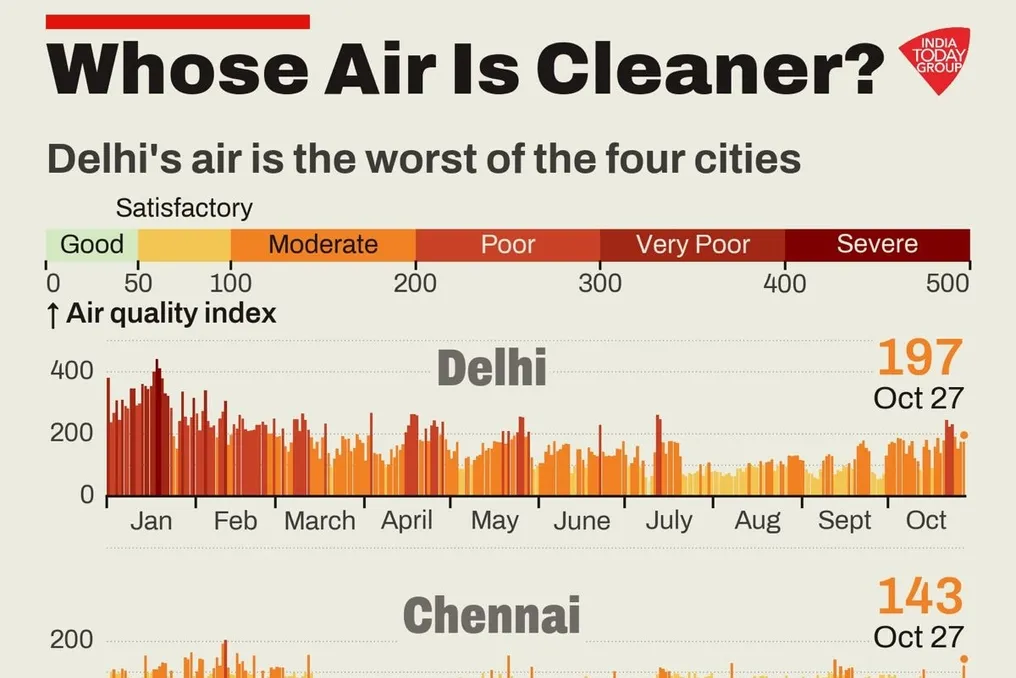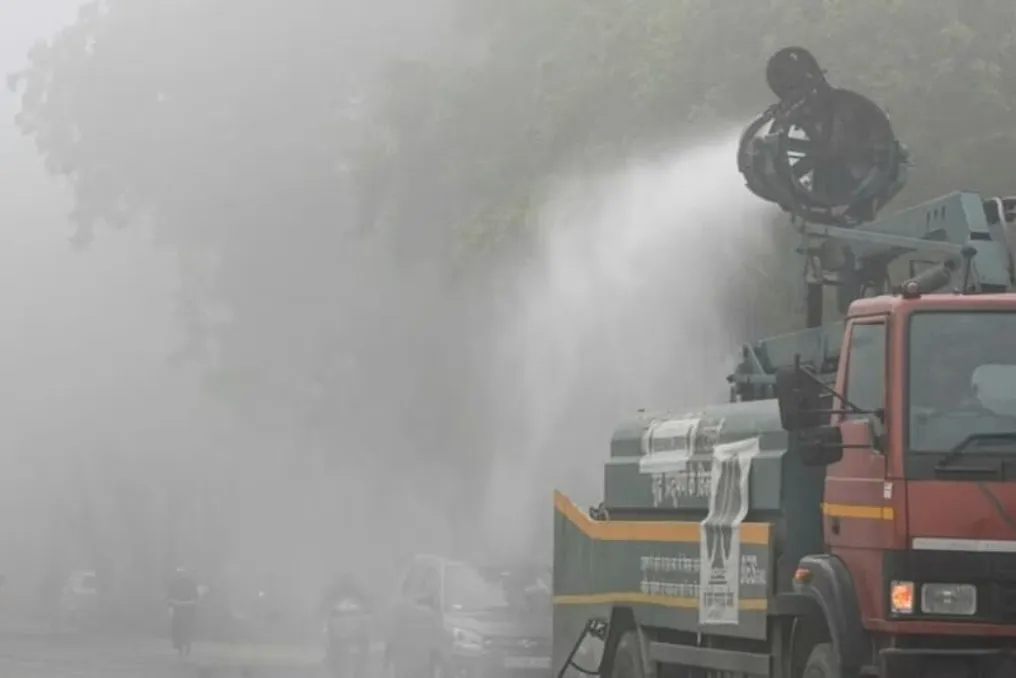
With the onset of winter, the air quality in Delhi has deteriorated, and the pollution level in the capital city has once again reached a serious level. On the morning of November 5, the average Air Quality Index (AQI) in Delhi was 371, which falls into the 'very poor' category. However, the pollution level is not uniform across all districts of Delhi; in some areas, the air has become even more toxic.
Among the most polluted districts are Jahangirpuri and Punjabi Bagh.
According to data from the Central Pollution Control Board (CPCB), on the morning of November 5, the AQI in Jahangirpuri was recorded at 444, making it the most polluted district in Delhi. The main reason for the high pollution level in this area was the presence of PM2.5 particles. Similarly, in Punjabi Bagh, the AQI was 437, where PM2.5 particles were also the main source of pollution. The air quality in these two areas was significantly worse than the average for Delhi.
The third most significant district in terms of pollution level was the vicinity of IIT Delhi, where the AQI reached 430, with PM10 particles being the primary cause of pollution. Next is DTU, where the morning AQI was 428, with PM2.5 particles also dominating here. The fifth most polluted area identified was Narela, which registered an AQI of 426. Thus, in these five districts of Delhi, the pollution level exceeded the mark of 400.
The situation in other parts of the city is also a cause for concern. According to CPCB, near India Gate, the AQI was 399 on Thursday morning, which also falls into the 'very poor' category. Meanwhile, in Anand Vihar, the AQI was 296, corresponding to the 'poor' category.
In addition to the AQI, the level of pollutant particles is a serious concern. PM2.5 particles are extremely small and can penetrate deep into the body through breathing. PM10 particles are larger and can also cause respiratory problems when their concentration increases.
According to meteorological data at 6:45 AM, the temperature in Delhi was 23 degrees Celsius, and the wind speed was only 1 kilometer per hour. The weak wind hinders the dispersion of pollutants, allowing them to accumulate in adjacent areas.
The rising level of pollution in Delhi has once again become a subject of concern, especially in areas where the AQI exceeded 400. CPCB data indicates that residents of different parts of the capital are facing the consequences of pollution to varying degrees.