About four decades ago, the series 'Ramayana' by Ramanan Saga on Doordarshan channel once silenced the streets. Today, this mythological saga returns to the big screen as the biggest gamble of Indian cinema. The project boasts a huge budget, features a star cast including Ranbir Kapoor and Yash, and aims for a global audience, making the release of 'Ramayana' not just a film premiere, but a serious test for Indian cinema.
Record pre-sales before the film's release indicated audience anticipation, yet the process was accompanied by several debates. Questions arose regarding the music, and discussions also took place about visual effects (VFX). Amidst all this buzz, expectations, and high stakes, the main question is whether 'Ramayana' will succeed only at the box office or set a new benchmark for Indian cinema.
'Ramayana' was not created as an ordinary historical film where the story is told through lavish sets and battle scenes. The goal was to embody the entire world of this Indian epic on a large cinematic canvas. For this, an international technical team was engaged. The responsibility for visual effects was taken up by the reputable company DNEG, known for its work on major Hollywood projects. The film is being released in premium formats, including IMAX, so that viewers can experience a grand and immersive cinematic experience.
The planners are not limited to attracting only the Indian audience; they aim to make 'Ramayana' a global cinematic product representing the fusion of Indian mythology and modern filmmaking technology for viewers worldwide.
Despite such grand ambitions, expectations and audience questions remain high, especially considering that the plot is based on the 'Ramayana' and is connected to the religious beliefs of millions of people. The musical component generated the most resonance. It was expected that with the participation of masters like A.R. Rahman and Hans Zimmer, the music would give Indian mythology a unique character, blending it with international scale.
However, after the track 'Mangal Rang' was released, debates began. Some listeners noted the influence of Sufi and Qawwali music. Questions arose about how appropriate such music was for episodes like Rama's return to Ayodhya. Furthermore, some compared the melodies to early compositions by A.R. Rahman. Thus, the music, which was supposed to add grandeur to the film, became a subject of discussion even before its release.
Following the discussion about the music, audience opinions were divided regarding the visual effects (VFX). When the first shots and trailer appeared, some praised the majestic visuals, but many viewers felt that the landscapes, skies, and other digital scenes looked overly artificial. In social media, these shots began to be compared to the film 'Adipurush'. This comparison was significant because 'Adipurush' was also positioned as a grand mythological film with a large budget and modern technology, but viewers expressed sharp dissatisfaction with its VFX and character depiction. Consequently, 'Ramayana' faced the task not just of creating large and impressive scenes, but of making them believable.
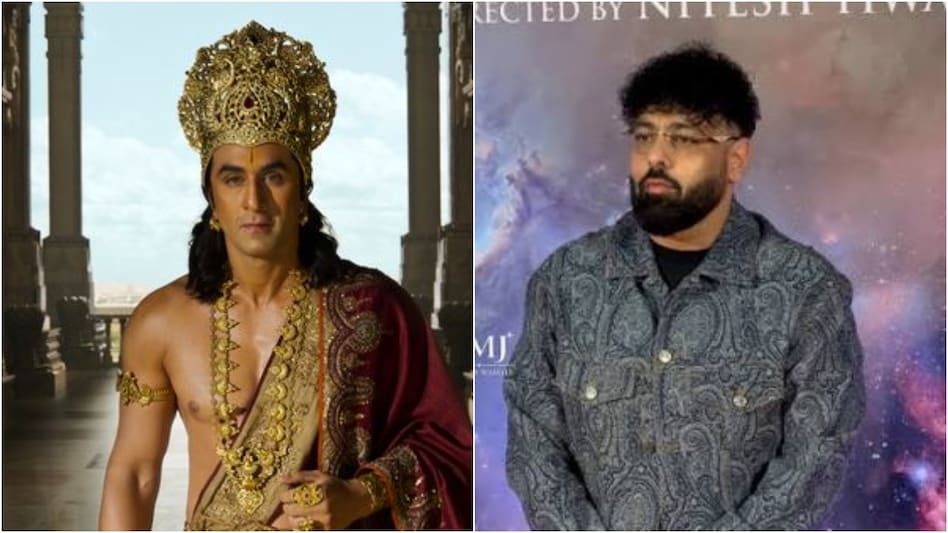
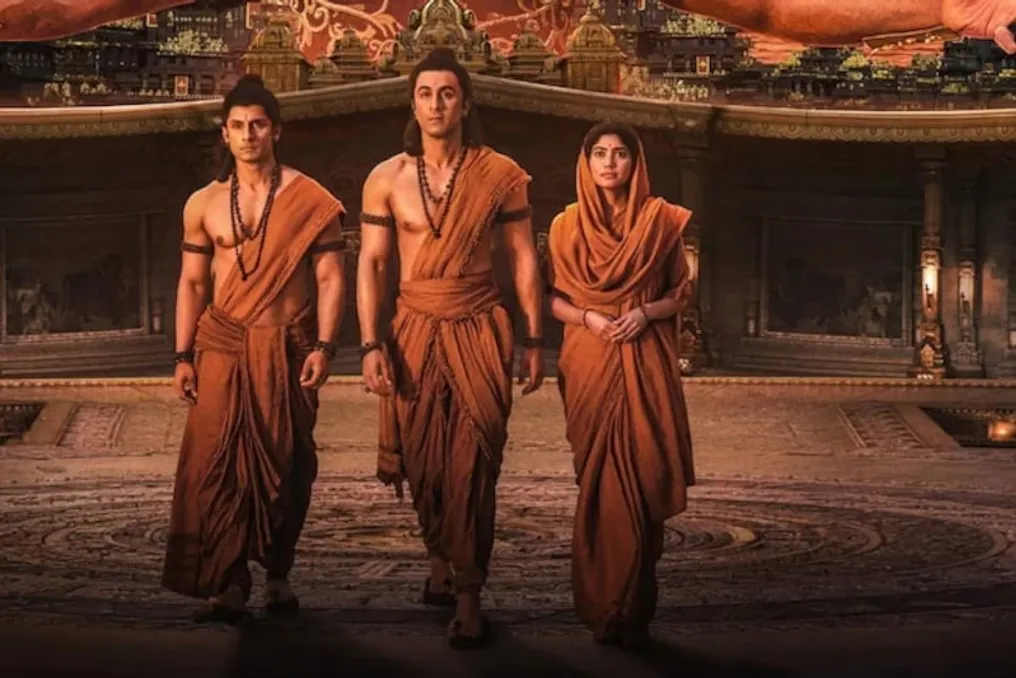
The casting choice attracted significant attention. Viewers eagerly awaited seeing Ranbir Kapoor in the role of Rama. Ranbir's career is rich with roles depicting love, rebellion, anxiety, mistakes, and emotional complexity. Therefore, his portrayal of Maryada Purushottam Rama represents a completely new phase in his acting journey. His task is not only to appear in the guise of Rama but also to convey the nobility, self-control, and inner strength for which this character is known.
This is why Ranbir's casting sparked debate from the beginning. Questions were raised linking his past roles, personal life, and public image to the role of Rama. Some opposed this choice, while others considered it a huge challenge and a turning point in the actor's career. For Ranbir, this is not just another film; he plays a character who is an ideal of virtue in the minds of the Indian people. His success will be measured not only by box office collection but also by whether the audience accepts him in the role of Rama.
It is worth noting that many memorable roles in Ranbir's career were filled with weaknesses, anxiety, rebellion, and emotional turmoil. Now he plays the role of Maryada Purushottam Rama. This transition from rock star to Rama is simultaneously the biggest paradox and the greatest opportunity in his acting career.
On the other hand, the selection of Sai Pallavi as Sita also sparked discussions on social media. Comments touched upon her dusky complexion, makeup, hairstyle, and even her Indian accent. Some questioned why a South Indian actress was chosen for the role of Sita. However, amidst this criticism remained an important question about what...