China has disclosed new details regarding its scheme to execute a crewed mission to the Moon before 2030. This plan involves launching two rockets, meeting two spacecraft in lunar orbit, and sending a team of three astronauts. Of this group, two individuals will descend to the surface of the natural satellite to conduct scientific investigations.
The planning details were presented by Wang Xiang, who serves as the deputy chief designer of the Chinese crewed space program and is responsible for the lunar exploration project. This presentation took place during the 7th Symposium on Crewed Spaceflights, held in Beijing, China, from October 31 to November 1, 2026.
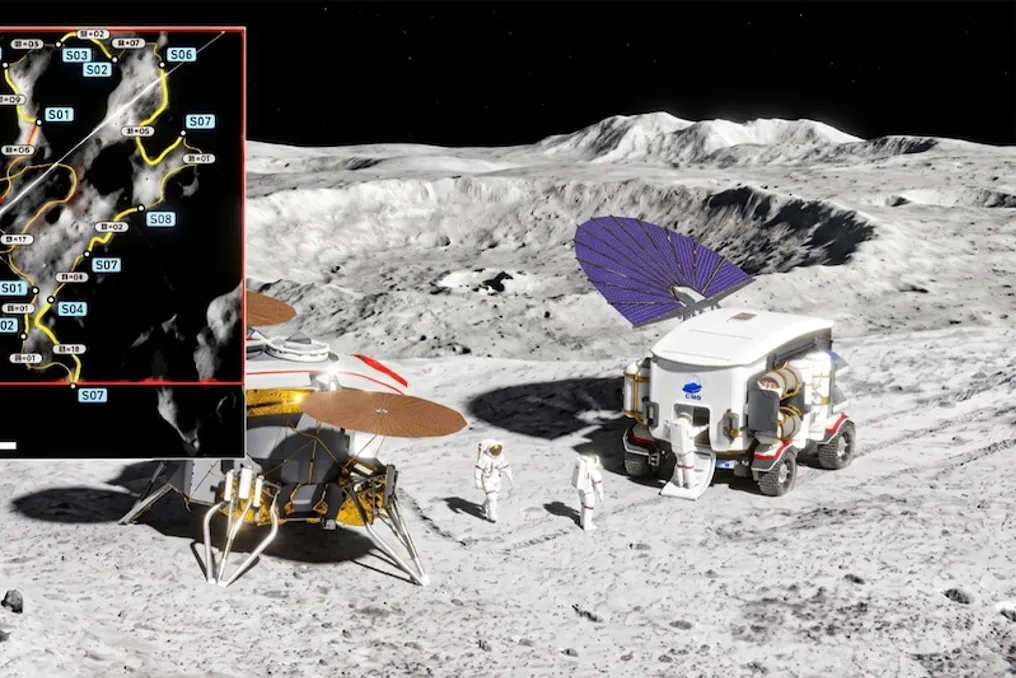
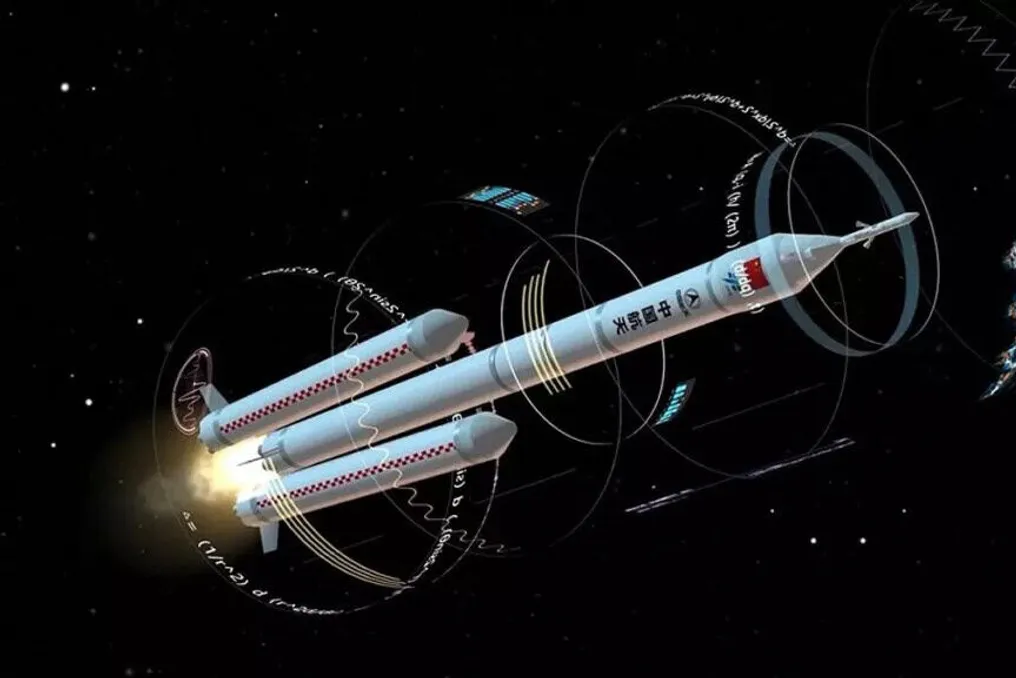
The mission structure calls for the use of two Long March 10 rockets. One of these rockets will be responsible for transporting the crewed spacecraft Mengzhou, while the second will carry the lunar landing module named Lanyue. After both reach lunar orbit, the vehicles must meet and dock. Subsequently, the astronauts will transfer from Mengzhou to Lanyue, which will perform the landing on the lunar surface.
The decision to use two separate launches is linked to the capabilities of Chinese rockets. Instead of concentrating all mission elements into a single vehicle, the country opted to send the crewed spacecraft and the landing module separately. This approach is called lunar orbit rendezvous, requiring an approach and docking maneuver after the equipment arrives around the Moon.
Once the docking operation is complete, two of the three crew members will enter the Lanyue module to begin the descent. The third astronaut will remain in Mengzhou, which will serve as the support vehicle and for the return to Earth. This configuration resembles the architecture used by NASA's Apollo program in the 1960s and 1970s, when the lunar module also separated from the main spacecraft to go to the surface and return to orbit for rendezvous.
Three pieces of equipment are crucial for China's attempt to reach the Moon. The name Lanyue means something close to 'embracing the Moon,' and the design of this module was introduced in 2023, officially receiving this name the following year.
Wang Xiang clarified that the crewed mission will not occur without a series of prior checks, following a gradual progression: first, validating the equipment in near-Earth flights, and only then proceeding to operations in the lunar environment. The established timeline covers several phases, although these dates are merely a disclosed plan and not guarantees of execution.
Some preparations have already been made by China, including emergency escape tests of the Mengzhou spacecraft, simulations of the Lanyue module's landing and takeoff, and a low-altitude test of the Long March 10 rocket. Furthermore, the strategy includes using the Tiangong space station, located in low Earth orbit, to test procedures and technologies before they are sent to the Moon.
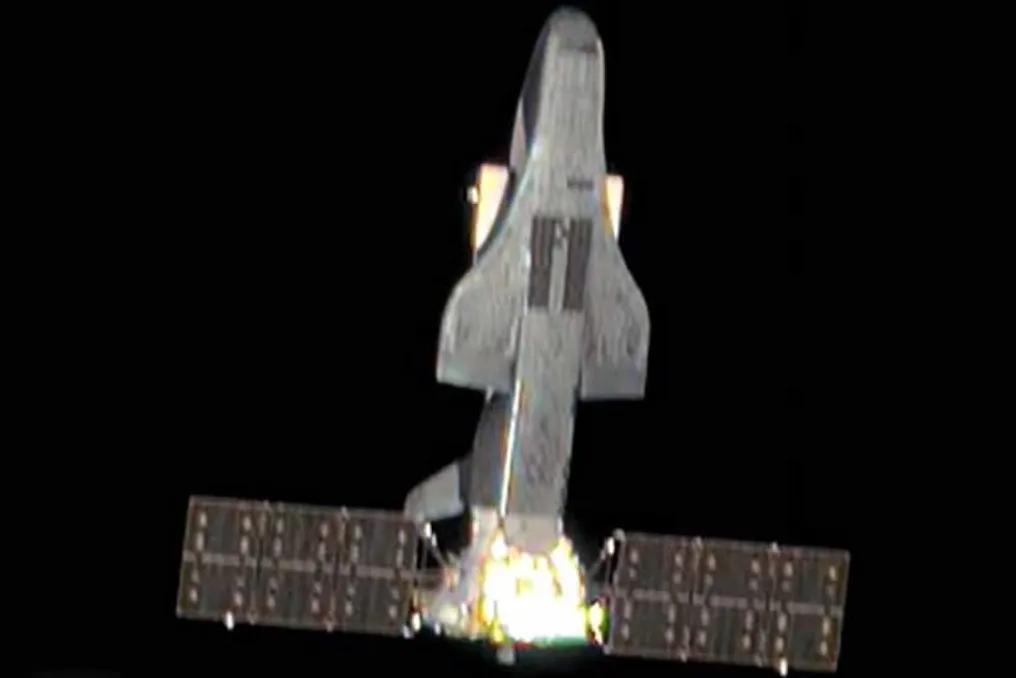
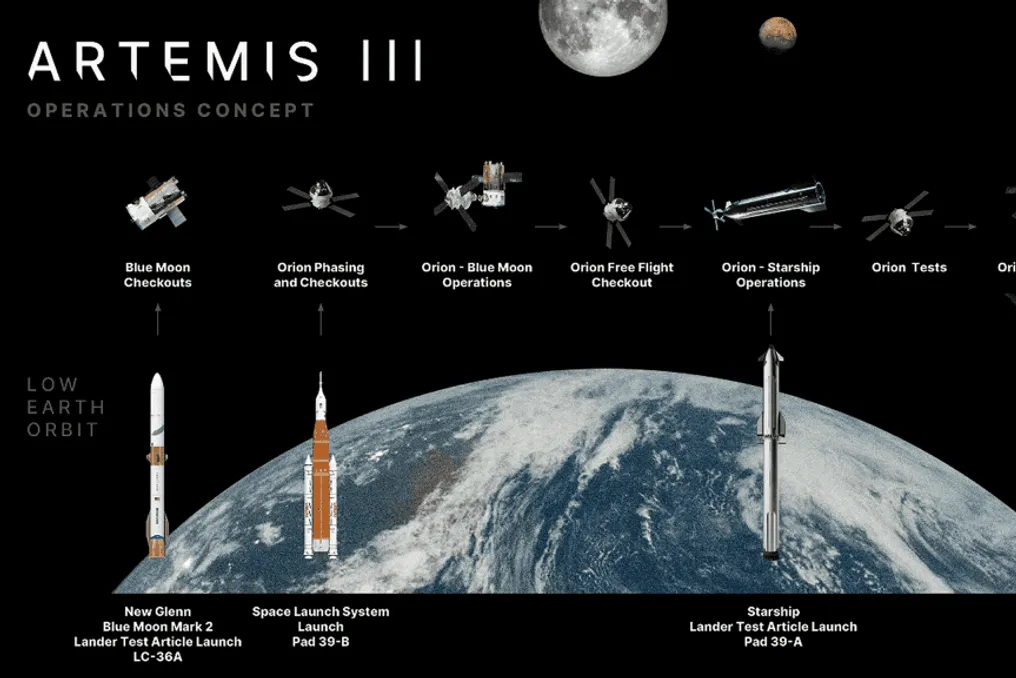
This plan positions China in a technological and strategic competition with the United States, which is also seeking to return astronauts to the lunar surface. While the Chinese goal is to reach the satellite before 2030, NASA uses a distinct architecture based on the Orion spacecraft and landing modules developed by private companies.
The rivalry goes beyond merely replicating the Apollo missions; both countries have plans to establish a more sustainable human presence in the lunar region. Within the Chinese scope, the long-term project includes building the Lunar International Research Station, an initiative that envisions collaboration with international partners. The construction of this station is planned to begin in 2031, utilizing the heavy-lift Long March 9 rocket in the future.
Currently, the priority is proving the integrated functionality of all components of the crewed mission. Among the most complex stages of the project are the spacecraft rendezvous, the lunar module descent, and the astronauts' return to orbit.