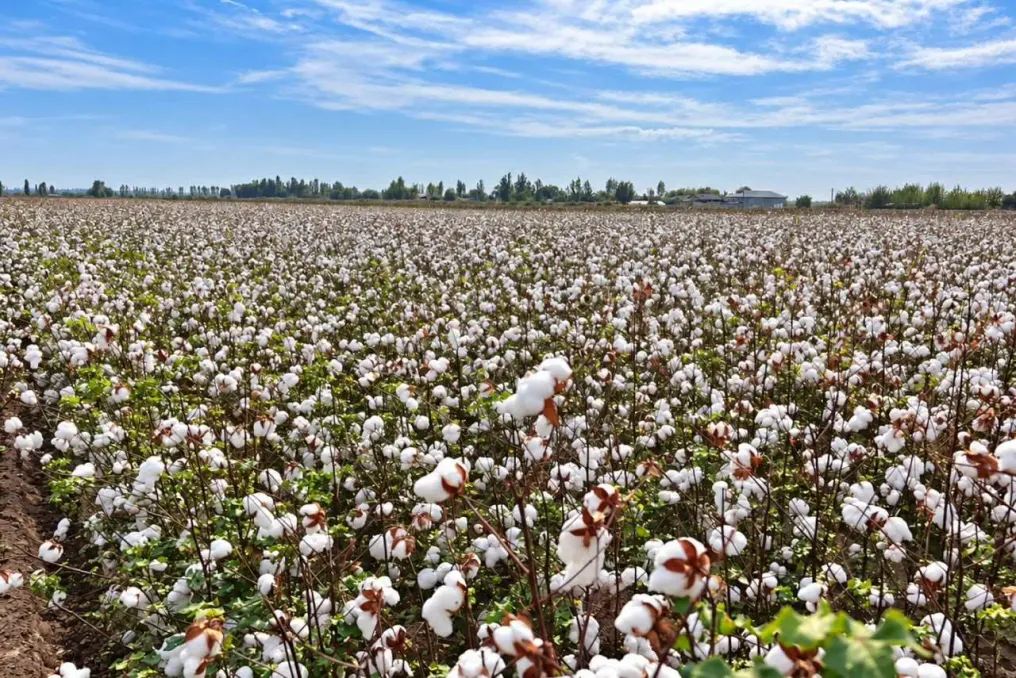
Uzbekistan harvested five million tons of cotton for the first time since 1991
Read more
UzDaily
uzdaily.uz

Uzbekistan harvested five million tons of cotton for the first time since 1991

Uzbekistan achieved a record cotton harvest, collecting five million tons, which is the first such figure since 1991. This result strengthens the raw material base of the country's textile sector.

The increase in cotton collection volume opens up new opportunities for local enterprises, allowing them to expand the production of yarn, fabrics, and finished textile products. Furthermore, it enhances the industry's potential for processing domestic raw materials.

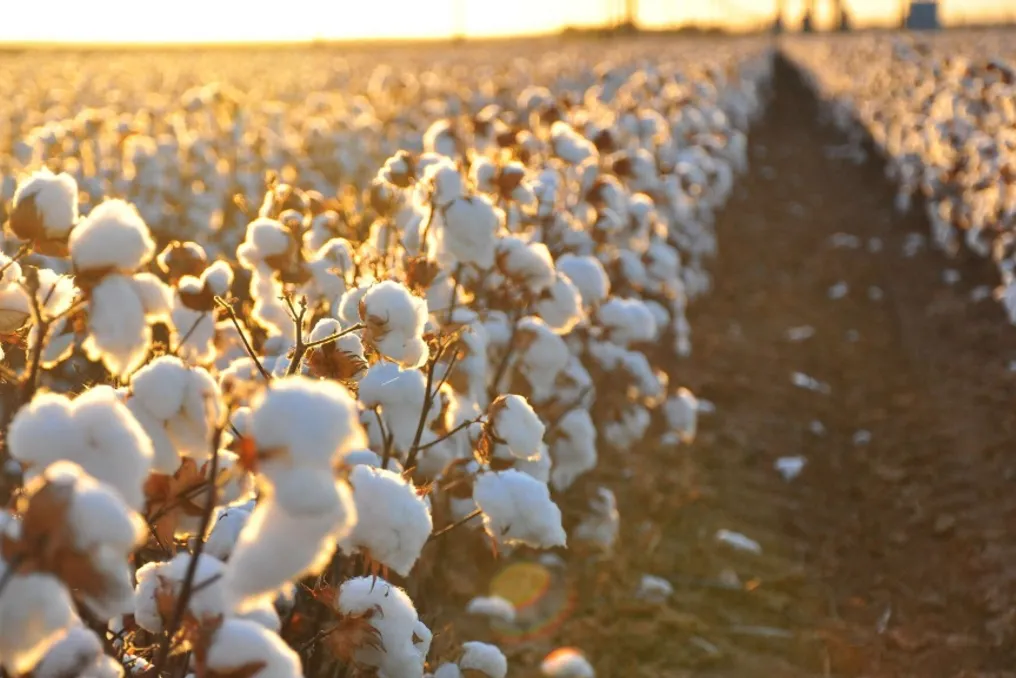
Cotton harvesting continues in some regions of Uzbekistan. Farmers are currently collecting seed cotton, which will be used to prepare for next year's planting campaign. For high-quality planting material, the cotton plants must reach full maturity naturally.

In parallel, Uzbekistan is developing and testing new cotton varieties designed for cultivation in desert conditions, high temperatures, as well as on saline and sandy soils. Such research is being conducted, in particular, in the Alat district of Bukhara region. The goal of this work is to expand the geographical area of cotton cultivation and ensure stable yields under difficult natural and climatic conditions.
Similar stories

Uzbekistan farmers exceeded the planned cotton harvest target
Read more
podrobno.uz

Uzbekistan farmers exceeded the planned cotton harvest target

In Uzbekistan, 4.63 million tons of cotton were harvested, allowing the established plan to be met at 103%. This information was provided by the Ministry of Agriculture as of October 22, 2026.

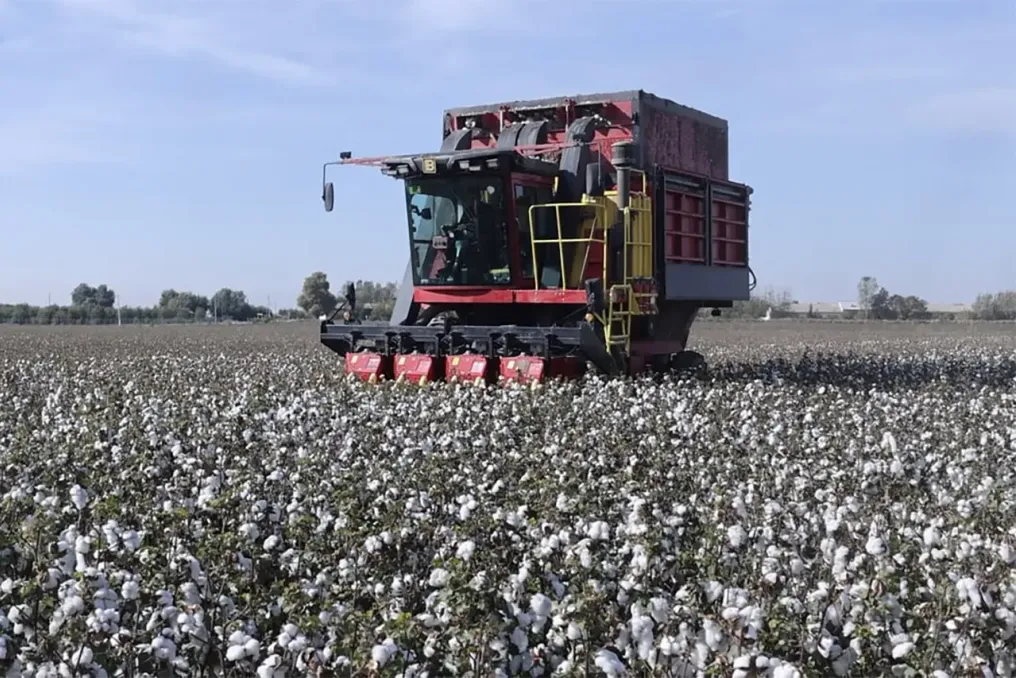
A significant portion of the harvest was collected using mechanized methods. The use of nearly three thousand modern cotton harvesting machines ensured the collection of 3,515,597 tons. The average mechanization level across the country reached 76%, although in some regions this figure was 98.5%.

Specifically, in the Jizzakh region, mechanized harvesting reached 98.5%, while in the Syrdarya region it was 94.2%, and in the Tashkent region—81.2%. The harvesting campaign continues, and the initial collection took place on an area exceeding 49 thousand hectares. The main focus is on minimizing losses and ensuring timely harvesting.

The Ministry emphasized that the achieved result is due to the application of advanced agricultural technologies, scientific developments, and experience. This was supported by practical seminars held in cotton fields across all regions, as well as recommendations from scientists. The combination of machinery and scientific solutions contributes to increasing productivity and efficient resource utilization.

Previously, as of October 12, 3.4 million tons of cotton had been harvested in Uzbekistan against a planned volume of 4.5 million tons. At that time, 2.6 million tons of this volume were collected by machinery, and the remainder was collected manually.

Uzbekistan harvested 4.63 million tons of cotton, exceeding the planned target
Read more
uzdaily.uz

Uzbekistan harvested 4.63 million tons of cotton, exceeding the planned target

The Ministry of Agriculture reported that as of October 22, 2026, Uzbekistan has harvested 4.63 million tons of cotton, reaching 103% of the planned volume.

Of the total harvest of 3,515,597 tons, it was collected using nearly 3,000 modern cotton harvesting combines.

In the country, the average level of mechanization in cotton harvesting reached 76%, while regional indicators varied from 61% to 98.5%.

The highest percentage of mechanization was recorded in the Jizzakh region, where machinery harvested 98.5% of the cotton crop. In the Syrdarya region, this figure was 94.2%, and in the Tashkent region—81.2%.

Cotton harvesting continues across the country; initial collection is taking place over an area exceeding 49,000 hectares. The Ministry emphasized that special attention is being paid to preventing crop losses.

The Ministry attributes the positive results of the season to the implementation of priorities set by the president in the field of agricultural development, the introduction of modern agrarian technologies, and the application of scientific achievements.

Furthermore, throughout the year, practical seminars were held in all regions where cotton is grown, and scientific recommendations and best practices developed by cotton researchers were integrated into production processes.

Popular