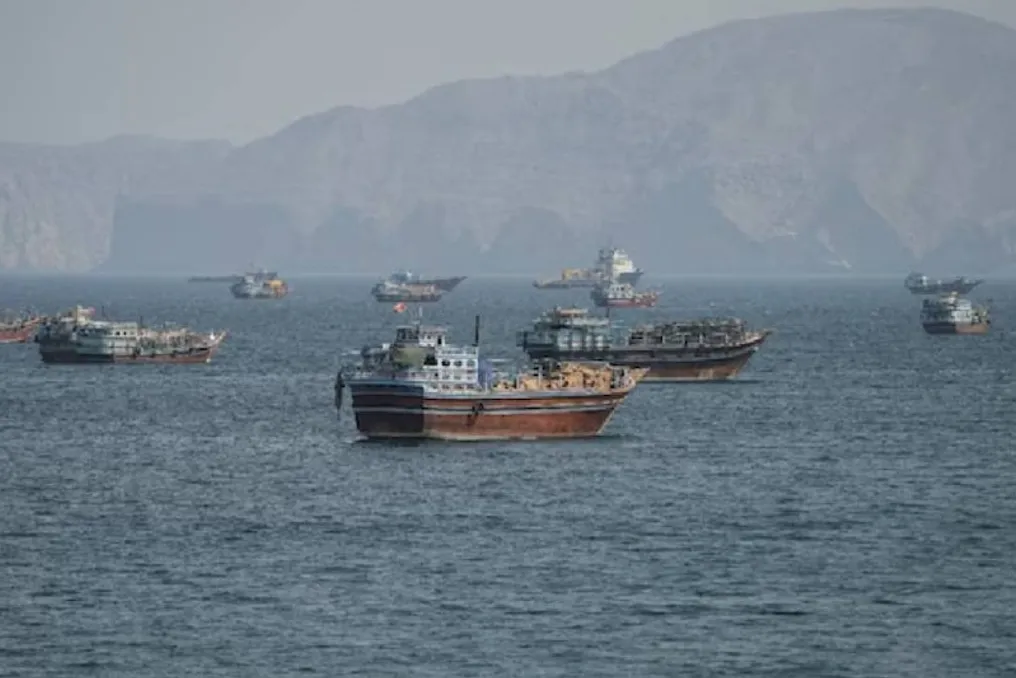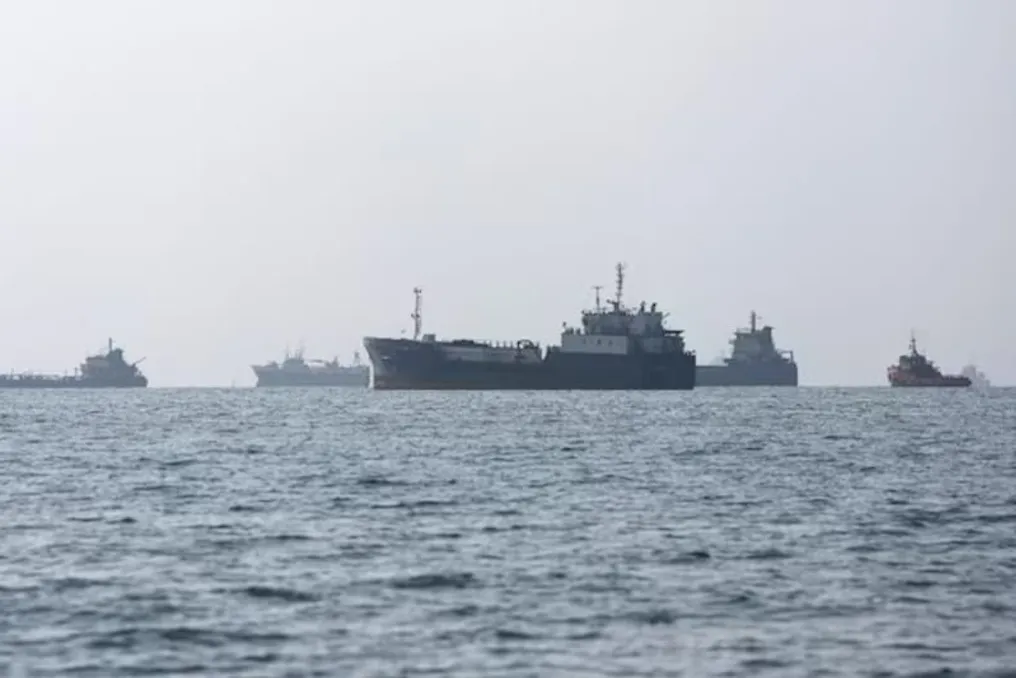
The American government has taken action regarding assistance to Iranian tankers by imposing sanctions on several companies linked to India and Turkey. It was revealed that some companies from India and Turkey were involved in concealing the origin of Iranian oil, presenting it as cargo from other countries.
This operation also affected a businessman from Chandigarh, his wife, and two other Indian citizens. According to the US, these individuals helped transport Iranian oil under false names using forged documents. A scheme related to concealing vessel identification data and registration was uncovered.
The US Department of the Treasury announced these measures on Wednesday. Restrictions were placed on nine entities associated with India, as well as one Turkish company. The Turkish firm was accused of providing ground services to six prohibited Iranian airlines.
The focus of the US actions was the Chandigarh businessman Sunil Kumar Sharma and his wife Jaspreet Pritam Shahid. According to the US Treasury, they engaged in fraudulent maritime registrations since at least 2014. They are accused of creating websites and structures claiming to function as maritime departments of various countries, despite lacking permission from those governments.
Through these websites, services such as ship registration, crew training, certificate issuance, and vessel inspections were allegedly provided. The American side states that Sharma's network claimed to register ships in countries such as Aruba, Guyana, Mali, Mozambique, Malawi, Saint Martin, and Timor-Leste.
Furthermore, restrictions were placed on two other Indian citizens—Ashwani Kumar Diman and Ishwinder Singh—who were directors of companies associated with the Sharma couple. Essentially, every vessel must fly the flag of the country that dictates its operating rules, allowing maritime agencies to monitor it with authentic registration. The US accuses Sharma and his wife of abusing this system by providing fake registrations to ships carrying Iranian oil in countries that have not approved this.
Meanwhile, the Turkish company Fugo Ground Services Inc. is accused of providing services to six prohibited Iranian airlines. These include Iran Air Tour, Saha Airlines, Sepahran Airlines, Varesh Airlines, Taban Airlines, and Ata Airlines. The companies allege the provision of ground handling, meaning necessary services while the aircraft is on the ground.
Following the implementation of these measures, the assets and financial interests of the individuals and companies under jurisdiction will be frozen. American citizens and companies generally cannot conduct business with them, which requires special permission from the US Treasury. The US also warned that non-American companies and individuals could be subject to sanctions if they are found to be assisting in circumventing the restrictions. This operation is part of President Donald Trump's program 'Operation Economic Outcast,' aimed at curbing Iran's oil revenues and pressuring its economic power.
US Treasury Secretary Scott Barnett stated that those who assist Iran may face actions on land, sea, or air.