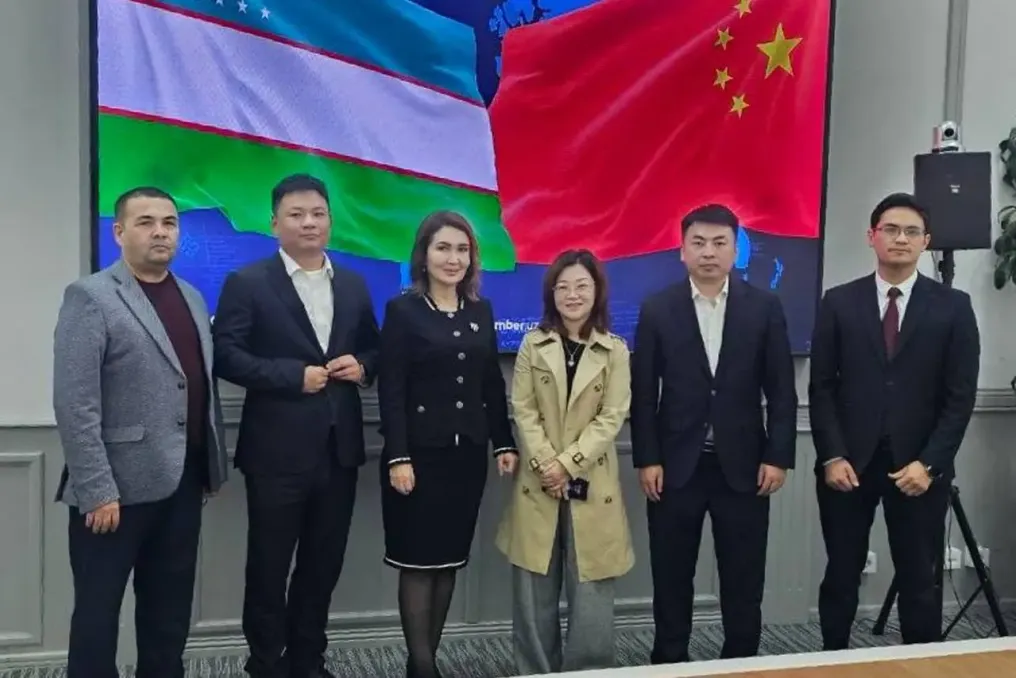
Uzbekistan is expanding cooperation with China with the aim of reducing poverty and increasing household incomes, relying on Chinese experience to develop social and agricultural programs. This was reported by Marat Jurayev, First Deputy Minister of Employment and Poverty Reduction, in an interview with the Xinhua News Agency.
According to Jurayev, the country is implementing a number of measures to support low-income families. At the beginning of the reforms, the poverty rate in Uzbekistan was about 35%, but since then it has significantly decreased, and a large part of the population has moved out of poverty.
The central initiative is the 'From Poverty to Prosperity' program, aimed at increasing the income of vulnerable households. At the local level, the 'Mahalla Seven' system provides individual assistance to families based on their specific circumstances.
Personalized plans cover seven areas: social services, healthcare, education, employment, interaction with state bodies, improving housing conditions, and developing mahalla infrastructure.
Based on Chinese experience, Uzbekistan has developed about 21 pilot projects, the implementation of which is planned for 2025. Chinese experts participated in the preparation of these projects, and cooperation is being conducted with institutions such as the Ministry of Agriculture of China.
The initiatives include creating mahallas specialized in tourism, as well as introducing the 'One Mahalla—One Product' approach for farms and the 'One Land Plot—One Product' principle for lands leased by dehqan farms.
Jurayev noted that agricultural specialization will allow for more efficient use of land resources, improve the organization of farming work, simplify harvesting and marketing, and expand opportunities for agricultural exports.
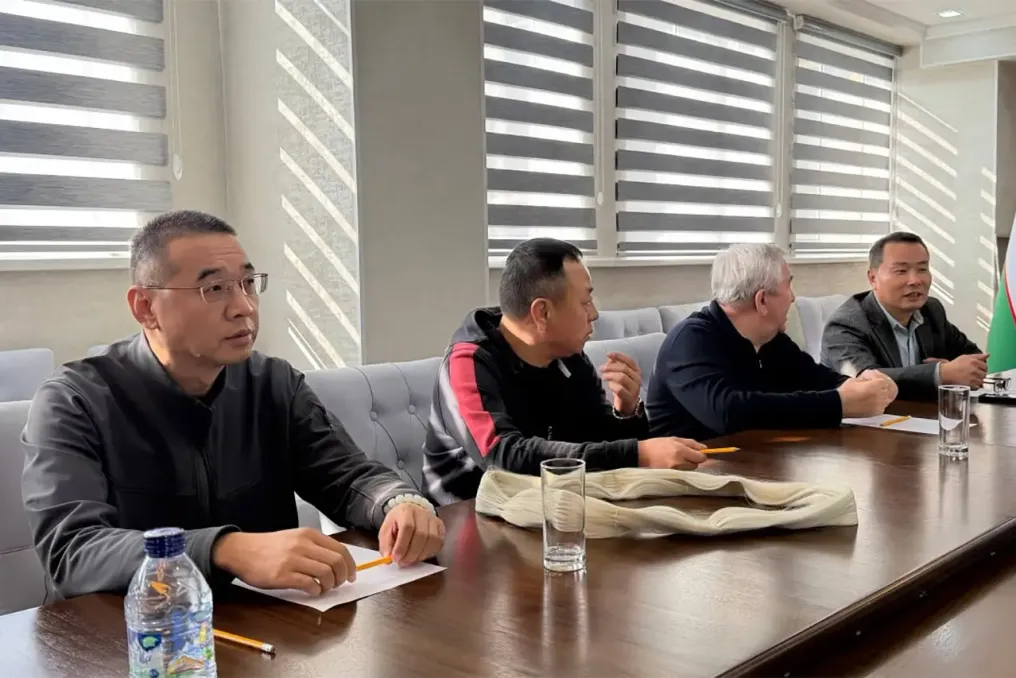
Another area of cooperation is the introduction of the Juncao grass cultivation technology from China. A delegation from an engineering center specializing in this technology is working in Uzbekistan, and the parties are developing a project to introduce Juncao cultivation over a total area of 1000 hectares in six regions.
This technology has attracted interest due to its potential to improve soil conditions in arid regions, ensure high yields, and strengthen the fodder base for animal husbandry. Furthermore, Uzbekistan and China are considering the establishment of a technology transfer center in the Samarkand region. This proposed center will include specialists in agriculture, animal husbandry, and modern agrarian technologies, and can also serve as a demonstration site for Chinese technological solutions.
Cooperation also extends to professional training. Annually, 50 to 60 assistants to regional and district governors are sent to various parts of China to study local poverty reduction practices and improve qualifications.
Jurayev also mentioned that Uzbekistan has proposed jointly developing new methods for combating poverty and preventing the re-impoverishment of families. It is expected that professors from Chinese universities and other experts will participate in this work. China has already provided Uzbekistan with scientific publications analyzing mechanisms for preventing the resurgence of poverty, which are currently under review.