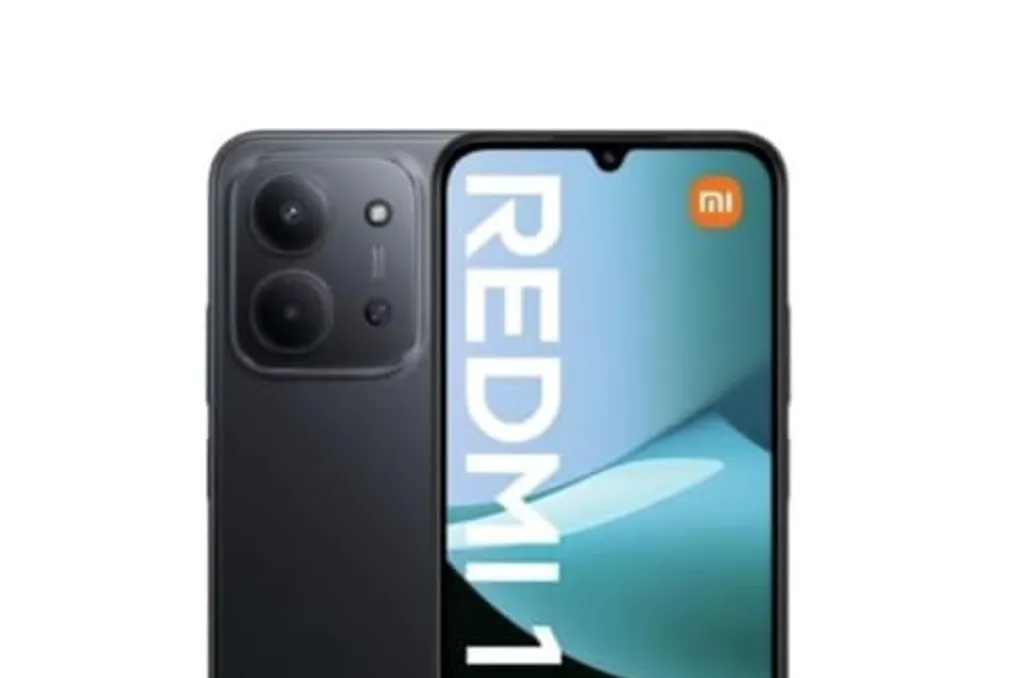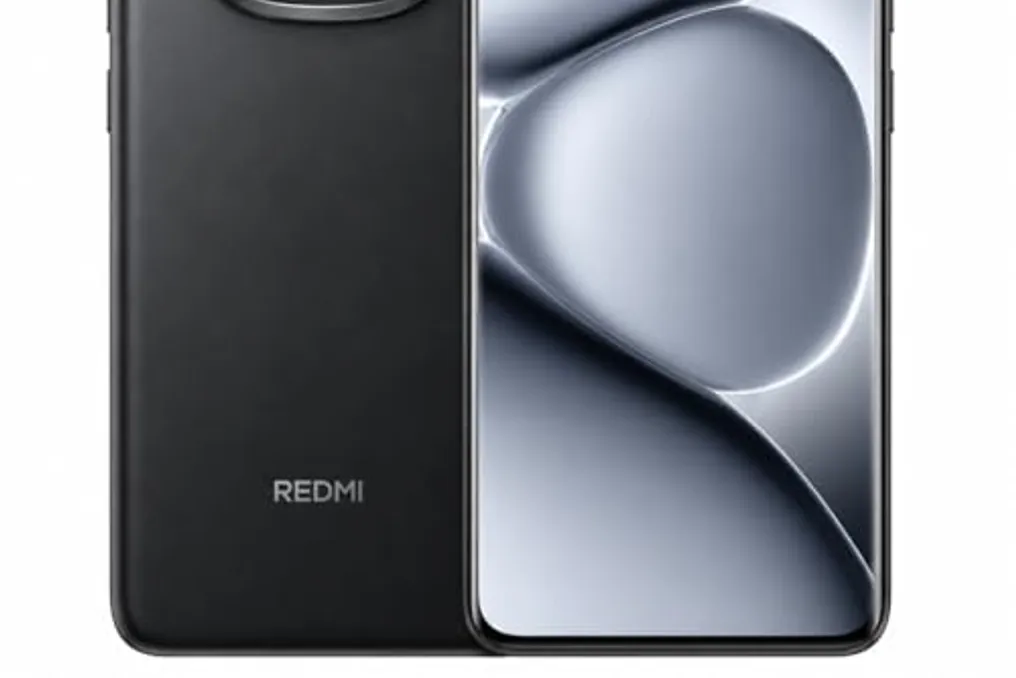
Xiaomi customers began receiving the HyperOS 4 update on their phones and tablets on November 4th. This new version, which was already factory-installed on the Xiaomi 18 family, will be implemented globally in phases during November and December, covering the Xiaomi, Redmi, and Poco brands.
The first batch of devices includes newer models such as the Xiaomi 17T, Poco F8, X8, and Redmi Note 17. A second wave of updates is scheduled for the second half of November, while older generation devices will be covered in the following month.
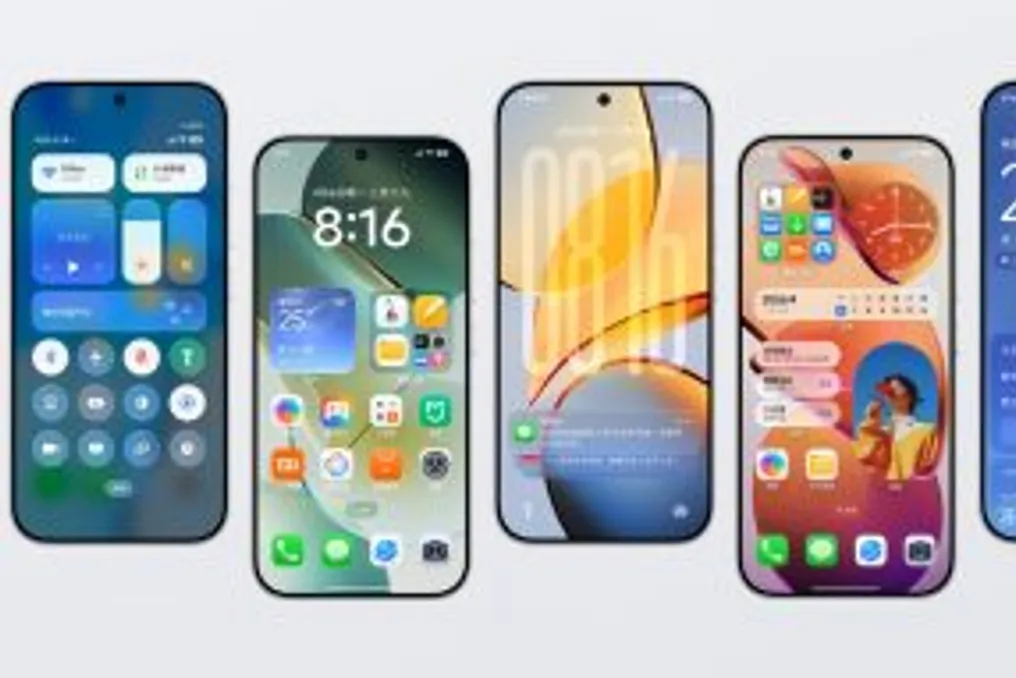
Originally presented on August 13th, HyperOS 4 follows the trend of Chinese manufacturers incorporating translucent elements, similar to those seen in Apple's iOS 26, but it elevates memory management and processing levels.
Xiaomi has structured the update distribution in three distinct stages. Although availability may vary depending on the country, model, and region, the planned release order is as follows. In the tablet segment, the list is more restricted, encompassing models from the Xiaomi Pad, Poco Pad, and Redmi Pad lines.
It is important to note that not all devices listed in the global schedule are officially sold by Xiaomi in Brazil, such as the main Xiaomi 17 line. However, imported units using the official global ROM should receive the update.
One of the central changes introduced by HyperOS 4 lies in its interface, which adopts the Soft Light Glass concept, presenting glass effects on buttons, text fields, and widgets. Furthermore, there has been an increase in customization options, allowing more choices of fonts, sizes, and colors for the lock screen clock, as well as different ways to organize folders and widgets on the home screen.
Another significant improvement is the integration with Apple devices. HyperOS 4 expands the ability to share photos, contacts, files, and links between Xiaomi and iPhone devices.
The company reports that the update also promotes a decrease in RAM and processor consumption, along with an improvement in energy efficiency. The system employs predictive models to determine which data should remain pre-loaded in memory.
Like other leading operating systems, HyperOS prioritizes integration with artificial intelligence. The Super XiaoAI 2.0 assistant features content summarization and information interpretation of what is displayed on the screen, capable of executing task sequences through Specialist Mode on compatible devices.