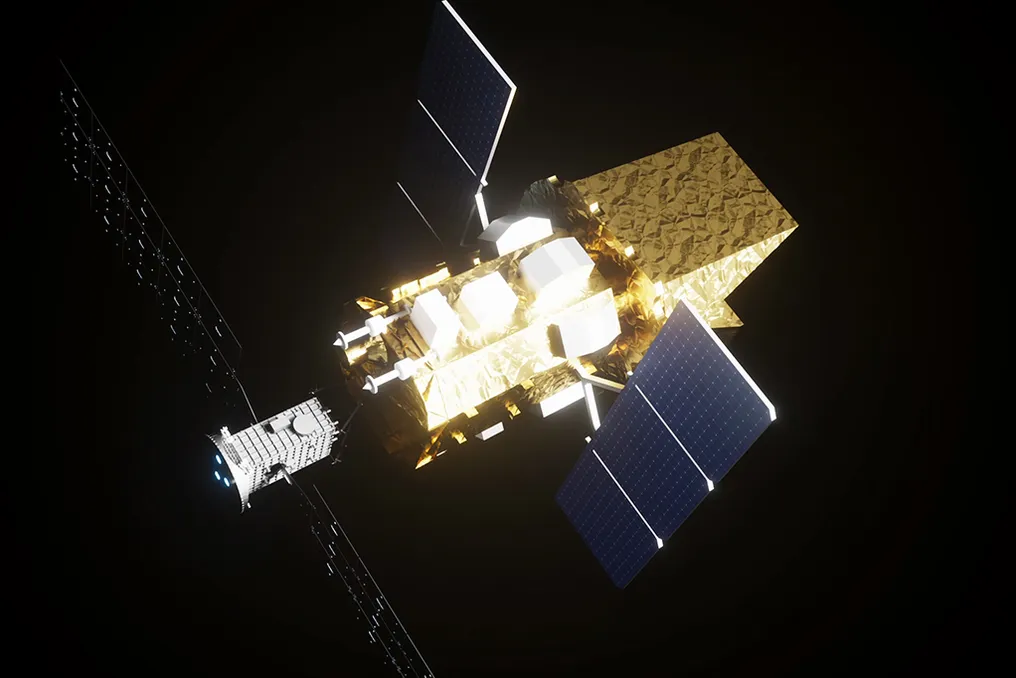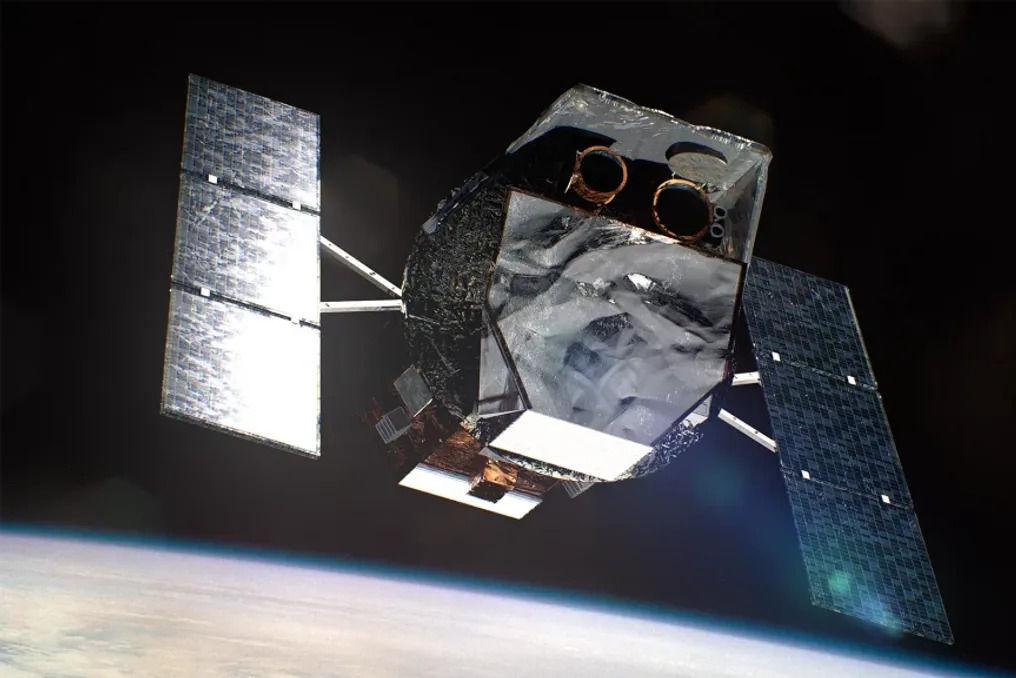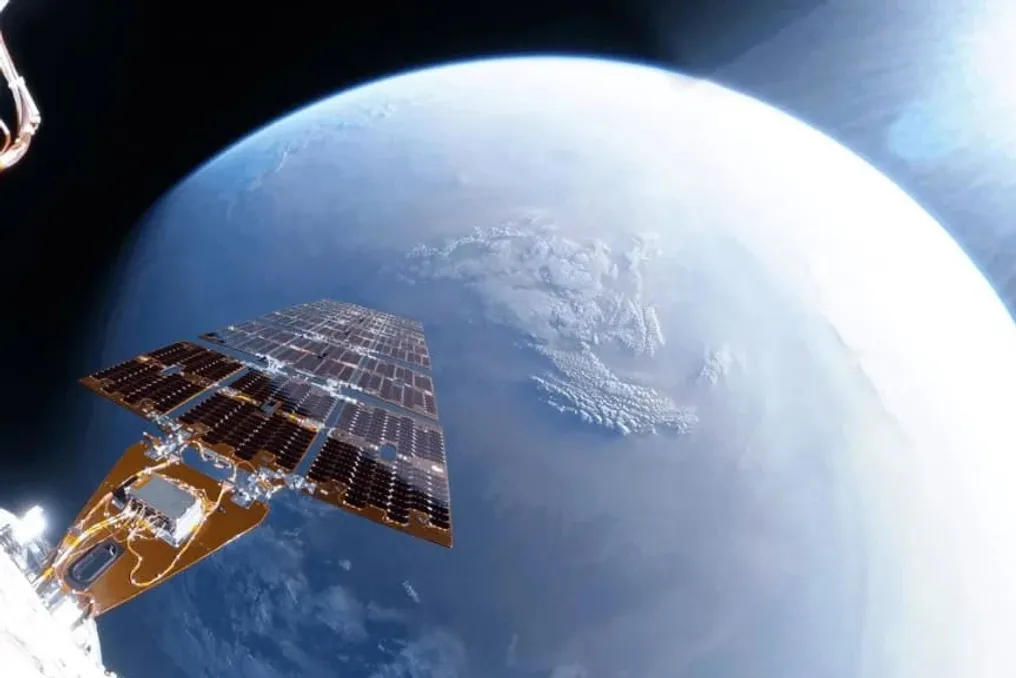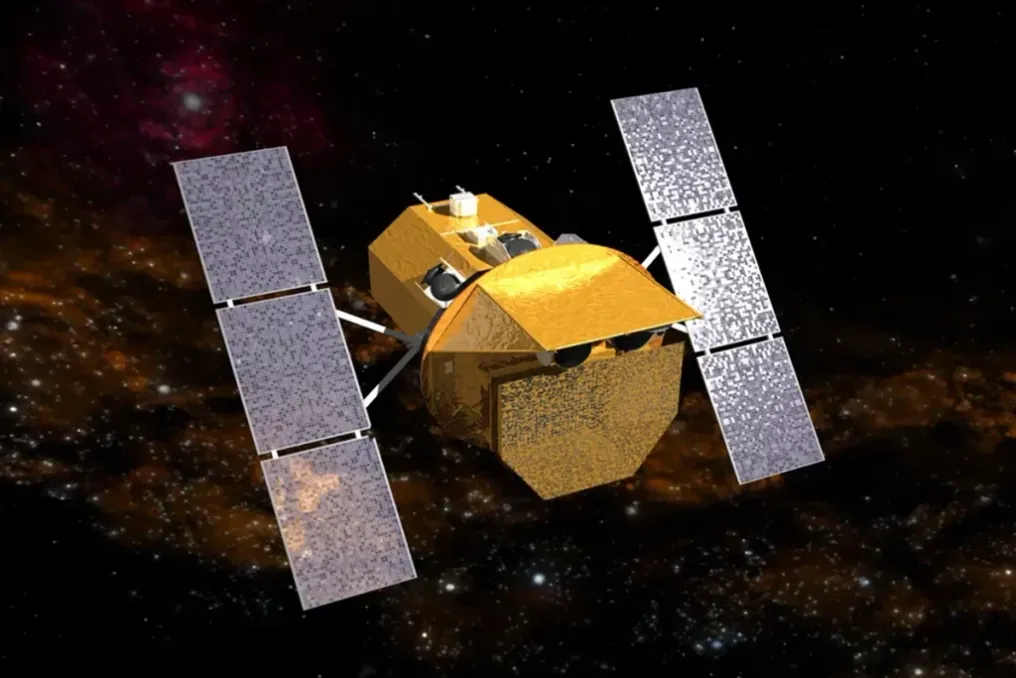
The NASA Swift space telescope concluded its journey of more than twenty years in space this Wednesday (4). The observatory reentered the Earth's atmosphere uncontrollably, three months after a rescue attempt by a private company failed.
Officially named the Neil Gehrels Swift Observatory, the instrument was placed into orbit in November 2004 with the purpose of investigating gamma-ray bursts, considered some of the most powerful events in the Universe.
According to data reported by Space.com, the telescope crossed the atmosphere at 9:39 AM (Brasília time) over northern Sumatra, Indonesia. The equipment weighed approximately 1,450 kg and its dimensions were comparable to a microbus.
Most of the structure was expected to disintegrate during atmospheric passage. Before re-entry, NASA calculated that the probability of any surviving fragment hitting someone on the Earth's surface was only one in 2,100.
The return to Earth could have been postponed. In September 2025, NASA signed a contract worth $30 million (equivalent to about R$165 million) with the American company Katalyst Space to develop a robotic mission aimed at raising Swift's orbit.
The observatory was progressively losing altitude due to atmospheric drag and did not have its own thrusters to counteract this effect.
To execute the rescue, the company created LINK, a robotic spacecraft equipped with three arms and similar in size to a refrigerator. This equipment was launched on July 3, 2026, aiming to reach Swift in August.
However, the operation did not proceed as planned. LINK faced issues with its propulsion system and the reaction wheels responsible for maintaining its spatial orientation, which made meeting the telescope impossible. The rescue spacecraft itself ended up returning to Earth on September 25.
Despite the failure of the rescue mission, NASA assessed that the initiative provided valuable knowledge for future satellite maintenance and life extension operations.
The end of the Swift mission is not an isolated event. A 2025 report cited by Space.com indicates that, on average, at least three large objects—whether decommissioned satellites or rocket parts—reenter the Earth's atmosphere daily.
This number is projected to increase in the coming years as humanity increases the number of satellites in orbit, especially through mega-constellations. Thus, the end of the Swift mission also highlights a growing challenge for space exploration: managing the ever-increasing amount of orbital equipment and planning the fate of these structures when they cease to operate.