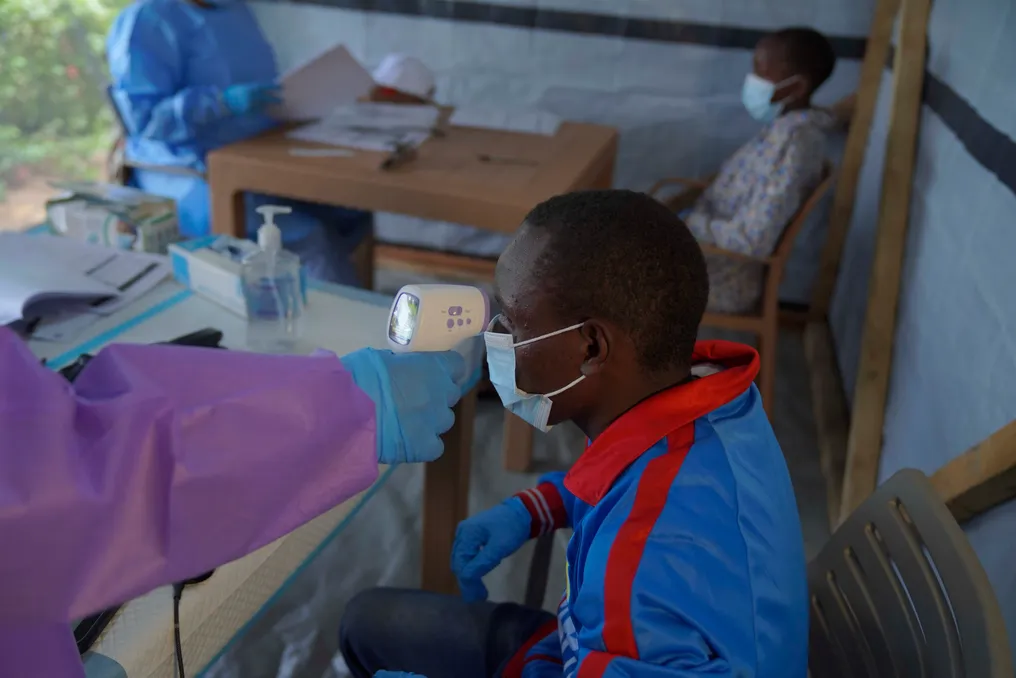
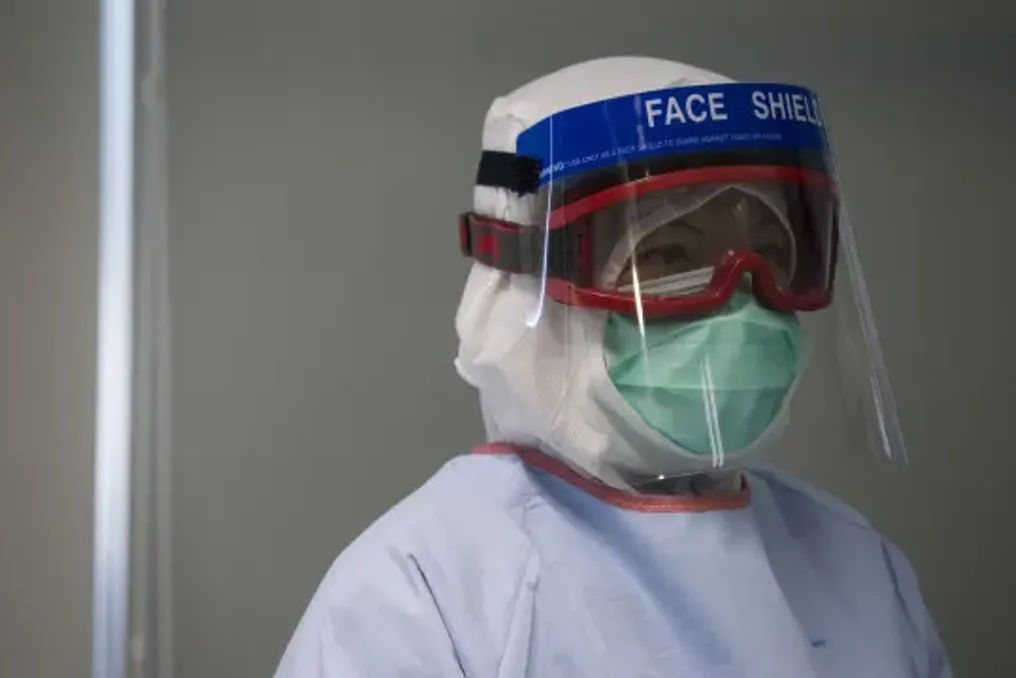
WHO alerts that the Democratic Republic of Congo faces the worst cholera epidemic in decades
Read more
Noticias ao Minuto
noticiasaominuto.com

WHO alerts that the Democratic Republic of Congo faces the worst cholera epidemic in decades

The World Health Organization (WHO) issued an alert stating that the Democratic Republic of Congo (DRCongo) is dealing with the worst cholera epidemic recorded in decades. Since the beginning of the year, over 60,000 cases and 1,800 deaths have been counted.

This cholera scenario occurs parallel to the Ebola epidemic, which in just five months caused over 10,400 cases and more than 5,300 deaths. The WHO Director-General, Tedros Adhanom Ghebreyesus, communicated this data during a press conference held in Geneva.

Most of the cholera cases, as well as those of Ebola, have been identified in the two provinces located in eastern DRCongo: North Kivu and South Kivu. However, a growing concern lies in the registration of new cases along the Congo River basin, suggesting a potential for the disease to spread to the capital, Kinshasa, located in the west of the country.

According to the WHO, the year 2025 registered the highest volume of case notifications in over 25 years, although the current year is projected to be even more severe. The organization highlighted that the progression of the disease in hard-to-reach areas, especially those affected by conflict, is a major cause for concern due to the risk of these epidemics overlapping with the Ebola crisis.

Additionally, the current rainy season is expected to favor the spread of the disease, including in the capital, Kinshasa. The average mortality rate associated with cholera is high, approaching 3%, which reflects the difficulties faced in accessing proper treatment.

Tedros emphasized the crucial importance of directing special attention to vaccination campaigns, especially in the eastern regions of the country. In response to this situation, the Global Outbreak Alert and Response Network (GOARN), which includes the WHO, UNICEF, the International Federation of Red Cross and Red Crescent Societies (IFRC), and Médecins Sans Frontières (MSF), obtained approval for the distribution of 7.4 million doses for the year 2026, with financial support from Gavi, the Vaccine Alliance. It was also mentioned that a new supply request is currently under review by the organization.

Similar stories

WHO proposes low-cost measures to combat climate change and save millions of lives
Read more
noticiasaominuto.com

WHO proposes low-cost measures to combat climate change and save millions of lives

A new report from the World Health Organization (WHO) indicates that implementing six relatively low-cost health and climate actions has the potential to save 1.6 million lives annually, in addition to generating billions of dollars in economic and fiscal gains.

This document was released shortly before the annual UN Climate Change Conference (COP31), which will take place in Antalya, Turkey. The report details that installing health alert systems for heatwaves, providing climate-resilient drinking water, and other interventions can result in annual benefits of $3.9 billion (equivalent to €3.49 billion).

Additionally, WHO experts estimate there will be another $5.4 billion (€4.83 billion) in fiscal advantages. Among the listed recommendations are investments in essential sanitation, hygiene, and handwashing services.

The list of measures also includes transitioning to cleaner fuels for heating and cooking in homes, along with adopting pricing policies for fossil fuels. According to the organization's projections, these actions could prevent one death for every 40 annual occurrences.

Tedros Adhanom Ghebreyesus, Director-General of the WHO, emphasized in the report that applying accessible and effective measures can save millions of lives, with the greatest benefits being perceived by countries with the greatest need.

Frank Pega, WHO's Head of Climate, Health, and Economy and presenter of the study, described the initiative as 'one of the biggest health investment opportunities of the 21st century, with a return that few other initiatives could match.'

With COP31 starting on November 9th, the head of the UN health agency stressed that protecting health 'must occupy a central place' in global discussions.

The WHO's proposals have the potential to help prevent the emission of 16.7 billion tons of carbon dioxide, which corresponds to 31% of annual greenhouse gas emissions, excluding sources related to land use and forestry.

The WHO calculated that for every dollar invested in these measures, a return of $24 can be obtained; this return is even higher in the case of health alert systems for heatwaves, where the organization predicts a return of $835 per dollar invested.

Regarding fossil fuel pricing policies—which would include eliminating inefficient subsidies and imposing taxes on their consumption—the WHO estimates that it would be possible to prevent 1.2 million deaths per year and generate three billion dollars (€2.68 billion) in annual benefits.

Ebola outbreak surpasses 10,000 cases in Congo, causing high mortality and containment challenges
Read more
g1.globo.com

Ebola outbreak surpasses 10,000 cases in Congo, causing high mortality and containment challenges

Government data released on Tuesday indicated that the Ebola outbreak in Congo has reached over 10,000 confirmed cases, while health authorities work intensively to control the spread of the disease in several African countries.

This outbreak is considered the fastest growing in history, and according to information from the Congolese Ministry of Health, nearly half of the 10,060 diagnosed individuals have died, making it the deadliest of the disease in the country.

The outbreak, which was reported in May, is caused by the Bundibugyo virus, a pathogen for which there are no approved vaccines or treatments. Response teams face numerous obstacles, including armed conflicts, poor road infrastructure, and public hostility driven by misinformation and distrust.

These obstacles hinder people's adherence to reporting symptoms and seeking medical assistance in communities that historically deal with violence and successive epidemics.

Comparison with previous outbreaks

Compared to the Ebola outbreak in West Africa between 2014 and 2016—the largest and deadliest in history, with over 28,000 cases and more than 11,000 deaths—the current outbreak has recorded at least three times more cases and deaths since its declaration in the same period.

The disease has spread throughout Africa, surpassing any previous outbreak, and has reached three regions. Cases have been registered in five nations, including Uganda, as well as France, which currently has no active cases.

A persistent problem in the disease's spread in Africa is the apparent failure in surveillance, given that most initial cases were only confirmed long after the onset of symptoms or after individuals traveled.

Distribution and Challenges in Congo

In Congo, the disease has expanded to 66 health zones across eight provinces, a significant increase from the three zones existing when the outbreak was declared in May. Professionals involved in the response informed the Associated Press that treatment centers in certain areas are overwhelmed, and that part of the population remains distrustful, reacting with violence.

Furthermore, health professionals have regularly gone on strike due to delays or absence of salary payments. Sephora Bgosi, a member of the team responsible for burying Ebola victims in the Ituri province, the epicenter of the outbreak, warned: 'Some people still don't seem to understand the seriousness of the situation, even though they are directly exposed to the risk.' She emphasized that 'Ebola is extremely dangerous and can be fatal.'

It is estimated that about 80% of the registered cases are still identified outside the monitored contact circle, suggesting the existence of transmission routes unknown to health authorities. The African Centre for Disease Control and Prevention (Africa CDC) points out that for the outbreak to be considered widely controlled, at least 95% of cases should be among known contacts.

At least half of the registered deaths occurred among individuals who were not admitted to treatment centers, indicating that in many localities, residents are still not reporting their symptoms.

In various areas, health professionals face everything from basic shortages, such as a lack of appropriate vehicles, to more complex issues, such as persuading families to hand over sick or deceased relatives for safe burial.

Last week, in the Nia Nia health zone in Ituri province, some Ebola response workers, including surveillance and community mobilization agents, went on strike over unpaid bonuses since the end of August, a recurring problem in several affected regions.

More than five months after the start of the outbreak, health professionals continue to be attacked by residents. A nurse was murdered and another professional was seriously injured while responding to an Ebola alert in Bafwasende, Tshopo province, last Saturday.

Impact on Healthcare Services in Congo

The outbreak has compromised essential health services, which were already operating with resource scarcity and overload, and diverted focus from other epidemics faced by the country, such as cholera.

There is an increase in maternal deaths, as pregnant women avoid hospitals for fear of infection and isolation, resulting in double the maternal mortality in some provinces shortly after the outbreak was declared.

The epidemic has also affected routine services, such as childhood vaccination, interrupted classes in regions where millions of children were already out of school, caused stigma and trauma in affected families, and worsened the living conditions of many people already in vulnerable situations.
Ebola Epidemic in DR Congo: Over 10 Thousand Cases and 4,887 Deaths Registered
Read more
noticiasaominuto.com

Ebola Epidemic in DR Congo: Over 10 Thousand Cases and 4,887 Deaths Registered

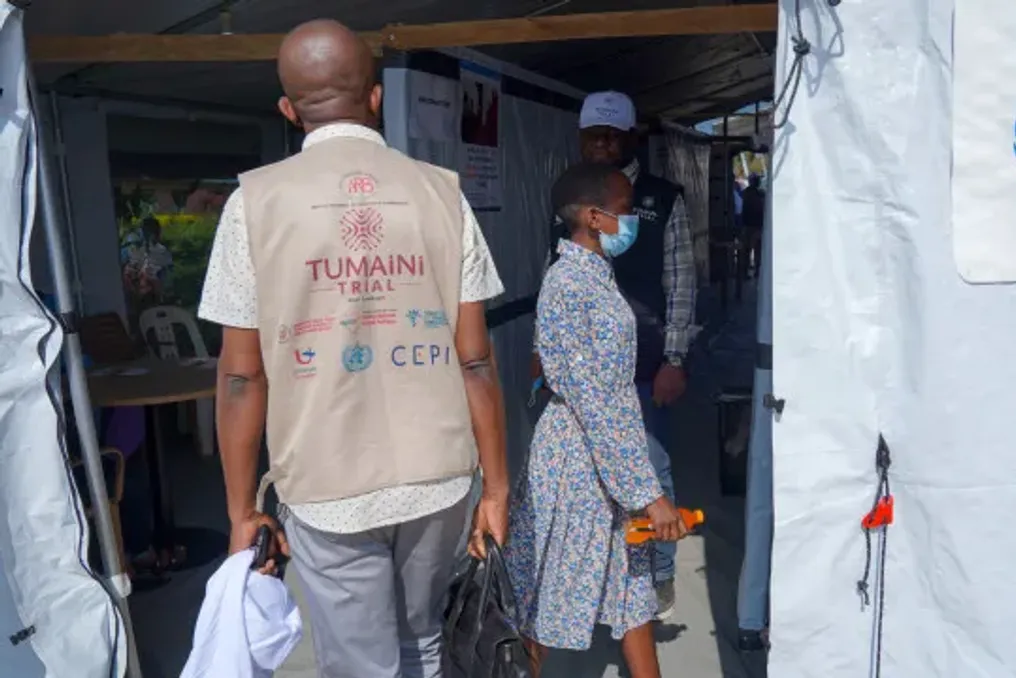
Authoritative sources in the Democratic Republic of Congo (DRC) have reported that the Ebola outbreak, declared on May 15, has exceeded 10,000 confirmed cases, including 4,887 deaths.

According to the latest report from the DRC's National Institute of Public Health (INSP), which contains data as of October 25, 10,060 confirmed cases have been recorded, with the fatality rate reaching 48.6%. To date, 2,684 infected individuals have recovered, and contact tracing coverage stands at 81.6%.

The most affected provinces in the eastern part of the country are Ituri and North Kivu, where 32 and 58 new cases were registered in the last 24 hours, respectively.

In total, the epidemic affects eight out of the 26 provinces of the DRC: Ituri and North Kivu, as well as Tshopo (north-central), Bas-Uele (north), Haut-Uele (northeast), South Kivu (east), South Ubangi (northwest), and North Ubangi (north).

This surge, which is the second deadliest and most contagious in world history, has already surpassed the scale of the outbreak in the same Congolese region between 2018 and 2020. Nevertheless, it still falls short of the most severe outbreak that occurred in West Africa between 2014 and 2016, which resulted in approximately 11,000 deaths and 28,000 infections.

The Bundibugyo strain causing the current epidemic has no specific treatment. However, the World Health Organization (WHO) is working on two vaccines that have passed phase one human trials and currently demonstrate safety, although their development may take several months.

Meanwhile, the DRC began an Ebola immunization campaign at the end of August, using the Ervebo vaccine, which is the only one available in large quantities. Although this vaccine was initially developed for the Zaire variant, which is more common, it has shown promising results against the Bundibugyo variant in animals.

The WHO also announced last Friday the start of clinical trials in the DRC to assess various potential vaccines against this strain. The Ebola virus is transmitted through direct contact with the bodily fluids of infected people or animals and causes severe hemorrhagic fever, accompanied by vomiting, diarrhea, and internal bleeding.

Popular