Return of Bison and Creation of New Habitat for Deer in Bandhavgarh Forests
Read more
Aaj Tak
www.aajtak.in

Return of Bison and Creation of New Habitat for Deer in Bandhavgarh Forests

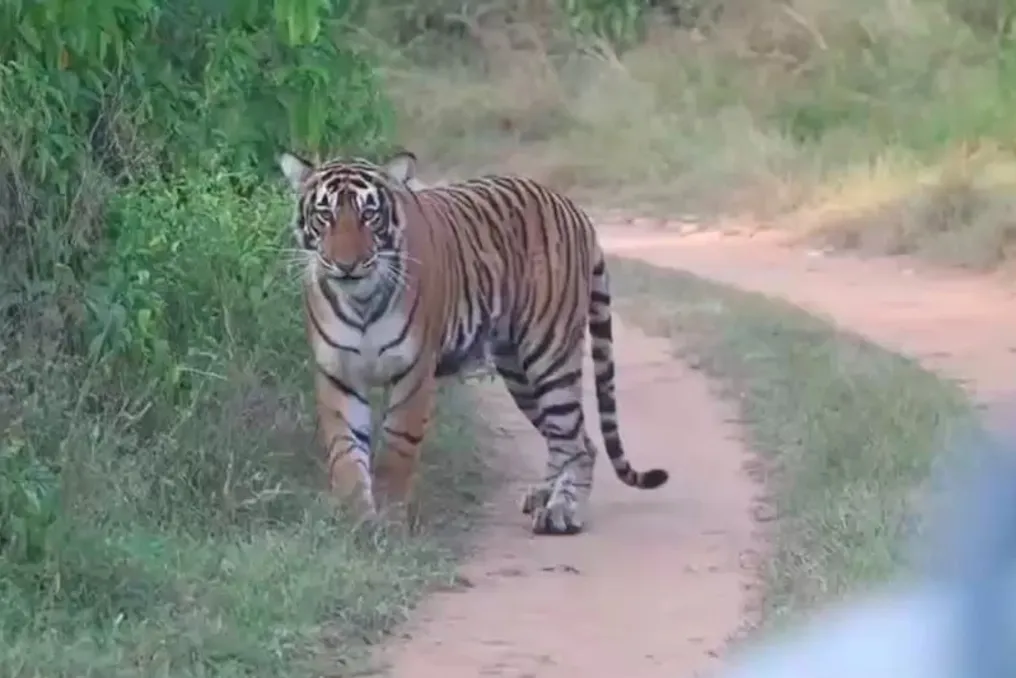
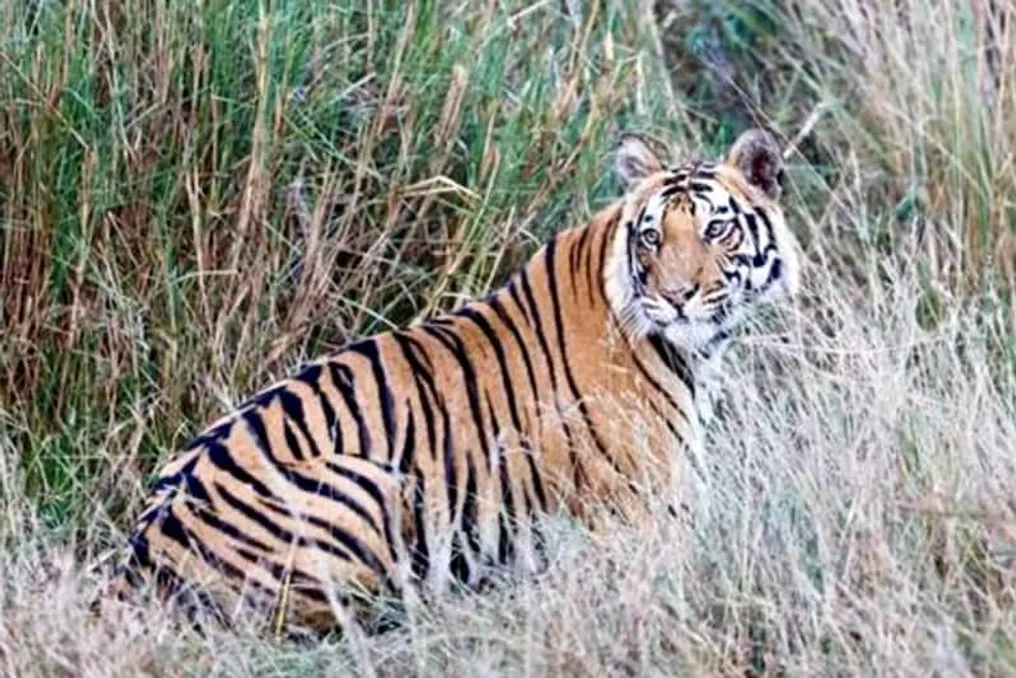
A positive picture has emerged in the field of wildlife conservation within the forests of the Bandhavgarh reserve, which became evident during the Diwali festival. The presence of bison, elephants, and vultures enriches the biodiversity of the forests. Furthermore, efforts are being made to restore the deer population.

The primary focus of environmental authorities is on providing wild animals with safe habitats and adapting them to the natural environment. The return of wild animals that had once disappeared locally in Bandhavgarh is considered a significant achievement of conservation efforts. These efforts contribute not only to increasing the number of wild animals in the forests but also to strengthening the ecological balance.

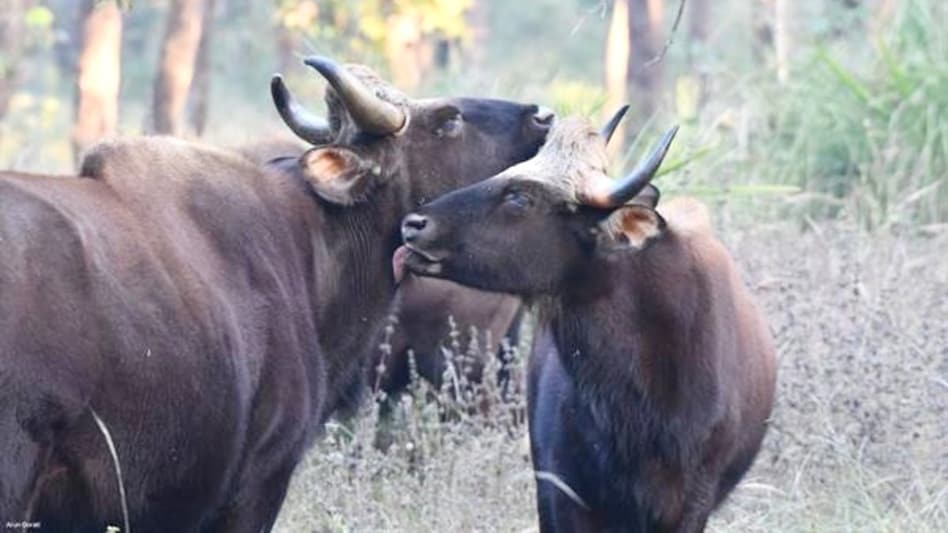
The return of bison to the forests of Bandhavgarh is an important success in wildlife protection. After conservation and restoration efforts, bison are again freely moving in their natural environment. Their growing presence strengthens the forest ecosystem and biodiversity.

Elephants, which arrived in Bandhavgarh in 2018, have gradually made these forests their new home. Over time, the elephants have adapted to the local environment and are now an integral part of the fauna of Bandhavgarh.

Vultures are known as nature's sanitation workers. They play a critically important role in maintaining environmental cleanliness and ecosystem balance by preying on dead animals. In the safe rocks and forests of Bandhavgarh, they are provided with suitable shelter. Conservation and habitat creation efforts help sustain their existence.

Initiatives are also underway to bring deer back to Bandhavgarh. As part of this program, deer were brought from the Kanha reserve and placed in a secure enclosure. Attempts are currently being made to adapt them to the new environment. This step is an important direction for the future creation of safe natural habitats for them.

The initiatives involving bison, elephants, vultures, and deer show that consistent conservation efforts and the provision of safe habitats can open up new opportunities for wildlife to thrive. This could lead to an increase in the natural wealth of Bandhavgarh and provide a new impetus for eco-tourism development. The message conveyed by the forests of Bandhavgarh during Diwali is that if wild animals are provided with safe shelter and a favorable environment, both life and biodiversity can flourish in the forests.

Similar stories

Eight cubs in the Kailadevi reserve offer hope for tiger population recovery in Rajasthan
Read more
thebetterindia.com

Eight cubs in the Kailadevi reserve offer hope for tiger population recovery in Rajasthan

For nearly three decades, there have been no documented cases of successful tiger reproduction in the Kailadevi wildlife sanctuary in Rajasthan. Although tigers traversed the forests of this region, the possibility of their breeding here again was a question.

The situation has changed. In the last five years, eight cubs and three adult tigers have been recorded in Kailadevi, offering hope for the formation of a population outside the Ranthambore territory.

The discovery was detailed in a new study conducted by WWF-India in collaboration with the Rajasthan Forest Department. The research findings were presented in Jaipur on October 16, 2026.

Significance of the Birth of Eight Cubs

The Kailadevi Wildlife Sanctuary, located in the Karauli district of Rajasthan, covers an area of about 674 square kilometers, including forests, rocky hills, and deep ravines. It was established in 1983 and represents the northern extension of the Ranthambore Tiger Reserve.

For tigers leaving Ranthambore, these forests serve as a pathway to other wildlife habitats, such as the Dholpur-Karauli Tiger Reserve and the Kuno National Park in Madhya Pradesh. However, the forest through which a tiger can move differs from the forest where it can raise offspring.

Mothers need protected places to shelter young, a sufficient amount of wild animals for hunting, and a suitable habitat for the cubs to grow. This is what makes the recent breeding records encouraging, as they indicate that parts of Kailadevi provide conditions for tiger reproduction.

K. K. A. Arun Prasad, Chief Wildlife Warden of Rajasthan, stated that 'the Kailadevi Wildlife Sanctuary is becoming a vital landscape for tiger conservation, demonstrating successful reproduction after three decades.' He believes that protecting the forests and the corridors connecting them can contribute to the creation of a second tiger population near Ranthambore.

What Was Discovered by 186 Hidden Cameras

To understand the fauna inhabiting Kailadevi, researchers from WWF-India and the Rajasthan Forest Department conducted a detailed assessment from November 2023 to February 2024. They collected valuable data from 186 camera trap stations placed throughout the sanctuary. These cameras automatically photographed passing animals, helping scientists study fauna that is difficult to observe directly.

The cameras recorded 27 species of mammals, showing the diversity of animals sharing these forests. Leopards were among them. Researchers identified 29 leopard individuals and estimated their density at approximately 3.65 individuals per 100 sq. km. Among large predators, striped hyenas were photographed most frequently, followed by wolves and leopards. Jackals, Indian foxes, jungle cats, and caracals were also recorded.

The team also studied herbivores that serve as prey for tigers. Their numbers are important because reproduction is only the beginning. As the cubs grow up, they will require enough food and space for self-sufficiency.

Why Do These Tigers Need Forests Outside Ranthambore

As young tigers grow up, they may leave their birthplaces in search of their own territory. For this journey, they need connected forest areas where they can travel, find mates, and establish new territories. Here, Kailadevi gains special significance, as its location helps link Ranthambore with neighboring wildlife habitats. However, expanding roads, growing settlements, and damage to forest areas can disrupt these routes, hindering animal movement.

Therefore, protecting these connections is crucial if Kailadevi is to sustain tigers for generations. This work also involves the people living around these forests.

How Nearby Villages Help Protect the Landscape

Initiatives by WWF-India and the Rajasthan Forest Department have benefited almost 8,000 residents in 46 villages on the outskirts of the forests around Ranthambore and Kailadevi. These initiatives include supporting livelihoods, clean energy options, and programs involving people in environmental protection. The goal is to meet local needs while reducing the pressure on the habitat that wildlife depends on. This work is vital in areas where people depend on the same forests as tigers and other wildlife for survival.

Can Kailadevi Give These Cubs a Future?

The return of tiger reproduction is encouraging, but the recovery of Kailadevi will depend on further actions. Conservationists must continue monitoring tigers, protecting forest corridors, and ensuring a sufficient supply of wild prey. The eight cubs recorded over five years do not yet form a safe, self-sufficient tiger population. Nevertheless, they demonstrate why preserving this sanctuary is important.

After nearly three decades without documented successful reproduction, tigers are once again breeding in Kailadevi. With continuous protection of its forests and support from local communities, the sanctuary can become home to future generations of tigers.
Amazing sight spotted in Sirsk Reserve in Alvare: cubs learning from mothers
Read more
www.aajtak.in

Amazing sight spotted in Sirsk Reserve in Alvare: cubs learning from mothers

In the Sirsk taiga, located in Alvare, captivating sights are observed for wildlife enthusiasts and tourists. Both in the main area and the buffer zone, this location has become a favorite spot for tigresses and their cubs. Observations of tigresses are regularly recorded on the Bala Kila buffer zone tracks.

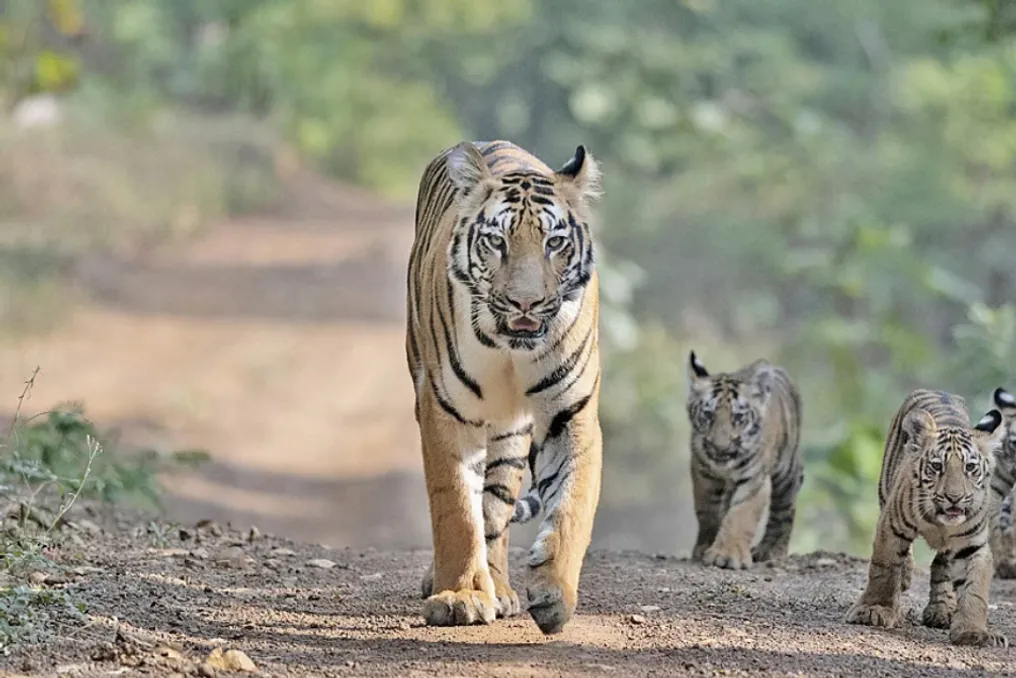
Of particular interest are two tigresses spotted with their six cubs. In the Sirski buffer zone, tigress ST-23 was seen with her two cubs, and ST-19 with four cubs.

During an evening safari on the Andheri track on Monday, tigress ST-23 played with her two cubs. Tourists captured this picturesque scene on their cameras, significantly increasing the enthusiasm of safari visitors due to the presence of the tigress and her offspring.

As the cubs wander through the forest with their mother, they study the surrounding environment and learn how to live in the wild. Sometimes the tigress plays with the cubs in the water, and sometimes she introduces them to hunting and survival methods in the forest. Such moments become a special attraction for wildlife photographers.

As the tiger population in Sirsk increases, the importance of the buffer zone also grows. There are three safari routes in the Bala Kila buffer area, one of which is closed due to collapse. Currently, safaris are conducted on two routes, and observing tigresses and their cubs on these paths is the main magnet for tourists.

Both Indian and foreign tourists show interest in Sirsk in the buffer zone. The possibility of online safari booking simplifies trip planning for visitors. The excitement of potentially seeing tigresses and their cubs up close gives a new dimension to Sirski's ecotourism.

Thanks to the constant presence of tigresses and their cubs in the buffer zone, tourists have the opportunity to observe the natural life of the forest up close. These sights have made safaris in Sirsk even more special for wildlife lovers.

Shadhol Forests are Important for Tigers and Elephants as They Form a Natural Corridor Between Bandhavgarh and Achankmar
Read more
www.aajtak.in

Shadhol Forests are Important for Tigers and Elephants as They Form a Natural Corridor Between Bandhavgarh and Achankmar

The Shadhol region in Madhya Pradesh is known for its rich forest cover and biodiversity. The dense forests here serve as natural routes for many wild animals, including tigers, elephants, leopards, and bears. Due to its location between the forest areas of Madhya Pradesh and Chhattisgarh, the Shadhol forests play a critically important role in wildlife conservation.

Although Shadhol itself is not a tiger reserve, its forest lands are vital for ecological corridors connecting the Bandhavgarh, Kanha, and Sanjay Gandhi reserves with the Achankmar reserve in Chhattisgarh. Special attention is paid to the Southern Forest Division area, which is considered a key link in the movement of wild animals.

The Shadhol forests provide a favorable habitat due to the presence of sal forests, natural water sources, and sufficient food. Tigers can use these forests to expand their territory and search for new habitats in other forests, while elephants travel long distances along their traditional paths.

These natural pathways help animals move from one forest mass to another. These natural routes maintain connectivity and migration among wild animals living in different forests.

Bandhavgarh Tiger Reserve in Umaria district is famous for its tigers, but the presence of elephants is also crucial for wildlife conservation. The movement of elephants from Chhattisgarh through the Anuppur and Shadhol forest areas to Bandhavgarh demonstrates the importance of these forests. Since early 2018, the appearance of elephants in the Bandhavgarh area has become an important aspect of conservation efforts.

Ecological corridors are natural paths that animals can use to move from one forest to another. These routes may include not only forests but also rivers, hills, villages, and settlements. Ensuring the safety of these corridors maintains contact between different natural habitats of wild animals, helping them find food, water, and new places to live.

However, deforestation, construction work, and other anthropogenic impacts can create obstacles on these paths, disrupting animal movement and increasing the risk of human-wildlife conflict.

Residents of settlements located in the migration areas of tigers and elephants need to be vigilant. If a wild animal is spotted near a forest or village, one should avoid approaching, surrounding, or provoking the animal. In such cases, it is extremely important to report it to the forest department.

Maintaining natural habitats, as well as the availability of water and food in forest zones, is also an integral part of wildlife conservation. The Shadhol, Anuppur, and Umaria forests play a key role in protecting the natural heritage of Madhya Pradesh. It is important to preserve these natural corridors between the forest areas of Madhya Pradesh and Chhattisgarh to conserve tigers, elephants, and other wildlife, as well as to maintain biodiversity.

Popular