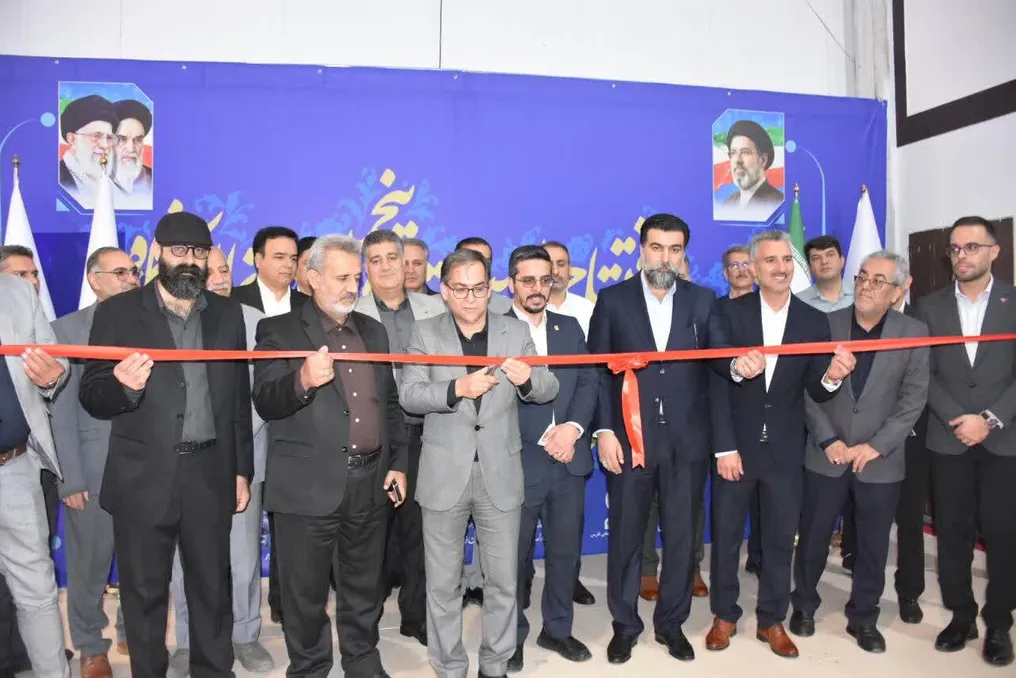
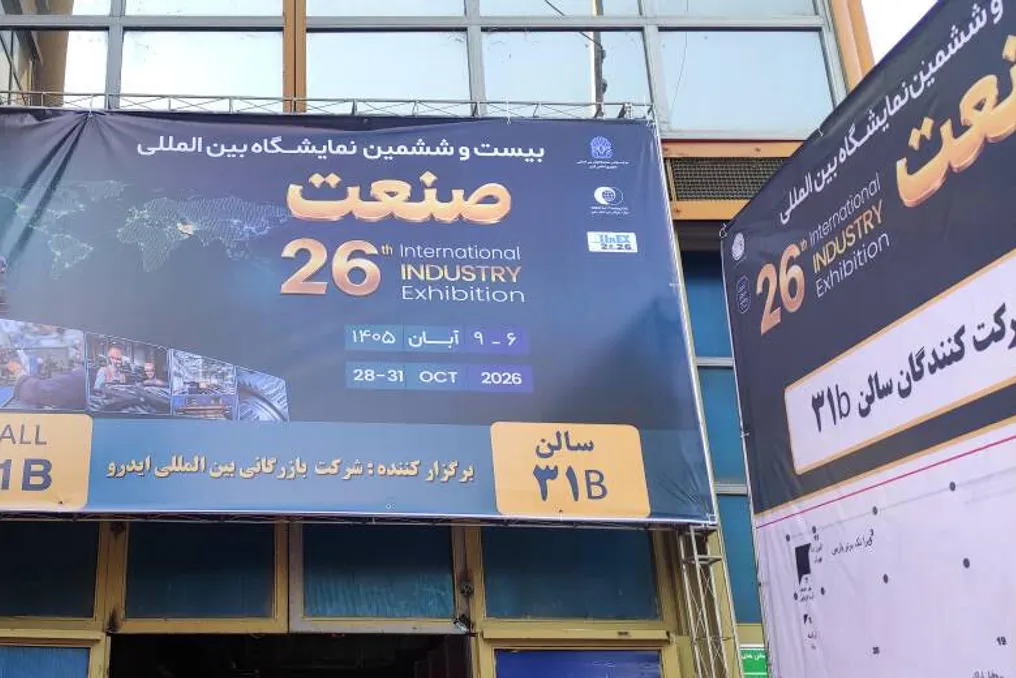
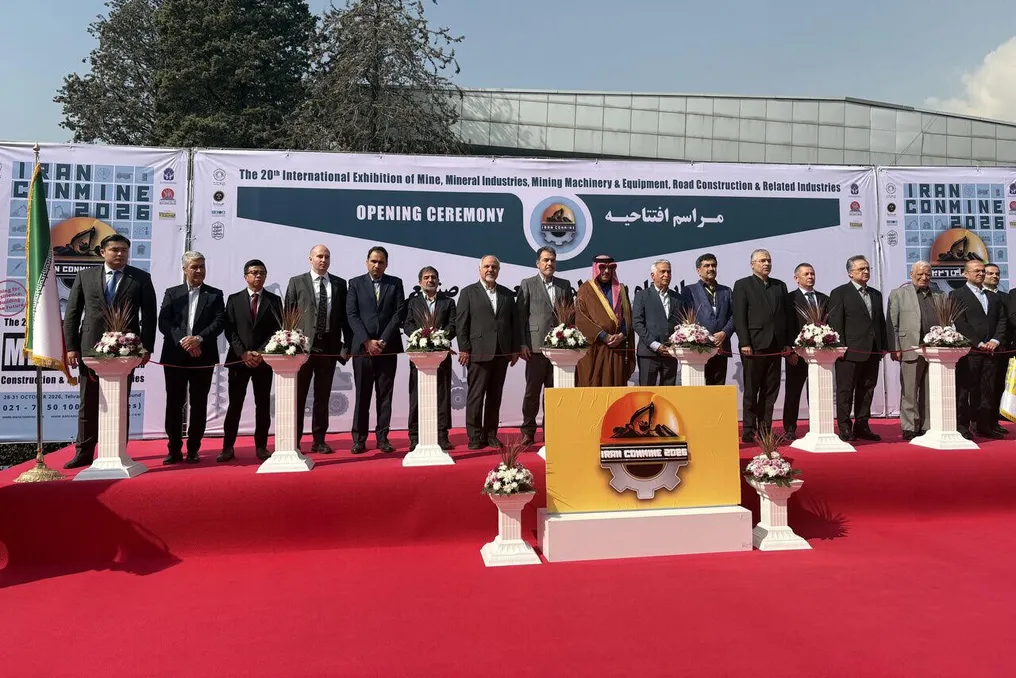
The 26th Tehran International Industrial Exhibition opened on October 28 at the permanent international fairground in Tehran. The event attracted 157 domestic enterprises, including 30 knowledge-based companies, as well as representatives of foreign brands from Germany, Japan, China, Taiwan, and Hong Kong.
At the exhibition, visitors and economic participants are shown production equipment, machine building lines, tools, as well as technical and engineering services. This provides an opportunity to familiarize oneself with the capabilities of manufacturers, their products, and industrial technologies.
Key Highlights of the Exhibition
Particular attention is drawn to the independent participation of Chinese companies and the presence of other countries such as Germany, Japan, Taiwan, and Hong Kong, who are represented through their delegates. Such participation can serve as a basis for a deeper acquaintance with the potential of international firms and the study of trade cooperation opportunities.
The presence of 30 knowledge-oriented companies, alongside other local enterprises, created a platform for presenting innovative achievements and technological products in the industrial sector.
The exhibition was organized on a territory of about 25,000 square meters with the aim of demonstrating Iran's industrial capabilities and supporting the country's economic and trade activities.
The opening ceremony of the 26th Tehran International Industrial Exhibition was attended by Kasra Nouri, CEO of the Islamic Republic of Iran International Exhibitions Company, Seyed Javad Hosseini-Ki, a representative of the Sonkor people in Parliament and a member of the Committee on Industry and Mining, as well as a group of officials, industrialists, and industry participants.
The exhibition will run until October 31, and its goal is to showcase production capacities, develop the industrial goods market, and strengthen ties between manufacturers, technology companies, suppliers, and economic actors.
Statements by Officials
On the occasion of the opening of the 26th International Industrial Exhibition, the Deputy Minister of Industry, Mining, and Trade and Head of the Iranian Trade Promotion Organization stated in his message that industrial exhibitions are a valuable tool for transforming the country's production potential into new trade opportunities, expanding the presence of Iranian firms in regional and global markets, and rethinking the map of Iran's foreign trade.
Mohammad Ali Dehghan Dehnavi emphasized that industry is one of the fundamental foundations of economic growth, productivity improvement, and the development of the country's foreign trade, playing an important role in creating added value, employment, technological development, and increasing the competitiveness of the national economy. He noted that in a context where the development of non-resource exports and a sustainable presence in international markets are prerequisites for achieving the country's economic goals, strengthening industrial capabilities and utilizing the production capacities of local firms represents a strategic necessity.
He characterized specialized industrial exhibitions not merely as a venue for presenting equipment and products, but as a platform for connecting manufacturers, raw material suppliers, machine builders, knowledge-based companies, investors, and participants in domestic and foreign trade. Additionally, he added that such events can contribute to strengthening ties between various circles of production and trade, providing a basis for experience exchange, implementation of technological advancements, identification of market needs, development of industrial cooperation, and conclusion of trade contracts and joint investments.
Dehghan Dehnavi, referring to the country's diverse production, engineering, design, and research and development capabilities, pointed out that the effective utilization of these capabilities requires strengthening the link between industry and technology, improving product quality, increasing productivity, developing innovation, and transitioning to the production of higher value-added products. Furthermore, completing value chains, developing upstream and downstream industries, and strengthening links between large industrial facilities and small and medium-sized enterprises can contribute to deepening domestic production, reducing dependence on imports in sectors where there are advantages, and increasing the competitiveness of Iranian products. At the same time, attention to international standards, target market requirements, and technological development is one of the factors influencing the promotion of Iran's industrial position in regional and global value chains.
The Deputy Minister of Industry, Mining, and Trade reminded that the development of industrial exports is not limited to increasing sales volumes; it requires a precise understanding of target markets, adapting production to customer needs, strengthening distribution and after-sales service networks, and establishing stable trade relations with foreign partners. Targeted presence in international markets, besides expanding the market for Iranian firms, can create a basis for technology transfer, attracting investment, developing technical and engineering cooperation, and increasing the share of high value-added products in the country's export basket. From this perspective, synergy between industrial and trade development policies and active participation of the private sector is one of the criteria for transforming the country's production capabilities into sustainable export advantages.