Apple Music adds Selfie Sing feature for karaoke video recording on iPhone
Read more
Tecnoblog
tecnoblog.net

Apple Music adds Selfie Sing feature for karaoke video recording on iPhone

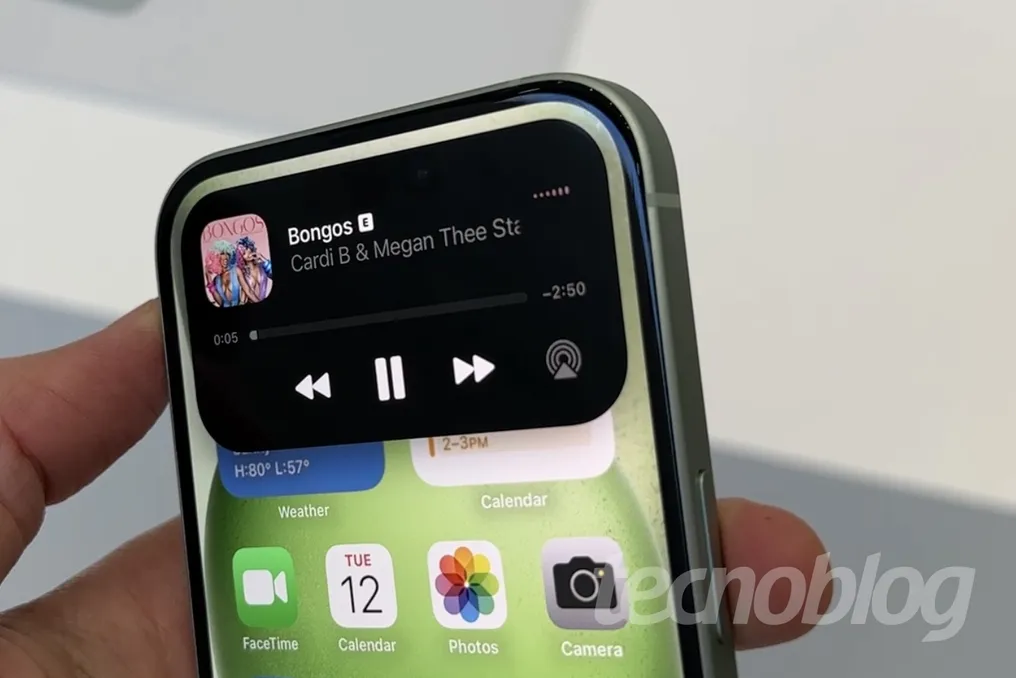
Apple is implementing an expansion of the karaoke functionalities within Apple Music. This new feature, called Selfie Sing, was introduced in the beta version of iOS 27.3 and allows users to use the front camera along with the synchronized lyrics of songs to record videos.

During recording, the user can follow the lyrics displayed on the screen while singing, and afterward, has the option to adjust the volume of their own voice and apply various sound effects. The resulting video can be saved in the Photos app or shared with third parties, according to developer Aaron Perris from MacRumors, who released a demonstration video of the feature.

Preparatory innovations for the next iteration of iOS are already being observed just over a week after the changes introduced by iOS 27.2, which brought a new visual aesthetic, giving the app's interface a more 'sober' look. Subscription costs for the service remain at R$ 23.90 for the individual plan and R$ 40.90 for the family plan.

Selfie Sing acts as an evolution of Apple Music Sing, a karaoke feature launched in iOS 16.2 in 2022, allowing users to lower the volume of original vocals in compatible songs so they can sing along.

With this new mode, a camera icon appears next to the Sing controls. When activated, Apple Music starts a recording interface using the front camera and keeps the synchronized lyrics visible. After finishing the recording, it is possible to balance the volume of the voice captured by the microphone relative to the music volume.

Furthermore, Apple Music offers four options for voice modification effects. In the case of the iPhone Duo, the mode utilizes the foldable format distinctly: when the device is closed, the user can film themselves using the main rear camera while following the lyrics on the external screen.

Currently, Selfie Sing is only available on iPhone devices. According to Apple Insider, the feature was not found on an iPad Pro running the same beta version, although the tablet has access to Apple Music.

Even though it is in testing phase, Apple made a specific playlist available for Selfie Sing, according to MacRumors. This musical selection includes tracks such as "Girls Just Want to Have Fun" by Cyndi Lauper; "Like a Virgin" by Madonna; and "Baby One More Time" by Britney Spears.

Although this playlist may be accessible to users of iOS 27.2, officially released by the company the previous week, this does not imply that the recording mode is available in the current version. Apple has not yet released Selfie Sing in the stable version of the system.
Similar stories

iPhone 18e should maintain 60 Hz refresh rate despite new processor
Read more
tecnoblog.net

iPhone 18e should maintain 60 Hz refresh rate despite new processor

New rumors suggest that the iPhone 18e will receive significant improvements in performance and front camera, but it will maintain a 60 Hz screen, characterizing Apple's entry-level series.

This information was shared on Tuesday, October 27th, by the well-known Chinese leaker Digital Chat Station. The iPhone 18e is expected to be launched in the first half of 2027, alongside the iPhone 18 and iPhone Air 2 models.

The most notable change anticipated for the new device is the processor, which will use the same chip as the standard iPhone 18, the Apple A20. This component is expected to be produced using a 2-nanometer process, surpassing the 3 nm of the A19 found in the iPhone 17e. This technological advancement should provide gains in both energy efficiency and performance.

Regarding the front camera, there are indications of a new 24-megapixel sensor, an increase from the 12 MP of the iPhone 17e, although the device will retain a single 48 MP camera.

However, the screen is expected to remain essentially unchanged. According to the leak, the device will feature a 6.12-inch LTPO OLED panel operating at 60 Hz, following the specifications of previous generations. It is relevant to note that even more affordable devices, such as the Galaxy A37, have screens with higher refresh rates, with the latter being found for around R$ 1,700.

In addition to the leaks from Digital Chat Station, MacRumors points to rumors of a slight increase in RAM memory, moving from 8 GB to 9 GB. Despite this evolution, the device would fall short of the 12 GB needed for certain Apple Intelligence functionalities.

Memory is a sensitive point in the current market scenario, given the increase in component costs, which prevents large leaps in this aspect in devices aimed at a more economical audience.

Regardless of these specifications, analysts predict that the iPhone 18 and 18e models will have a cost between US$ 100 and US$ 200 higher in the United States. In the Brazilian market, the iPhone 18 Pro line registered an increase of R$ 500 in its most basic versions. The iPhone 17e was introduced in Brazil for R$ 5,799, offering 256 GB of storage, an initial price identical to that charged by the previous generation in the country.

Apple promises to replace foldable iPhones with internal screen defects
Read more
olhardigital.com.br

Apple promises to replace foldable iPhones with internal screen defects

Apple announced that it is aware of issues with the internal screen of its first foldable phone, the iPhone Duo, and has committed to replacing affected units.

Since its launch last Friday (23rd), some consumers have begun reporting failures in the device's internal panel. According to reports circulated online, these failures manifest as bright horizontal lines emerging from the area near the hinge.

In response to these occurrences, Apple confirmed on Monday (26th) that the problem affects only a 'small number' of devices. The company advised customers who find screen defects to contact AppleCare to request a device replacement.

A company spokesperson informed CNBC: 'We are aware of an issue affecting the internal screen of a small number of iPhone Duo units. If users experience problems with the iPhone Duo screen, they should contact AppleCare to request a replacement.'

The initial cost of the device is US$ 1,999 (equivalent to R$ 21,999 in Brazil). For cases where the device is not covered by warranty, the repair of the internal screen costs US$ 999 (approximately R$ 5,400), as detailed on Apple's support page.

Internal screen failures are a known challenge in the foldable phone market since 2019, when Samsung introduced a model with this format, and reviewers noted cracks and panel malfunctions during normal use.

Screen durability remains a factor that may limit the wider acceptance of this type of technology. Despite recent issues, initial reviews of the iPhone Duo praised the user experience with the device open, especially for multitasking and media consumption tasks.

However, reviewers also pointed out that many applications were not yet optimized to take advantage of the larger and wider screens. Apple assured on Monday that developers are already working on adapting their software to the new format. A company representative stated that the initial reception of the iPhone Duo was 'extremely positive,' and that they are observing interesting progress from developers who are quickly updating their apps to leverage the device's unique design.

Apple's first iPod revolutionized the music industry
Read more
www.aajtak.in

Apple's first iPod revolutionized the music industry

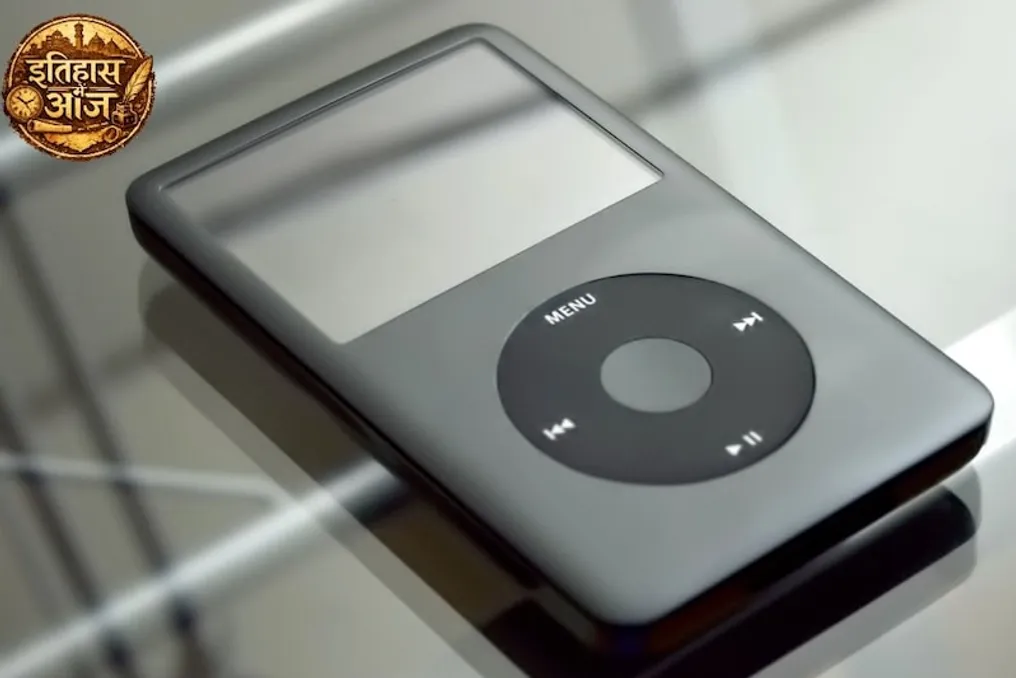
When Apple released its first iPod, it marked the beginning of a radical change in how music was listened to. This compact player was a step toward realizing the dream of carrying thousands of songs in your pocket, transforming not only listeners' habits but also the music industry itself.

Today, listening to music on mobile phones and creating personal playlists has become extremely simple. However, previously, listening to songs while traveling required having a cassette or CD player with you. The arrival of the iPod helped popularize digital content and played a key role in transforming Apple from a computer manufacturer into a recognizable technology brand among consumers. Moreover, this shift paved the way for devices like the iPhone.

By 2001, there was growing interest in digital music, and users began moving from cassettes and CDs to MP3 players. Nevertheless, many players available at that time had limitations in usability and capacity. Steve Jobs, Apple's CEO at the time, saw an opportunity in this. In early 2001, he recruited Tony Fadell to the team to develop the iPod. The company's goal was to create a small and simple device capable of holding a huge number of favorite tracks.

The team demonstrated high efficiency and completed development ahead of schedule. The iPod was announced on October 23, 2001, and sales began on November 10, 2001.

The first iPod model was the size of a standard deck of cards. It featured a central selection button and four control buttons around it. A special feature was the mechanical scroll wheel, which allowed the user to move through the song list forward and backward. The design was also distinctive: a white front casing, a stainless steel back panel, and white headphones gave it a unique look among other music players. The interface was so intuitive that it did not require a separate power switch.

The initial price of the iPod was $399. It had a 5GB hard drive, allowing it to store about 1000 songs. The battery provided up to 10 hours of operation, and the device also had a backlit screen. Presenting the iPod, Steve Jobs claimed that listening to music would never be the same. Although this might have seemed like an exaggeration at the time, the digital music market began to grow rapidly in the following years.

The initial launch of the iPod was moderately successful, but sales did not skyrocket immediately. About 350,000 units were sold in the first year. A significant reason for this was that early versions of the iPod worked exclusively with Apple computers. This situation changed in 2002 when the company introduced an iPod version compatible with Windows computers, expanding the pool of potential buyers.

Subsequently, in 2003, Apple launched the iTunes Music Store. Through this platform, users gained the ability to legally purchase and download a large number of tracks. The collaboration between the iPod and iTunes played a crucial role in changing music purchasing and listening methods. Whereas people used to buy entire albums, the digital store made it easy to purchase just one song, stimulating the shift from physical CDs to digital downloads and altering the old business models of the music industry.

Over time, Apple began incorporating new features into the iPod. In 2005, the company added podcast downloading capability, and the iPod played a role in the popularity of podcasts. In the same year, the fifth version of the iPod Classic received a screen for viewing videos, allowing users to watch movies and TV shows. Thus, the device was no longer limited to just listening to music.

Apple released numerous iPod series, including iPod Classic, Mini, Shuffle, Nano, and Touch. In total, estimates suggest the company sold about 450 million units across all these lines.

The success of the iPod helped Apple realize that consumers preferred using digital content on small, simple, and attractive devices. In 2007, the company introduced the iPhone, which combined phone functions with the ability to play music and video. Gradually, smartphones reduced the need for specialized music players, as all functions—music, video, and much more—became available on the phone. Ultimately, Apple announced the discontinuation of iPod Touch sales in May 2022, marking the end of the iPod's story.

However, the iPod's story goes beyond the simple disappearance of a music player; it marks the beginning of an era where digital music became an integral part of daily life. The iPod simplified carrying music with you and helped Apple achieve the position from which it conquered its unique niche in the global technology market.

Popular