3 Million Lamps Planned to Be Lit at 56 Ghats in Ayodhya for Diwali 2026 Celebration
Read more
Aaj Tak
www.aajtak.in

3 Million Lamps Planned to Be Lit at 56 Ghats in Ayodhya for Diwali 2026 Celebration

The city of Ayodhya in the state of Uttar Pradesh is preparing for the celebration of Diwali, offering visitors the opportunity to visit this sacred land, which is the birthplace of Lord Rama. The Shri Ramdhamabhū Temple is decorated with bright lights and flowers, creating a magnificent sight, especially in the evening.

Before the Diwali festival and the festival of lights, the Shri Ramdhamabhū temple was specially decorated. The temple complex is equipped with attractive lighting fixtures, and its beauty is further enhanced by floral and other decorative elements. These decorations were published on the social media of the Shri Ramdhamabhū Tirtha Crest Trust, showcasing the temple bathed in light at night. The majestic architecture and twinkling lights make this place a center of attraction for pilgrims and tourists.

Ayodhya has a deep connection with the Diwali festival. According to religious beliefs, after completing fourteen years of exile and defeating Ravana, Lord Rama returned to Ayodhya along with Mother Sita and Lakshmana. The residents of the city lit lamps throughout the city to celebrate his return. This tradition continues, and Diwali is celebrated here every year with great enthusiasm, as the entire city is adorned with lights, lanterns, and flowers. By coming here with family, one can not only visit religious shrines but also enjoy the festive atmosphere.

The Festival of Lights of Ayodhya is known for its grandeur. The tenth edition of this event is planned for November 7, 2026. As part of this event, it is planned to light about 3 million clay lamps at 56 ghats along the Sarayu River and in various temples. During the festival of lights, visitors can expect thousands of lights on the ghats, cultural performances, and religious ceremonies. The sight of burning lamps along the Sarayu River is a special spectacle for tourists.

If you are planning a trip to Ayodhya for Diwali, besides the Ram Temple, it is worth considering visiting the following places. At the Hanuman Garhi Temple, you can see Lord Hanuman, who is one of the famous religious attractions of Ayodhya. Kanka Bhavan, dedicated to Mother Sita and Lord Rama, is known for its beautiful structure and religious significance. On the ghats along the Sarayu River in the evening, you can watch aarti and glowing lights. Ram Ki Paidi, located on the banks of the Sarayu River, is ideal for evening walks and taking beautiful photographs.

A trip to Ayodhya during the Diwali festivals will provide an opportunity to witness Indian culture and traditions combined with religious faith. However, it should be noted that a large crowd is expected during the festival of lights. Therefore, it is recommended to book hotels and train tickets in advance. It is also necessary to familiarize yourself with the instructions of the local administration regarding visits to temples and ghats.
Similar stories

Recipe for Spicy and Zesty Turnip Chutney to Serve with Puri and Paratha During Holidays
Read more
www.aajtak.in

Recipe for Spicy and Zesty Turnip Chutney to Serve with Puri and Paratha During Holidays

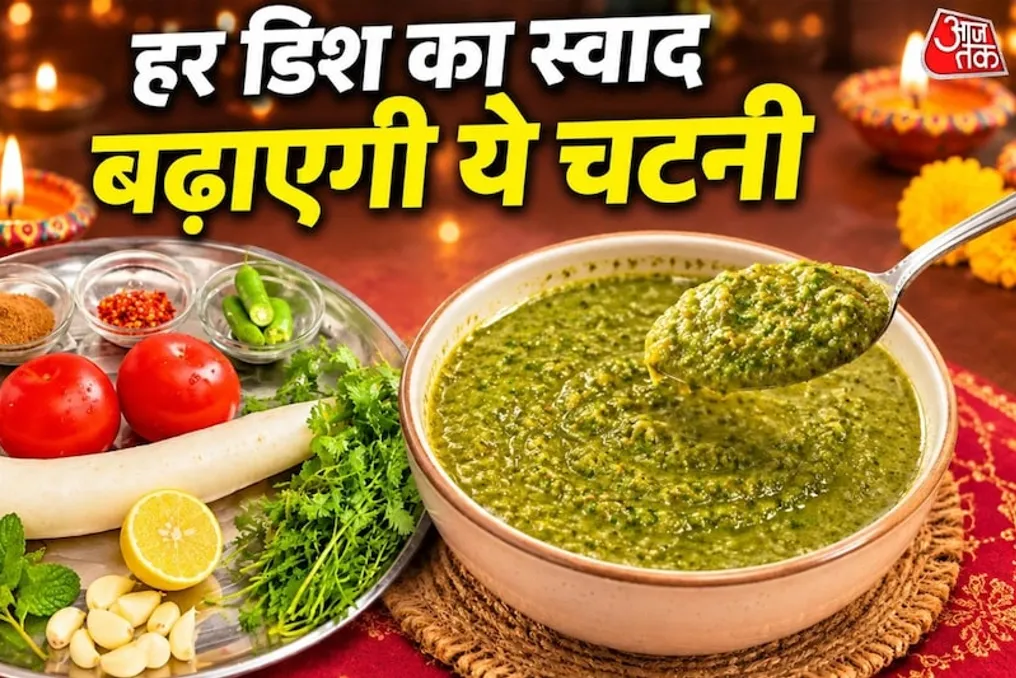
During festive days when various hearty dishes such as puri, paratha, and sweets are prepared, having a spicy and zesty sauce significantly enhances the enjoyment of the meal. Although traditionally garlic-mint and coriander chutneys are made, this time it is recommended to try making a zesty turnip chutney. Turnips are beneficial for digestion, and their spicy and zesty flavor pairs excellently with hot puris, parathas, or dishes made from dal and rice.

Below is the simplest instruction for preparing this chutney, along with secret tips.

For preparation, you will need: 2 medium turnips (grated), one bunch of mint (optional, for color and flavor), 3-4 green chili peppers (or to taste), 6-8 cloves of garlic (optional, to enhance flavor), 1-2 tablespoons of lemon juice (for tanginess) or a little amchur powder, 1 teaspoon of roasted cumin seeds, half a cup of finely chopped cilantro, salt to taste (black or regular). For preparing the tadka (tempering), you will need a little mustard oil, fenugreek seeds, and asafoetida.

To improve the taste and prevent wateriness, it is necessary to squeeze the juice from the grated turnip. First, sprinkle the grated turnip with a small amount of salt and leave it for 5 minutes, then thoroughly squeeze out all the bitter juice. Furthermore, when grinding the turnip in a blender, it should not be made into an overly fine paste; slight roughness will preserve its true flavor.

First, prepare the turnip: peel and grate it. Salt it, leave it for five minutes, and then completely squeeze out the excess moisture with both hands. Next, place the squeezed turnip, green chili peppers, garlic, mint leaves, cilantro, roasted cumin, lemon juice, and salt into the blender jar. Blend in pulses without adding water to achieve a slightly uneven consistency (it is important not to turn it into a puree).

Optionally, you can prepare the tadka: heat a little mustard oil in a small pan, add fenugreek seeds and asafoetida, and then pour this mixture over the finished chutney, mixing well.

The ready, easily digestible, spicy, and zesty turnip chutney is ready. It should be served during holidays with hot puris, parathas, or appetizers.

Alwar's honey cake is in demand abroad due to its unique taste
Read more
www.aajtak.in

Alwar's honey cake is in demand abroad due to its unique taste

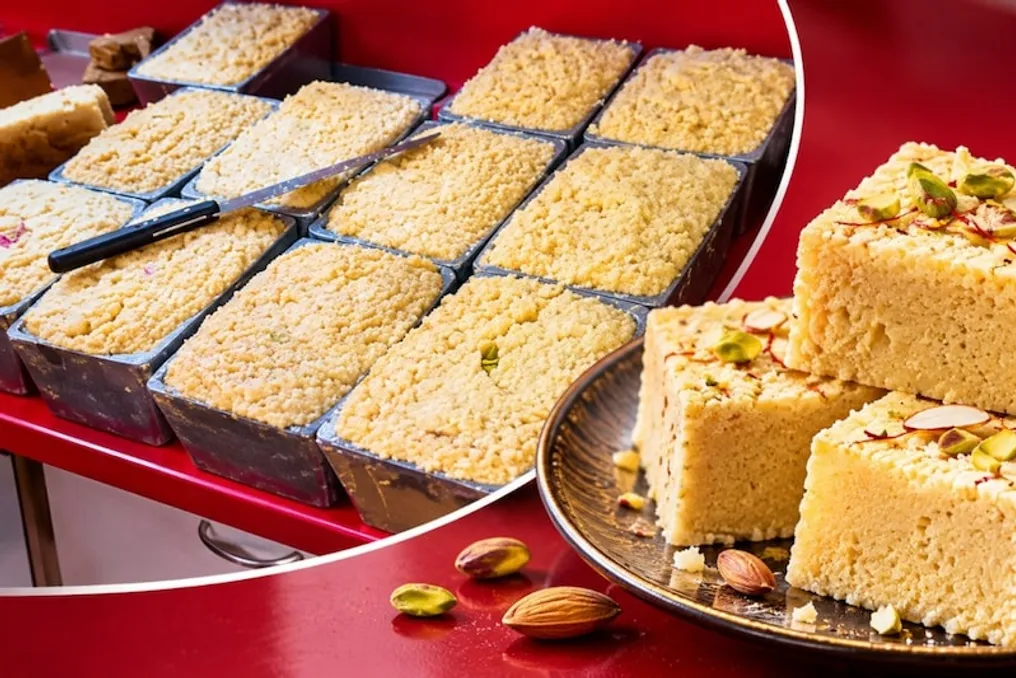
During the Diwali festival, people greatly enjoy the milk cake from Alwar. Its grainy texture distinguishes it from other sweets. The milk cake, which is made from milk, sugar, and saffron, is supplied not only within the country but also abroad, including Europe, America, Saudi Arabia, Canada, Nepal, Bhutan, and other countries. Furthermore, there is a growing demand for dried fruit sweets, as consumers prefer them to dairy products to avoid impurities in milk and whey.

Although the demand for all types of sweets is always high during festivals, the Lakkand from Alwar is considered particularly special. This Lakkand is exported not only across different states of the country but also internationally. It has a light brown outer shell, while the inside is tender and sweet.

Lakkand merchant Ashish Taneja shared the recipe for this dessert, which can be made at home. It requires 2 liters of milk, two hundred fifty grams of sugar, three to four tablespoons of ghee, lemon juice, and cardamom powder, as well as dried fruits. He explained that to prepare the Lakkand, the milk must first be brought to a boil. The milk is continuously boiled in an iron or steel pot. Then, it is curdled by adding lemon juice or khatkiri to form light granules. After this, sugar is added, and the mixture is cooked for a long time until it thickens. When the mass becomes sufficiently thick, it is placed in a setting mold.

Today, hundreds of vendors in Alwar prepare milk cake. This sweet was first introduced in 1947. Baba Takurdas, who arrived in Alwar after migrating from Pakistan, once heated milk. During the process, it curdled, and he added sugar to it, after which he prepared and allowed it to set in a container. When he tasted it after cooling, the flavor was significantly improved. Over time, this sweet was named Lakkand. Politicians, actors, and businessmen visiting Alwar come here to taste and highly appreciate the milk cake. Today, the third generation of Baba Takurdas is involved in making this milk cake.

Don't Throw Away These 5 Things During Diwali Cleaning: They Can Be Used for Home Decor and Save Money
Read more
www.aajtak.in

Don't Throw Away These 5 Things During Diwali Cleaning: They Can Be Used for Home Decor and Save Money

As the festival of Diwali approaches, preparations for cleaning and decorating begin in homes. During this cleaning, people dust every corner of their living space and often discard old items, considering them unnecessary. However, among these items are some that seem useless but can actually be used to give the home a beautiful appearance.

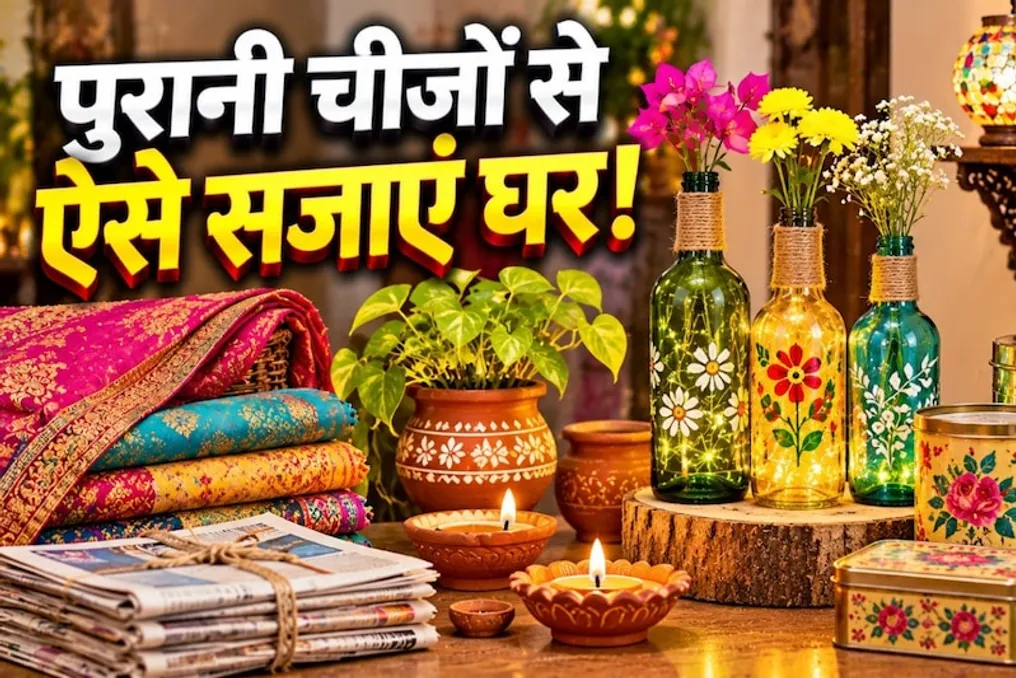
During the Diwali cleaning, many old and broken items are discovered that are usually sent directly to the trash bin. Nevertheless, there are things that can be reused to decorate your home, creating various decorative elements from them. This will not only save money on home decoration but also ensure the reuse of old items. Below are five such items that can be used to decorate the home instead of throwing them away during Diwali cleaning.

Old Glass Bottles

Empty glass bottles from juices, syrups, or other drinks often remain in the house. Instead of throwing them away during cleaning, they can be used for decorative purposes. First, the bottles should be thoroughly cleaned and dried. Then, you can apply colored paint, attach mirrors, or create beautiful patterns on them. It is advisable to place small LED garlands inside so that they illuminate a corner of the house at night, creating a very beautiful glow.

Old Oil Lamps and Clay Pottery

If you have old clay oil lamps or small pottery pieces from last year, do not throw them away as useless. They need to be washed and thoroughly dried, and then painted with acrylic paint. Patterns can be made on the lamps using gold, red, and yellow colors. Additionally, they can be decorated with small flowers or decorative beads and placed on a central table, which will give the home a traditional and elegant look.

Old Shawls and Sarees

While cleaning closets, old shawls and sarees that are no longer used as clothing are often found. Instead of throwing them away, they can be used to decorate the home. From old fabric, colorful curtains, cushion covers, table runners, and decorative door ribbons can be made. If the fabric already has embroidery or a beautiful trim, it will make the decor even more attractive.

Old Boxes and Cans

If you have old metal cans from cookies, tea, or sweets, they can also be used for decoration. A new look can be given to them by covering them with colored paper, fabric, jute twine, or painting. Small plants, artificial flowers, or garlands can be placed in these cans. Decorating the balcony, window, or entrance of the house with them will make the space more picturesque.

Old Newspapers and Magazines

A large amount of old newspapers and magazines is generated during cleaning. Instead of recycling them, decorative items can be created from them. Newspapers can be rolled up to make small baskets, flowers, wall panels, and decorative bowls. They can be painted in the desired color and placed in a corner of the house, which is an excellent way to give the home a new and attractive look with minimal cost.

Important Points to Consider

When using old items for Diwali decoration, be sure to clean them thoroughly. Sharp edges of glass bottles and metal cans must be protected. Caution should also be exercised when using electrical lighting in the decor.

Popular