ISRO Successfully Launches NVS-03 Satellite, Restoring Functionality of Indian GPS NAVIC System
Read more
Aaj Tak
www.aajtak.in

ISRO Successfully Launches NVS-03 Satellite, Restoring Functionality of Indian GPS NAVIC System

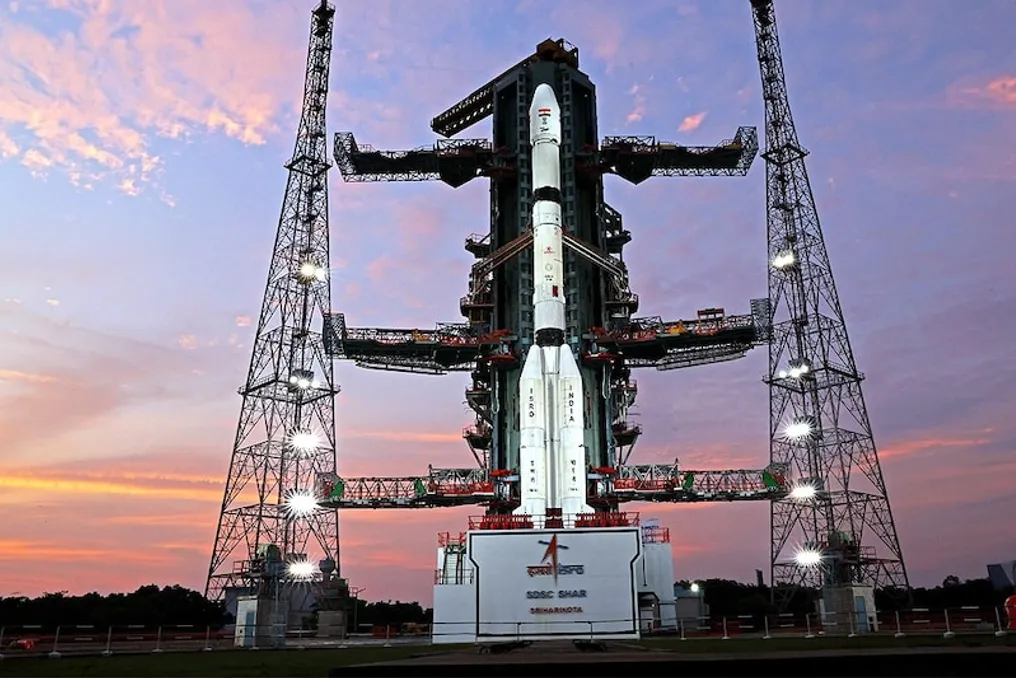
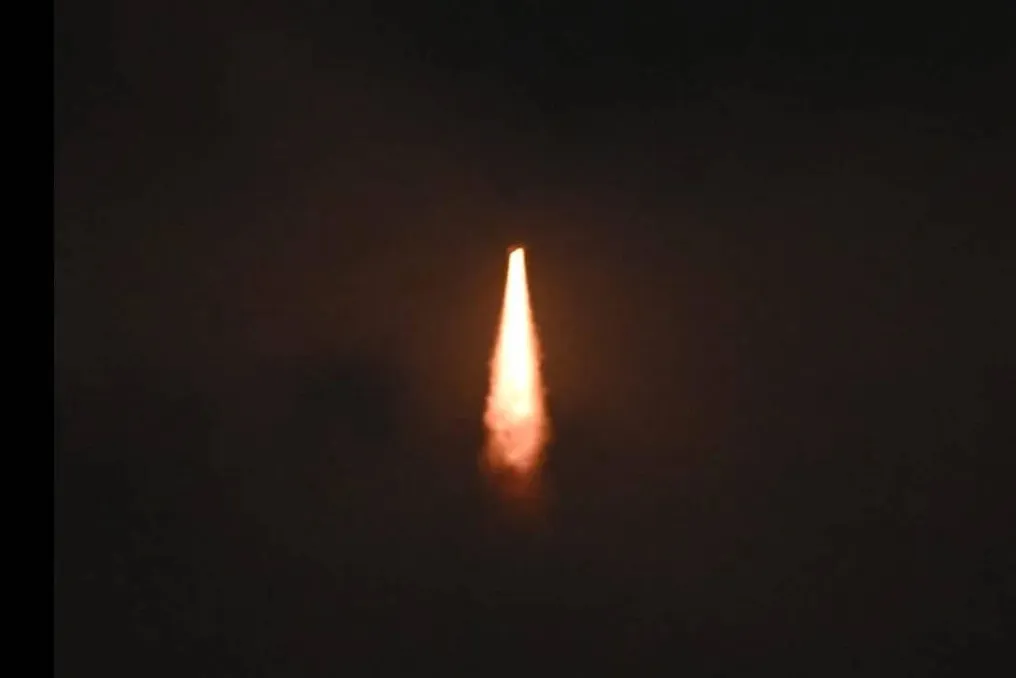
The Indian Space Research Organisation (ISRO) successfully launched the NVS-03 satellite on October 30, 2026, from the Sriharikota spaceport using the GSLV-F18 rocket. After three precise maneuvers, the satellite was placed into a geostationary orbit at a longitude of 111.75 degrees east.

Thanks to this success, India's national navigation system, NAVIC (Navigation With Indian Constellation), has returned to a state where at least four satellites are operational. This will ensure reliable positioning, navigation, and time synchronization services across the entire territory of India and within a 1500-kilometer radius of its borders. This achievement strengthens the country's space potential.

The NVS-03 satellite is equipped with third-generation indigenous rubidium atomic clocks, which contribute to highly accurate time measurement. Furthermore, L1-band signals are available on board, which are important for civilian use. The satellite has a service life of at least 12 years. It will be used not only for civil applications, such as train tracking, but also for national security purposes. Previously, the NAVIC system suffered due to the failure or end-of-life of some satellites, but the introduction of NVS-03 has eliminated this deficit and increased reliability.

ISRO Chairman V. Narayanan stated that this satellite will reduce dependence on foreign navigation systems. Instead of relying entirely on external systems like GPS, India is actively developing its own powerful network. The NAVIC system enhances self-sufficiency in both military and civilian spheres.

The application of the satellite is of great importance in areas such as navigation in border regions, maritime navigation, disaster management, and agriculture. This is another significant step in India's rapidly growing space sector, demonstrating its technical capabilities to the world. The return of the NAVIC system to a minimum level of four satellites is strategically important as it strengthens both national security and civil convenience. The development of indigenous atomic clocks is a testament to India's technical competence.

In the future, with the addition of new satellites, NAVIC will become even more accurate and comprehensive. Overall, the successful operation of NVS-03 serves as an example of the continuous success and self-reliance of India's space program, which will serve as a foundation for future great achievements.
Similar stories

Isro GSLV-F18/NVS-03 Mission Successful: Next-Generation Navigation Satellite Launched into Orbit, Strengthening NavIC Constellation
Read more
timesofindia.indiatimes.com

Isro GSLV-F18/NVS-03 Mission Successful: Next-Generation Navigation Satellite Launched into Orbit, Strengthening NavIC Constellation

India's regional satellite navigation system, NavIC, has received a significant boost following the successful launch of the NVS-03 satellite. This launch was conducted by the Indian Space Research Organisation (Isro) on the night from Friday to Saturday.

The GSLV-F18 rocket, which carried the 2250 kg NVS-03 satellite, took off from the second launch pad of the Satish Dhawan Space Centre (SDSC-SHAR) in Sriharikota at 23:51 on Friday as scheduled. This marked the twentieth flight of the Geosynchronous Satellite Launch Vehicle (GSLV). Approximately 18 minutes after liftoff, the NVS-03 satellite was placed into a Geostationary Transfer Orbit (GTO) with an apogee of 37,023 km and a perigee of 170 km.

NVS-03 is the third satellite in Isro's next-generation navigation system, designed to ensure continuous services within the Indian Regional Navigation Satellite System (IRNSS), known as NavIC. The satellite is equipped with both domestic and acquired atomic clocks. Furthermore, it transmits an L1 frequency signal in addition to the existing L5 and S-band signals.

NavIC is India's independent regional satellite navigation system, intended to provide Positioning, Navigation, and Timing (PNT) services across the country and in a zone extending approximately 1500 km beyond the Indian subcontinent. The addition of the L1 signal, alongside existing signals, is expected to enhance compatibility with other satellite navigation systems and expand NavIC's civil applications.

The NVS-03 mission aligns with Isro's plan to deploy five second-generation navigation satellites—NVS-01 through NVS-05—to augment the existing NavIC constellation and improve the reliability and continuity of navigation services. The launch is crucial because NavIC previously could not provide autonomous positioning services due to a shortage of operational satellites.

Previously, on July 29, Minister of State for Space Affairs Jitendra Singh stated in a written reply to the Lok Sabha that the constellation had only three satellites providing PNT services, whereas a minimum of four is required for basic services. Although the timing service remained operational, the commissioning of NVS-03 could help restore autonomous positioning capability. The Minister noted at the time: 'Since NavIC is used in an environment with multiple constellations for most use cases, users are not vulnerable. The next NavIC satellite, NVS-03, is ready for launch, and two more satellites, NVS-04 and NVS-05, are in advanced stages of development.'

The constellation issue arose after the failure of NVS-02, which was launched on January 29, 2025, but failed to execute orbital insertion maneuvers. The Isro committee found that the electrical signal did not reach the pyrotechnic valve in the satellite's oxidizer line, preventing the ignition of the propulsion system and the achievement of the planned orbit. This failure prompted Isro to implement corrective measures for subsequent missions.

The first satellite of the second generation series, NVS-01, was launched aboard GSLV-F12 on May 29, 2023, and was the first in this series to be equipped with domestic atomic clocks.

ISRO launches NVS-03 satellite with GSLV-F18 mission to strengthen NavIC system
Read more
www.aajtak.in

ISRO launches NVS-03 satellite with GSLV-F18 mission to strengthen NavIC system

Satellite systems are used for navigation, determining the location of vehicles, or determining the course of ships. Many countries around the world rely on the American GPS system, but India is actively developing its own navigation network.

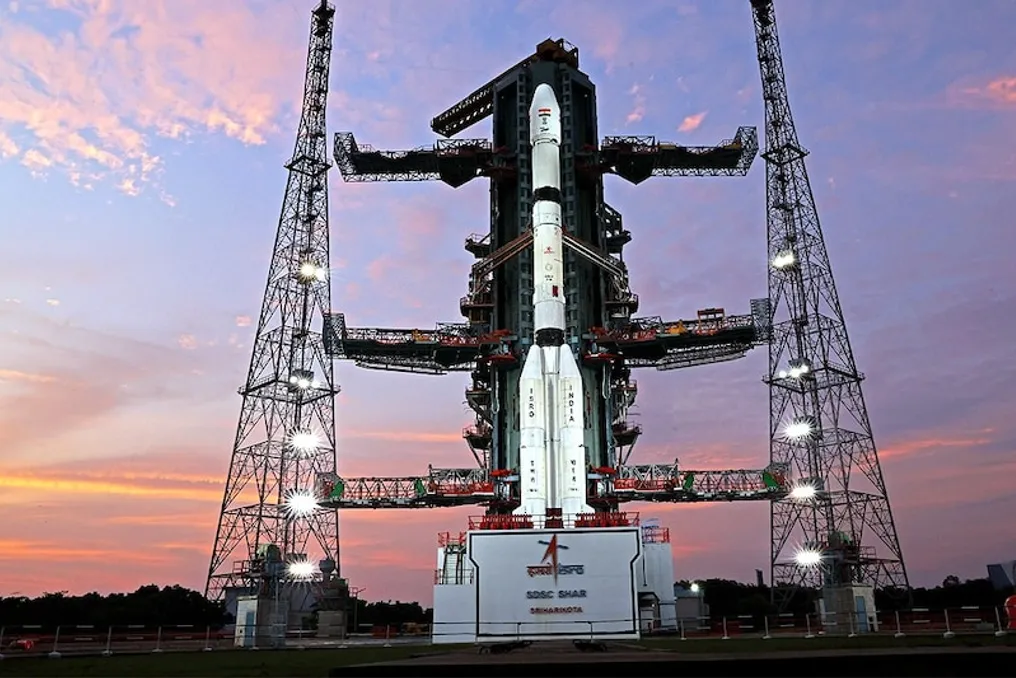
As part of this initiative, ISRO plans to launch the NVS-03 satellite on October 30, 2026, at 23:51. The launch will be carried out from the Satish Dhawan Space Centre in Sriharikota, Andhra Pradesh, using the GSLV-F18 launch vehicle.

The main objective of this mission is the further improvement of India's national navigation system—NavIC. NVS-03 is the third satellite of the new generation of NavIC. It is equipped with indigenous atomic clocks and additionally includes the L1 signal. This will improve location and route information services within India.

GSLV stands for Geosynchronous Satellite Launch Vehicle. It is an ISRO rocket designed to place heavy satellites into orbit. GSLV-F18 will be the twentieth flight of this rocket. With the help of GSLV-F18, the NVS-03 satellite will be delivered to the Geostationary Transfer Orbit (GTO). The rocket consists of three stages: the first uses solid fuel, the second uses liquid fuel, and the third uses a cryogenic engine that runs on liquid oxygen and liquid hydrogen. After reaching GTO, the satellite transitions to the operational orbit independently.

NVS-03, as the third satellite of India's new navigation system, is designed to ensure continuous operation and enhance the quality of NavIC services. The most significant element of the satellite is the patented atomic clock unit, supplemented by external atomic clocks acquired from abroad. Accurate time is critical for navigation systems because it allows satellites to determine the coordinates of a person or vehicle.

Furthermore, NVS-03 includes the L1 signal. Currently, NavIC uses L5 and S-band signals. The addition of the L1 signal will simplify the integration of NavIC with other navigation systems, helping to expand the system to a larger number of devices.

NavIC, which stands for Navigation with Indian Constellation, is India's proprietary navigation system, similar to the American GPS. It provides location, route, and time information. The NavIC system is designed to serve the entire territory of India and a zone approximately 1500 kilometers outside it, making the information accessible to the general public.

The system offers two types of services: Standard Service, available to all citizens, and Restricted Service, intended exclusively for governmental needs and security.

Strengthening NavIC will benefit the population by assisting with orientation and location determination. The system is applicable in mobile devices, cars, trains, ships, and aviation. It can also be useful in agriculture when using drones, for assisting fishermen at sea, and for rapid response by rescue teams in emergencies. For the military, having its own navigation system is extremely important as it increases confidence in India's indigenous technology and reduces dependence on foreign systems.

US GPS is one of the most widespread navigation systems globally, alongside systems from Russia, China, and Europe. Although NavIC functions similarly, its primary services are oriented towards India and surrounding regions. The launch of NVS-03 will strengthen India's national navigation infrastructure, contributing to reduced reliance on foreign systems regarding location and time, especially in defense and security. It is emphasized, however, that the use of GPS will not cease entirely; GPS and NavIC can be used together, and this mission contributes to achieving India's self-sufficiency in this area.

Popular