Plastic bottles, old newspapers, and cardboard boxes accumulate in many homes, eventually being thrown out with the trash. However, in Bhopal, there is an opportunity to turn this pile of waste into a full meal.
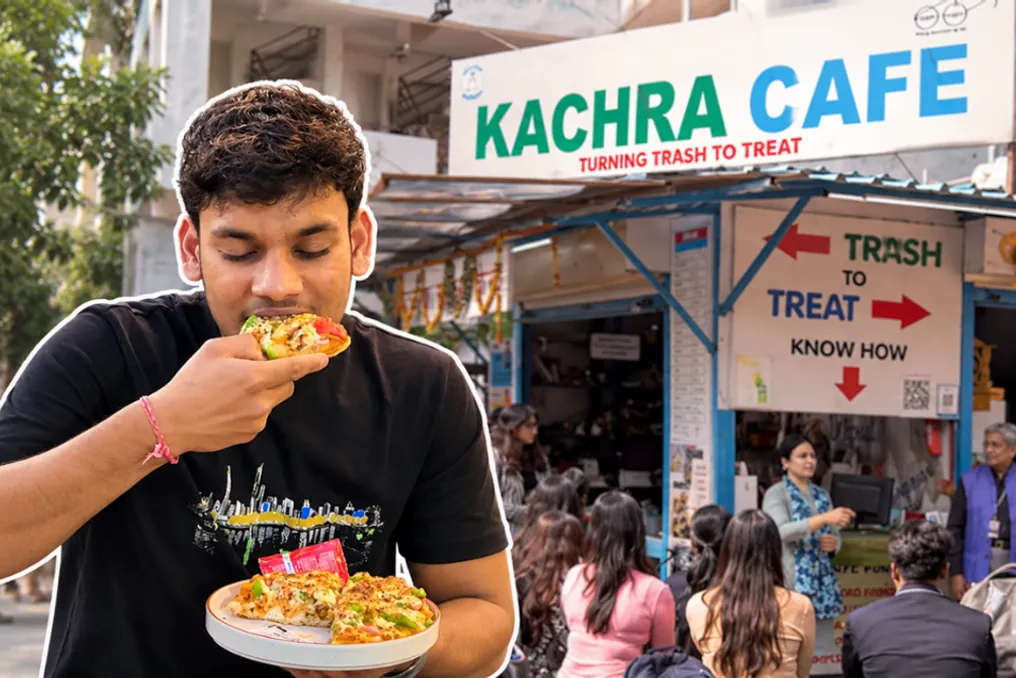
Housewife Anjita Sabhlok is realizing this idea through 'Kachra Cafe,' where visitors can exchange household waste for food, drinks, and essential items. In just eight months, the cafe has directed over 45 tons of waste for recycling.
This initiative was launched by Anjita Sabhlok through her NGO 'Mannat' in collaboration with the Bhopal Municipal Corporation. The concept is based on a simple principle: waste has value, and people are more willing to manage it responsibly when they see that value directly.
For years, Anjita worked through 'Mannat,' educating people about waste management and ecology. Nevertheless, mere awareness raising proved insufficient to achieve the desired changes.
She asked herself: 'We educate people, but are we truly seeing changes?' This question prompted her to consider a different approach. Instead of simply demanding responsible waste disposal from people, she decided to give them an incentive to collect and sort.
Thus, the idea of 'Kachra Cafe' was born, where people bring plastic, paper, and other household waste in exchange for food and necessary goods. A fixed price is set for every kilogram of waste, making the exchange simple for anyone who brings collected materials.
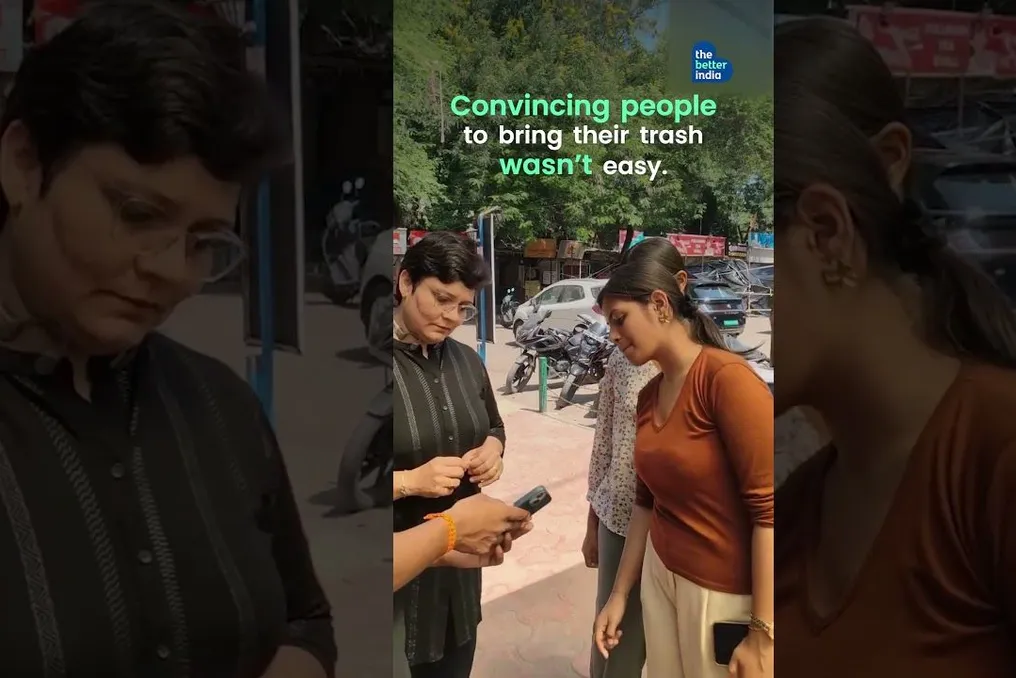
Initially, attracting people to bring waste to the cafe was not easy. Changing daily habits takes time, especially when waste is usually perceived as something to be thrown away, not collected.
Over time, awareness increased. People began bringing their trash to the cafe, learning to sort different materials and helping ensure that collected waste enters recycling channels. In eight months, the cafe facilitated the sending of over 45 tons of waste for recycling. This figure demonstrates the potential that can be achieved when an environmental message is combined with practical action accessible in daily life.
Instead of relying solely on information campaigns, the cafe provides residents with a direct way to participate. They can start with the waste generated in their own homes and see how that waste is used differently.
For Anjita, this concept is not limited to one cafe in Bhopal. She aims for other cities to recognize that waste is not useless and to explore ways to encourage people toward better management of it.
'Kachra Cafe' combines two basic needs: finding a responsible place for household garbage and ensuring access to food or essential items through exchange. Next time a mountain of plastic or paper accumulates at home, it is worth thinking twice before throwing it away. In Bhopal, this waste can become the very element that provides you with food.