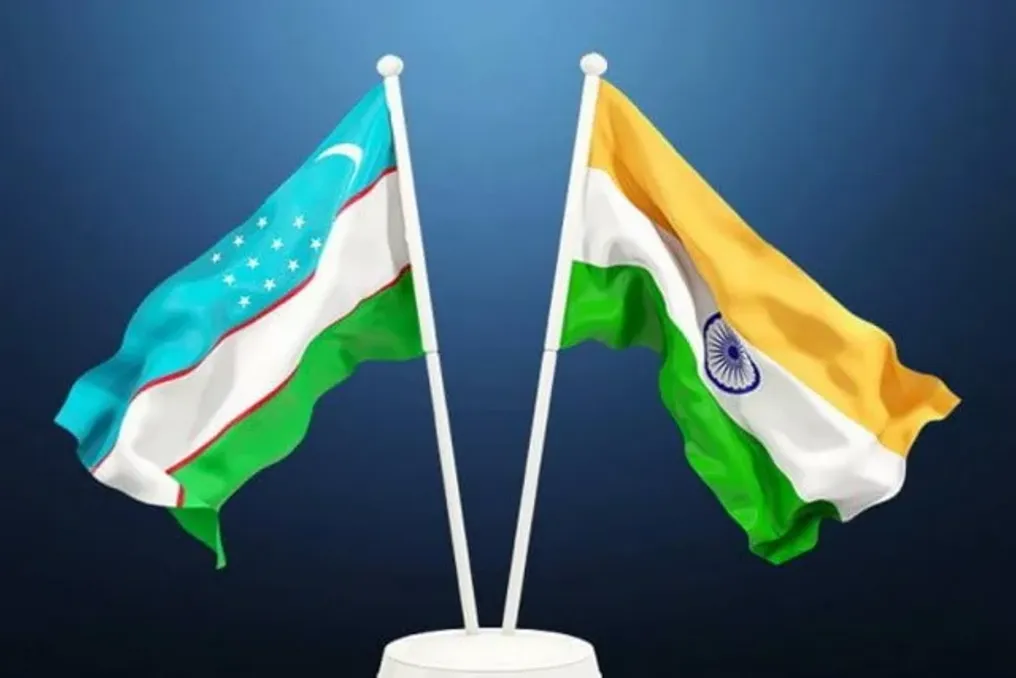
India urges students to verify medical universities in Uzbekistan against standards
Read more
UzDaily
uzdaily.uz

India urges students to verify medical universities in Uzbekistan against standards

The Indian government strongly recommends that students planning to pursue medical education in Uzbekistan thoroughly examine the universities and their curricula to ensure compliance with the requirements of the country's National Medical Commission (NMC).

The Ministry of External Affairs of India continues dialogue with Uzbekistan regarding the education of Indian students, including those studying medical programs. Randhir Jaiswal, a representative of the Indian Ministry of External Affairs, stated that New Delhi aims to guarantee that the education received meets NMC standards.

These remarks were made by Jaiswal during a regular press briefing in New Delhi on Tuesday, in response to a question about the decline in the number of Indian citizens enrolling in MBBS programs in Uzbekistan.

He reported that India maintains contact with Uzbek authorities and advised prospective applicants to consult the guidelines published by the Indian Embassy in Tashkent and the National Medical Commission. These recommendations apply to enrollment in medical programs not only in Uzbekistan but also in other countries.

The representative emphasized that the Indian government pays special attention to the quality of medical education and protecting students from potential exploitation by unscrupulous intermediaries and other individuals both in India and abroad.

In April, the NMC released a guideline for Indian applicants planning to receive basic medical education in Uzbekistan. The Commission referenced cases where Indian citizens enrolled in private medical colleges abroad whose programs and learning conditions did not meet the requirements established in India.

The NMC urged potential students to check the status of educational institutions and avoid enrolling in unauthorized institutions or programs that do not comply with regulatory standards. The Commission warned that failure to meet the established requirements could lead to the refusal of medical qualification registration in India.

Mandatory criteria include the duration of study, language of instruction, curriculum content, volume of clinical training, as well as the conditions for completing internships or clinical practice.
Similar stories

Students of technical colleges in Uzbekistan will be able to participate in the Work and Travel program starting from 2026/2027
Read more
uzdaily.uz

Students of technical colleges in Uzbekistan will be able to participate in the Work and Travel program starting from 2026/2027

According to Cabinet of Ministers Resolution No. 604 dated October 31, 2026, students of technical colleges in Uzbekistan will have the opportunity to participate in the international Work and Travel program starting from the 2026/2027 academic year.

This provision applies to students studying under secondary and specialized secondary vocational education programs. Participants in the program will also be able to apply for loans to cover expenses related to trips abroad, including transportation and other costs.

Opportunities to participate in the Work and Travel program will be available for trips to countries such as European Union member states, South Korea, Japan, the United Kingdom, the United States of America, Canada, Australia, and New Zealand.

Furthermore, this resolution provides for the expansion of the EMIS RT professional education management system. This system will contain detailed information about technical colleges, including their names, addresses, and codes, as well as information on professions, specializations, forms and stages of study, student status, and academic performance.

Additionally, the Migration Service undertakes to conclude agreements with foreign employers annually by March 1st. These agreements are intended to organize the participation of technical college students in foreign Work and Travel programs.

Tashkent universities are forcing students to install the 'Havfsiz Talaba' application
Read more
podrobno.uz

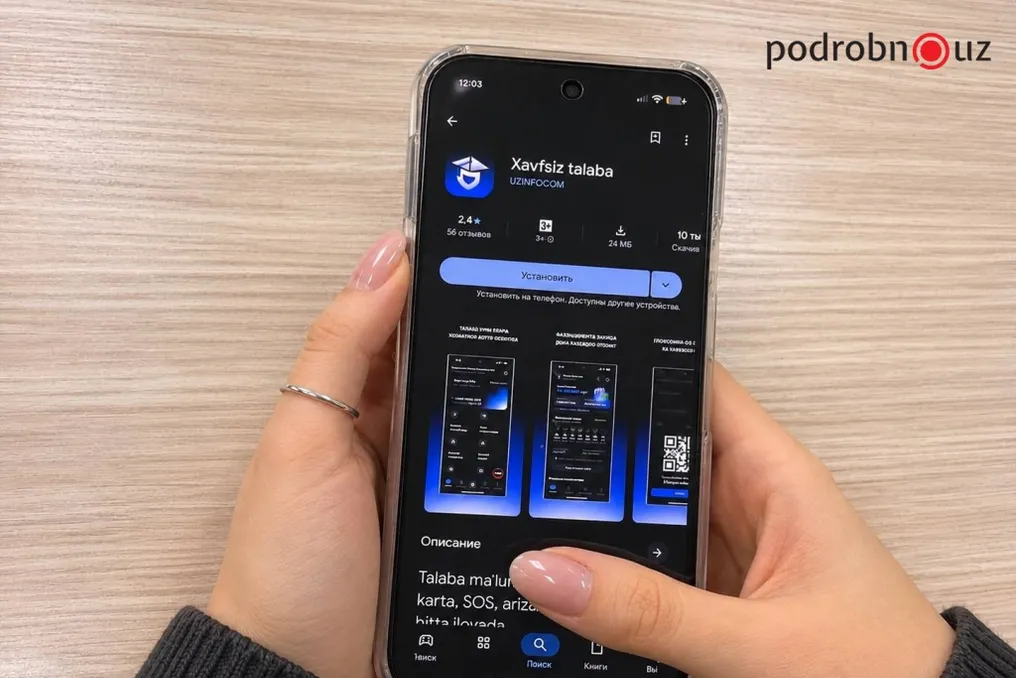
Tashkent universities are forcing students to install the 'Havfsiz Talaba' application

Students from the Uzbek State University of World Languages and the University of World Economy and Diplomacy report being compelled to install the 'Havfsiz Talaba' application at educational institutions in Tashkent. According to the students, the requirement to download this program is voiced both upon entering the universities and during classes, and those who refuse face reprimands. This situation has drawn public attention and sparked active discussion on social media.

A student from the Uzbek State University of World Languages stated that on November 3rd, they were stopped and asked to install the application upon entering the university. They added that those who were late for classes due to this procedure were marked absent. Furthermore, during lectures in classrooms, deans, their deputies, and tutors appeared, insisting on the program's installation, and those who refused were admonished.

Similar demands are also coming from students at the University of World Economy and Diplomacy. One student reported that for about two weeks, they have been asked to install this application, and on November 3rd, this demand was reiterated before the entire group.

Sources familiar with the matter confirm that students are indeed being asked to install the application. The reason given is the 'necessity to ensure their safety and protect them from possible threats.' However, the students question the legality of such requirements, raising questions about the right of universities to dictate the installation of programs on personal mobile devices and the possibility of punishing those who disagree.

The functionality of the 'Havfsiz Talaba' application is largely similar to the existing HEMIS system, which allows students to view schedules, receive academic information, and make contract payments. The key difference in the new application is the feature for quickly calling emergency services via the number 102.

This situation draws parallels with a previous case involving the APK Qo‘riqchi application, which was previously offered to residents of Uzbekistan. In September 2026, residents of a mahalla in the Mirabad district of Tashkent expressed concern about an upcoming meeting with prevention inspectors. According to available information, law enforcement agencies planned to gather residents in the yard to assist with the application installation. Residents were also wary of the necessity of attending the meeting and downloading the program, which raised questions about personal data confidentiality.

At the Mirabad district hokimiyat, it was explained at the time that installing APK Qo‘riqchi was voluntary, and meetings were held solely for informational and explanatory purposes. In October, a video appeared on social media where a high school student from Tashkent described how she was stopped by people who identified themselves as National Guard employees. According to her, she was asked to scan a QR code and install APK Qo‘riqchi, after which she was photographed with her phone. This post triggered a discussion about the voluntariness of installation and the grounds on which employees offered the program to minors, although no official response was provided on this issue.

Uzbekistan is considering the introduction of a health technology assessment system
Read more
uzdaily.uz

Uzbekistan is considering the introduction of a health technology assessment system

Uzbekistan is studying the possibility of introducing a Health Technology Assessment (HTA) system to improve the quality of decision-making in healthcare and ensure more effective use of available resources.

Discussion of the Initiative

This initiative was discussed during a meeting between Abdulla Azizov, Director of the Agency for the Development of Medical and Pharmaceutical Industry, and Gavin Surghi, an expert in the implementation and development of HTA systems. The negotiations focused primarily on the organizational structure of a potential national HTA system, options for its phased launch, and international experience in this field.

The participants examined in detail issues of assessing the clinical effectiveness and economic viability of medicinal products. Furthermore, they studied methods for more rational allocation of medical resources and the application of transparent, evidence-based criteria when making decisions about reimbursing pharmaceutical products.

The discussion also touched upon the need to train qualified specialists capable of supporting the development and functioning of the health technology assessment system. The meeting also addressed the importance of strengthening cooperation between relevant state bodies and creating effective mechanisms for the expertise of medical technologies.

The proposed approach will be based on international practices, while also taking into account the specific features and requirements of the Uzbekistani healthcare system. These discussions are part of Uzbekistan's process of examining how health technology assessment can assist in decisions regarding medication use, healthcare financing, and resource allocation.

Popular