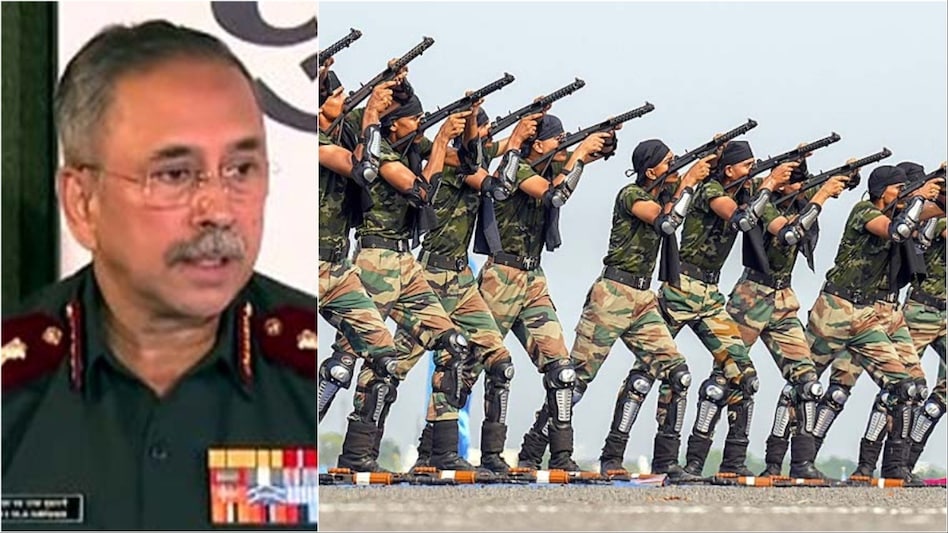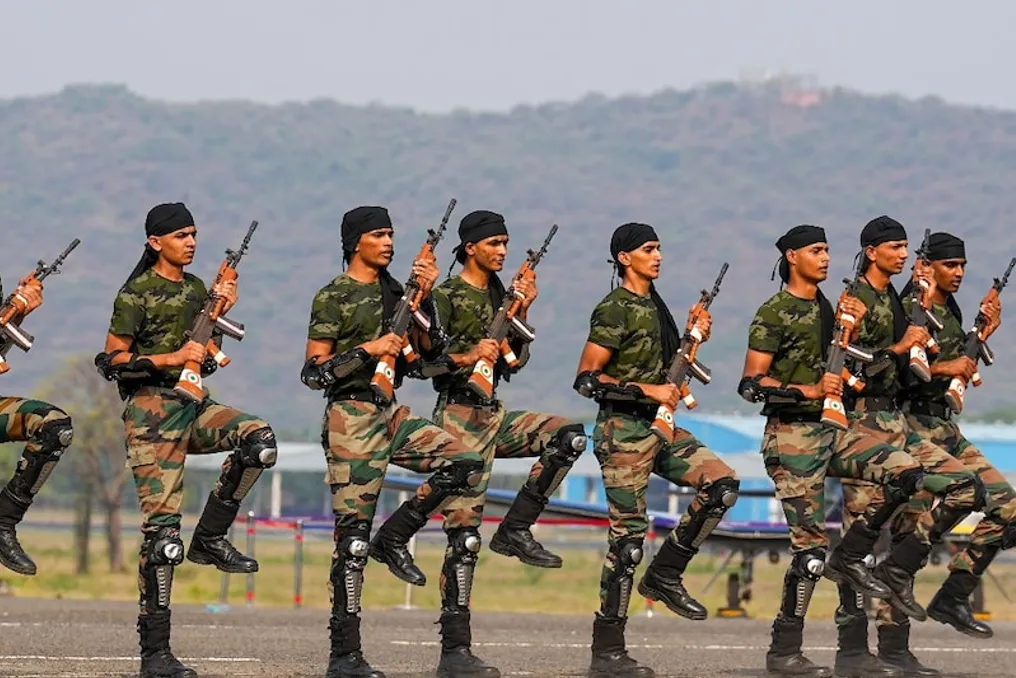
After completing the four-year term of service under the Agnipath program, not all Agniveers remain in the army as regular servicemen. According to established procedures and organizational needs, up to 25 percent of them may be included in the permanent force. The remaining servicemen return to civilian life, which raises questions about the benefits provided to them, such as pension, allowance, or quotas for government service.
Service Fund Payment
Agniveers who served four years under the Agnipath scheme are paid a one-time service fund package. This package includes the amount contributed by the Agniveer themselves, as well as an equivalent amount from the state, taking into account applicable interest. According to data published at the beginning of the program, the size of this package was approximately 11.71 million rupees. The Agniveer's contribution was estimated at about 5.02 million rupees, and the state's contribution was an equal amount. Since this is a one-time payment and not a monthly pension, the final amount may change due to interest accrual. It is important to note that this package is exempt from income tax.
Pension and Allowance Issues
Agniveers leaving the army after four years of service do not receive a pension or allowance similar to those granted to regular soldiers. The government initially clarified that the right to a pension and allowance is not provided to servicemen who complete their service under the Agnipath program. However, for those Agniveers who are selected for the permanent force, the service conditions are different: they must serve a minimum of 15 years, after which they become eligible for a pension and other benefits available to regular servicemen.
Insurance Coverage During Service
During the four years of military service, Agniveers are provided with an untaxed insurance coverage of 4.8 million rupees. This insurance does not require the serviceman to pay additional contributions. Nevertheless, this coverage is valid only during the period of service. It automatically ceases upon discharge. In case of death or disability while performing duties, financial assistance and other benefits may be provided according to separate rules depending on the nature of the incident and government norms.
Opportunities in Government Service
To assist Agniveers in employment after completing their service, the government has centrally provided quotas and relaxations regarding age limits when applying for jobs in certain government structures. The Ministry of Home Affairs announced that in July 2026, 50 percent of vacancies for constable (general duty) and rifleman positions in the Central Armed Police Forces (CAPF) and Assam Rifles will be reserved for former Agniveers. Additionally, a three-year reduction in the maximum age limit will be provided. The first batch of Agniveers will receive a five-year reduction. These positions are also exempt from requirements regarding physical standards, physical fitness, and written exams, but candidates must meet the other requirements and rules of the respective competition for employment.
Quotas in the Railway Sector
Indian Railways has set quotas for former Agniveers: 10 percent for Level-1 positions and 5 percent for Level-2 and above positions. Recruitment for these positions is carried out through the respective railway recruitment boards and centers, and candidates must undergo the prescribed procedure and meet the criteria.
Skill Certificates and Education
During military training, Agniveers are taught not only military skills but also technical and other professional competencies. Upon completion of service, they are issued a skill certificate confirming their qualification and experience, which helps them seek employment in the private or public sector outside the army. Furthermore, the Ministry of Skill Development and Entrepreneurship has entered into agreements with NIOS and IGNOU to enhance the educational level of Agniveers. Under these agreements, eligible Agniveers are given the opportunity to obtain certificates of secondary and higher secondary education, as well as a bachelor's degree. The government also provides priority allocation of MSME loans to support small business startups for Agniveers leaving service.
Differences in Benefits
It is important to understand that although Agniveers completing their service receive a service fund, skill certificates, and employment opportunities, they are not entitled to a pension and allowance like regular soldiers. The service conditions for those who enter the permanent force are different. Therefore, when assessing the benefits of Agniveers, it is necessary to distinguish between servicemen discharged after four years and those who remain in the regular army. Quotas and relaxations in government service are applied according to the rules of the specific competition and available vacancies.