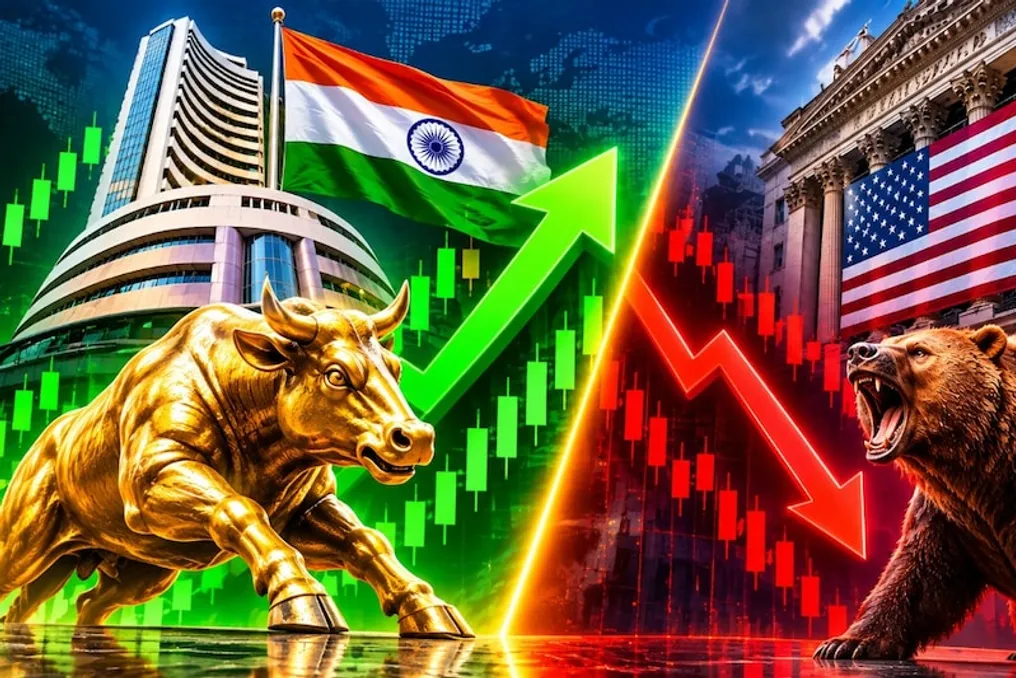
Following the results of the midterm elections in the US, increased enthusiasm is observed on stock exchanges, and American markets are showing signs of significant growth. Similar growth is also noted in Asian markets. However, in India, this growth is driven not only by the results of the US elections but also by falling crude oil prices and expectations of a reduction in Long-Term Capital Gains (LTCG) tax.
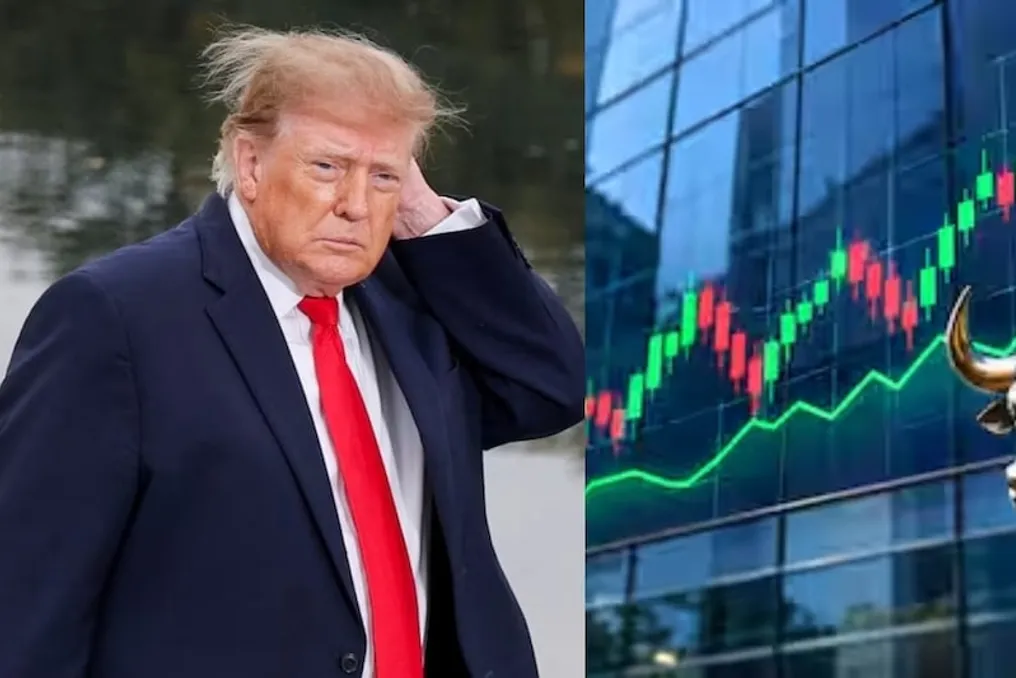
During the 2026 US elections, Donald Trump's Republican Party suffered a serious defeat. The Democratic Party gained a majority in both chambers of the American parliament—the Senate and the House of Representatives. This is interpreted as an expression of voter dissatisfaction with the Trump administration. Previously, Democrats led in the House of Representatives with 224 out of 435 seats and in the Senate with 54 seats.
These results triggered a rise in the American market. The Dow Futures index shows a remarkable increase, rising by 770 points or 1.49 percent to 52,557. It should be noted that before the results were announced, this index fell by one percent but then recovered by approximately two percent from its low point.
Significant growth was also recorded in the Chinese market, where the index rose by 2.16 percent to 3,686.17, and the Hang Seng index saw a growth of 1.67 percent. Furthermore, the Kospi showed a growth of 0.62 percent, and the UK market grew by 0.30 percent.
The Indian market also demonstrated steady growth in the main indices Sensex and Nifty. The reason for this was the decrease in crude oil prices by about one percent and growing expectations of LTCG reduction. Nifty increased by 100 points, while Sensex grew by more than 350 points.
The results of the US midterm elections indicated an important shift in the future. Analysis of data from the past 11 periods since 1982 shows that in eight cases, the American benchmark index S&P 500 showed an average positive return of 10 percent over the following three months. ICICI Direct reported that in India, the stock index showed an average positive return of 12 percent in six cases since 1982.
Tanay Dalal, Senior Vice President of Economic Research at Axis Bank, noted that the Democrats' victory in the US midterm elections appears more convincing than many experts expected, and some traditionally strong Republican bastions are under pressure. He suggested that one possible consequence could be the adoption of a more divided approach to artificial intelligence (AI) regulation. For India, this could be a positive development, as a less unified regulatory environment can support demand for export business services and outsourced technology.