Master Chef Ranavir Barar shares recipe for Afghan paneer cheese for holidays
Read more
Aaj Tak
www.aajtak.in

Master Chef Ranavir Barar shares recipe for Afghan paneer cheese for holidays

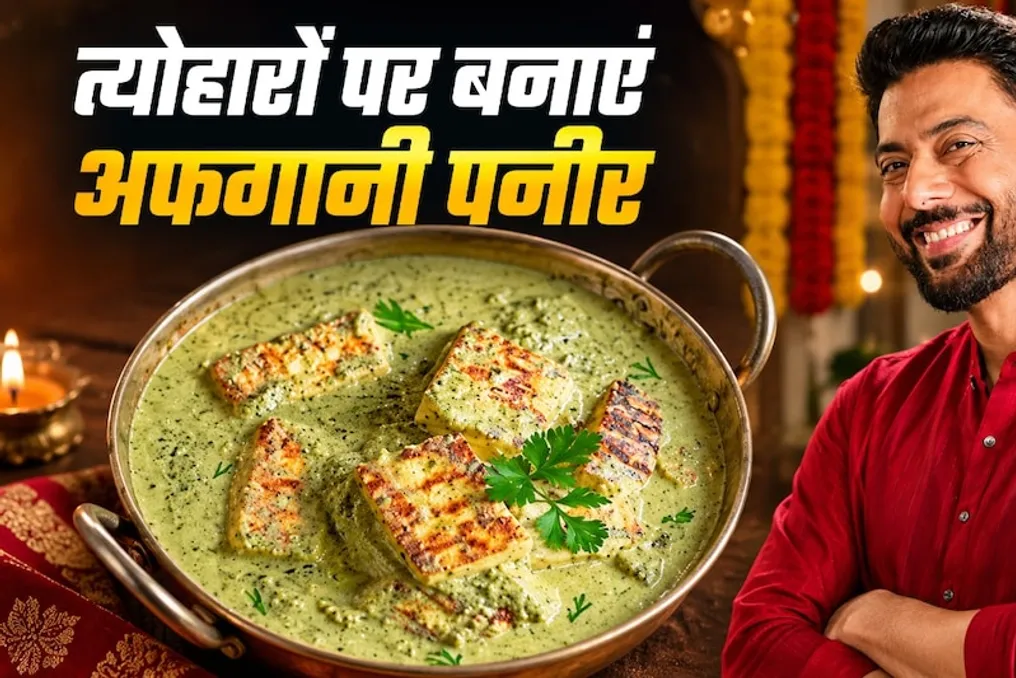
If you are tired of preparing regular matar paneer or kadrai paneer during major holidays such as Diwali and Bhai Dooj, it is worth trying something new and exquisite. Master Chef Ranavir Barar suggests making a delicate, creamy, and very tasty Afghan paneer.

This dish features a special sauce made without tomatoes, using yogurt, cashew nuts, fresh coriander, and whole spices. Pieces of paneer are lightly fried or grilled before being added to the sauce. Afghan paneer pairs perfectly with hot puffs or paratha on a festive day.

The following ingredients are required for preparation: 1 ½ tablespoons of oil, 3-4 green chilies, 1 inch of ginger, 2-4 cloves of garlic, ⅓ cup of coriander leaves, 1 tablespoon of oil, 3 medium white onions, salt to taste, ¼ cup of coriander leaves, 3 tablespoons of whisked yogurt.

For the paste, ½ cup of whisked yogurt, 1 tablespoon of coriander powder, ½ teaspoon of turmeric powder, ½ teaspoon of garam masala, and a pinch of cumin seed powder are needed.

For marinating the paneer, 400 grams of paneer cut into long cubes, 1 tablespoon of oil, ½ teaspoon of black pepper, a pinch of asafoetida, ½ teaspoon of ginger and garlic paste (optional), and ½ tablespoon of finely chopped coriander stems are required.

For the Afghan paneer itself, 1 tablespoon of oil and 1 tablespoon of ghee, 2 cardamoms, and ½ inch of cinnamon stick are needed. A prepared yogurt mixture, ¼ cup of water, 1 teaspoon of oil for frying the paneer, and the prepared sauce, a pinch of crushed dried fennel leaves, sliced paneer, and coriander leaves are also used for garnish.

To prepare the paste, first heat the oil in a pan, then sauté the green chilies, ginger, garlic, and fresh coriander until cooked. Transfer the mixture to a bowl. In the same pan, heat the oil, add the white onion and salt, as well as coriander, frying until translucent. This mixture is also transferred to a bowl. Then, yogurt is added to it and blended in a blender until a smooth paste is obtained, which is set aside for later use.

For the yogurt mixture, mix the prepared paste, yogurt, coriander powder, turmeric powder, garam masala, and a pinch of cumin seed powder in a bowl. Mix the mixture thoroughly and set it aside.

For marinating the paneer, mix the paneer with oil, black pepper, a pinch of asafoetida, ginger and garlic paste (if used), salt, and soft coriander stems. Marinate the mixture well.

To cook the Afghan paneer itself, heat the oil and ghee in a pot or deep dish, add the cardamom and cinnamon, allowing them to sizzle. Then pour in the prepared yogurt mixture and simmer for some time. Add water as needed to achieve the desired sauce consistency. Pour the sauce into a serving dish, sprinkle with dried fennel leaves, arrange the prepared paneer, and garnish with fresh coriander. Serve hot with bread.

Fry the paneer separately: heat oil in a pan, add the marinated paneer, and fry until golden brown. It can be served on top or eaten on its own.
Similar stories

Recipe for Sweet Cornmeal Halva with Oil and Palm Sugar
Read more
www.aajtak.in

Recipe for Sweet Cornmeal Halva with Oil and Palm Sugar

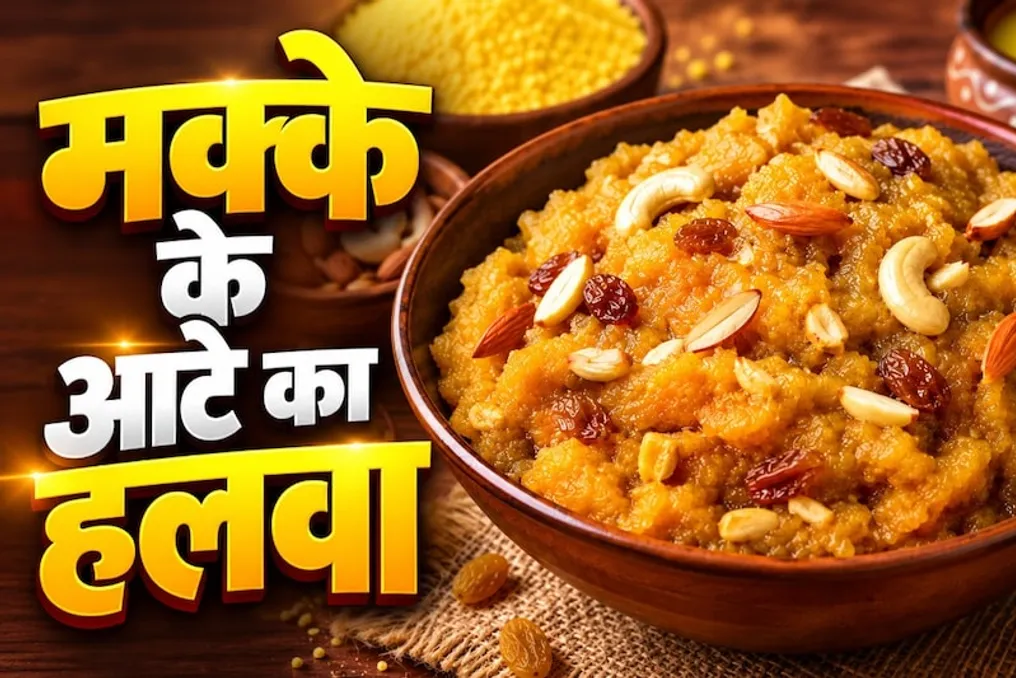
During the cold season, besides traditional corn flatbreads, you can prepare delicious cornmeal halva. This dessert, made using ghee, palm sugar, and dried fruits, is distinguished by its excellent taste. The article offers a simple recipe for making this treat at home.

If you are craving something sweet and warm in winter, you can make cornmeal halva. Although cornmeal is usually used to make flatbreads, it also makes a very tasty halva. This dessert, made with ghee, palm sugar, and dried fruits, is not only delicious but also easy to prepare. It can be made when you have a sweet tooth or for a special occasion.

If you are tired of usual semolina or legume halvas and want to try something new, cornmeal halva will be an excellent choice. A simple recipe for preparing this dessert is presented below.

To begin, take a thick-bottomed pot and heat desi ghee in it over medium heat. When the ghee melts, add the cornmeal. Then, stir the flour constantly over low heat, frying it. Frying will take about 10-12 minutes. The flour is considered well-fried when its color becomes light golden and a pleasant aroma appears.

After that, gradually pour in water or milk, continuing to stir continuously. It is important to add the liquid in portions to avoid lumps. Next, add palm sugar or regular sugar and mix thoroughly. If you are using palm sugar, it should be grated or dissolved in a small amount of water beforehand. After that, cardamom powder is added to the halva.

Then, chopped cashews, almonds, and raisins are mixed in, and everything is thoroughly combined. The halva is cooked over low heat, stirring constantly. As soon as the mass thickens and starts to separate from the sides of the pot, turn off the heat.

Your delicious cornmeal halva is ready. Serve it hot and enjoy the taste during the winter.

Jornal do Campo features traditional family recipe for Gueiroba pie from Goiás
Read more
g1.globo.com

Jornal do Campo features traditional family recipe for Gueiroba pie from Goiás

The 'Sabores do Campo' program, broadcast by Jornal do Campo, presented a typical recipe from Goian cuisine: the gueiroba pie, also known as guariroba. This dish is prepared by Ms. Isolina, a resident of a farm located in Silvânia, Southeast Goiás.

This recipe holds historical value for the family and is usually served at social gatherings. Ms. Isolina reported that she learned to make the pie from a friend named Edson Diniz, known by the nickname Chicão, who passed away several years ago.

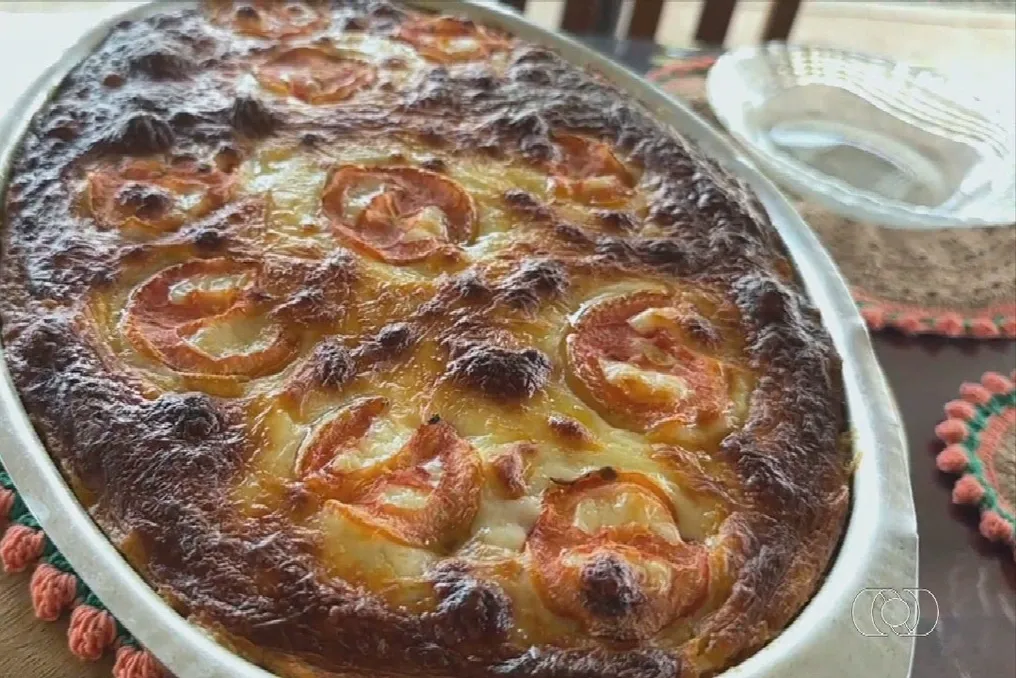
The gueiroba used in the preparation is grown directly on the farm. After harvesting, cutting, and peeling the ingredient, Ms. Isolina follows the recipe using a wood-fired stove. The final product is a pie topped with mozzarella and tomato slices, sufficient for about twenty servings.

Ingredients

The following items are needed for the preparation: 500g of gueiroba, 5 cloves of garlic, 1 large chopped onion, 3 sweet peppers, 3 tablespoons of milk butter, 1 tablespoon of yeast, 1 tablespoon of sweet paprika, 1 tablespoon of chimichurri, 1 tablespoon of lemon pepper, 1 tablespoon of saffron, 1.5kg of tomatoes, 150g of fresh herbs, 200g of mozzarella, 3 tablespoons of wheat flour, 100ml of oil, basil to taste, salt to taste, and 4 eggs.

Preparation Method

First, in a pot, the oil, chopped garlic, onion, and sweet peppers must be combined. Salt is added, and then the chimichurri, lemon pepper, saffron, and sweet paprika are mixed, stirring well to integrate the seasonings.

Subsequently, the tomatoes, basil, and fresh herbs are added. It is cooked, stirring occasionally, until the tomatoes soften and the sauce thickens. When the sauce reaches the desired consistency, it must be removed from the heat and allowed to cool, at which point the basil stems are removed.

In a separate bowl, the four eggs are cracked and lightly beaten. Wheat flour is added and mixed; immediately after, the grated cheese and milk butter are added. The egg mixture is then incorporated into the already cooled tomato sauce, along with the gueiroba, mixing everything until the components are well homogeneous.

The prepared dough is transferred to a baking dish and covered with mozzarella. To finish, some tomato slices are distributed over the topping. Cooking should take place in a preheated oven at 180°C for about 30 minutes. Although the original recipe uses a wood-fired oven, the preparation is also viable in an electric oven. When finished, the pie is removed from the oven and served, yielding approximately 20 servings.

Bengali Basanti Pulao Recipe: A Traditional Festive Dish
Read more
www.aajtak.in

Bengali Basanti Pulao Recipe: A Traditional Festive Dish

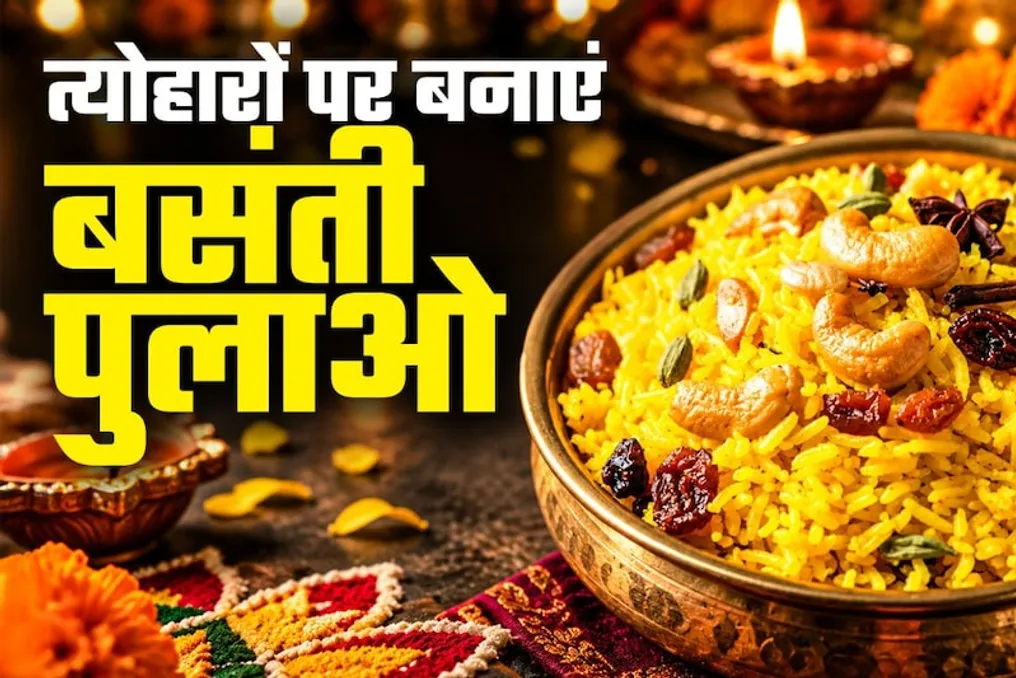
During festive periods, various dishes such as puri and kachori are traditionally prepared. However, if you wish to delight guests and family with something more exquisite, you should try the famous and traditional Bengali dish—Basanti Pulao.

This yellow, slightly sweet rice is made from aromatic Gobindobhog rice, using coconut oil, a pinch of turmeric, saffron, and plenty of nuts. Its distinctive aroma makes it very appealing, and it is traditionally served at celebrations such as Durga Puja, Diwali, and any other significant event.

Ingredients needed include: 1 cup of Gobindobhog rice (or small-grained basmati pieces), 2 tablespoons of pure coconut oil, 1/2 teaspoon of turmeric powder, 1/2 inch of grated ginger, 2 tablespoons of sugar (to taste), 1/2 teaspoon of garam masala powder, and salt to taste; 8-10 strands of saffron (soaked in 2 tablespoons of warm milk); whole spices (1 bay leaf, 2 green cardamom pods, 1 cinnamon stick, 4-5 cloves); 10-12 cashews and 10-12 raisins.

First, the rice must be washed and spread on a cotton cloth to dry for 15-20 minutes. Then, in one bowl, mix the rice with turmeric, ginger paste, garam masala, 1 tablespoon of coconut oil, and a small amount of salt, thoroughly mixing by hand. Cover this mixture and let it sit for 20 minutes so that the color and flavor penetrate the rice evenly.

In a frying pan or pot, heat 1 tablespoon of coconut oil. Fry the cashews and raisins in this oil until lightly golden, then transfer them to a plate. In the same oil, fry the whole spices (bay leaf, cardamom, cloves, cinnamon) until fragrant. Next, add the marinated rice to the pan and sauté over low heat for 2-3 minutes, stirring gently.

After this, add 2 cups of warm water (twice the amount of rice) and the soaked saffron to the rice. Cover the pan and simmer over low heat for 10-12 minutes, until 80% of the water has evaporated. When most of the water has gone, top with the fried cashews, raisins, and sugar. Gently stir, cover again, and let it steep over very low heat for another 5 minutes. After turning off the heat, leave the pot covered for another 5 minutes to ensure the rice is fluffy. The finished, aromatic, tender, and delicious Bengali Basanti Pulao is best served hot, for example, with potato or eggplant curry.

Popular