Representatives from Uzbekistan and Japan, particularly the Yamagata Prefecture, held discussions on cooperation aimed at training and attracting Uzbek specialists to meet the needs of Japanese employers, according to the Migration Agency of Uzbekistan.
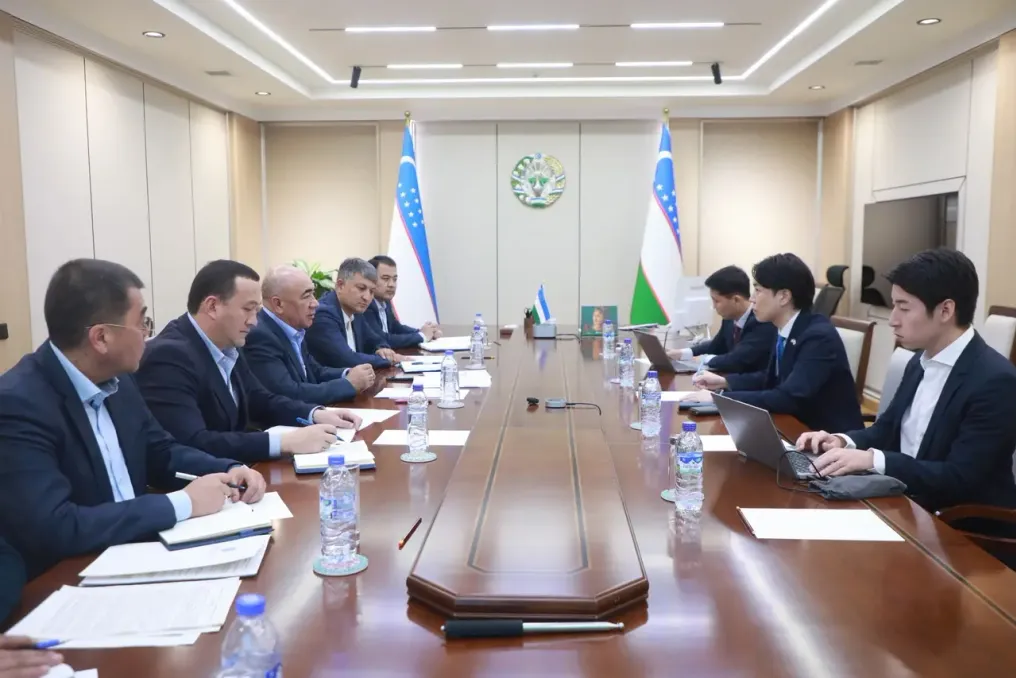
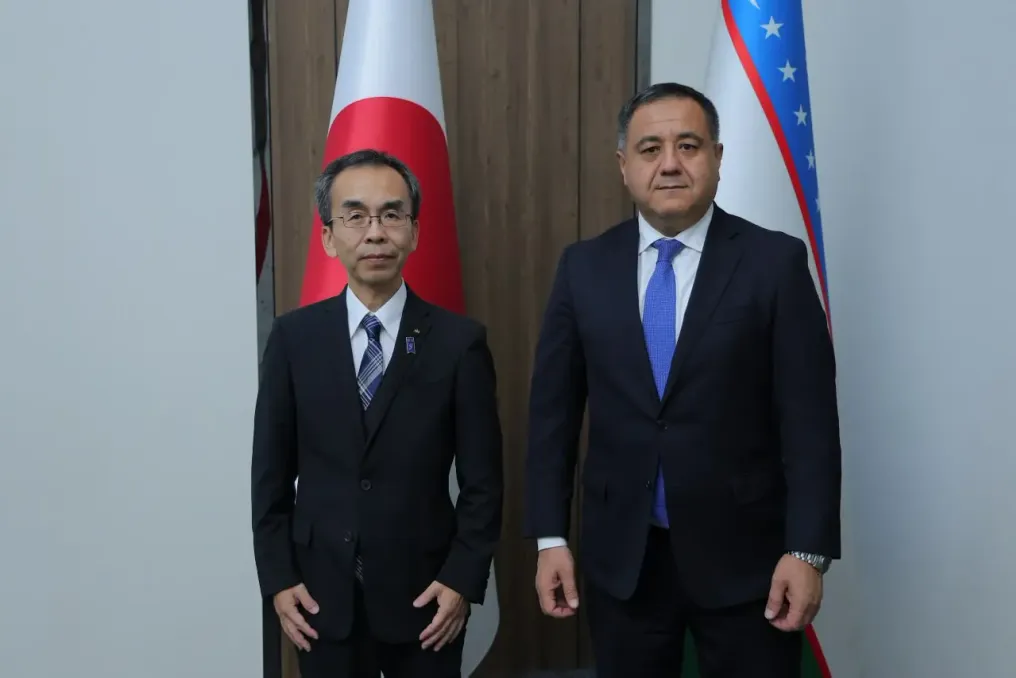
The negotiations took place at the INTIL International Center for Language and Vocational Training between the Director of the Migration Agency, Mukhsinkhojo Abdurakhmonov, and a delegation from Yamagata. The Japanese delegation included representatives from prefectural government bodies, Yamagata University, and companies interested in hiring workers from Uzbekistan.
The main topic of discussion was the issue of labor shortages in Yamagata and the organization of professional training for potential employees. The Japanese side emphasized the staff deficit in the region and expressed a desire to attract foreign specialists willing to work for local enterprises and adapt long-term in the region.
The Migration Agency of Uzbekistan presented a model for targeted workforce preparation within Uzbekistan before candidates are sent to Japan. According to the proposed plan, Japanese employers will define the qualification requirements, Japanese language proficiency level, and curriculum content for candidates. Uzbekistan will be responsible for organizing candidate selection, as well as their vocational and language training, practical sessions, and relocation preparation.
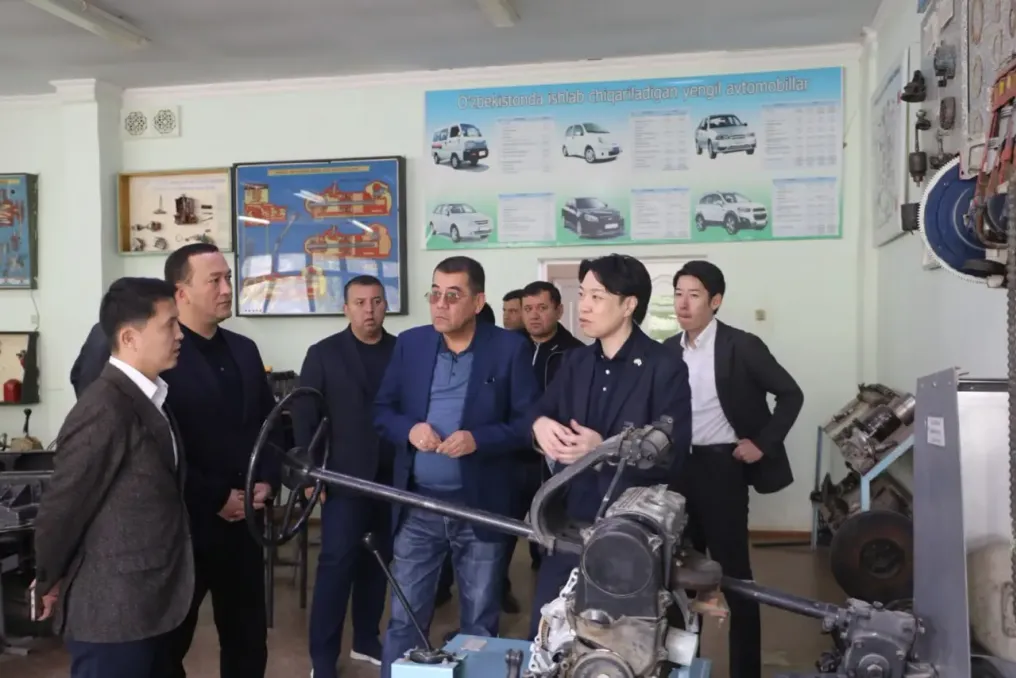
The INTIL Center has classrooms and facilities for practical training, conducting interviews, and professional assessment. It also has a dormitory designed for approximately 400 people. The Migration Agency stated its readiness to provide foreign partners with free access to the center's infrastructure for joint training programs related to the subsequent employment of Uzbek citizens.
Another subject of discussion was the training of professional drivers for work in Japan. The Uzbek side reported the establishment of a specialized training center in Tashkent Region. This center will use right-hand drive vehicles and simulate Japanese road conditions, allowing for the assessment of candidates' driving skills and practical training before they travel abroad.
Participants also explored opportunities for cooperation in information technology and engineering. A representative from the Japanese company MSI spoke about their experience in hiring foreign IT specialists and showed interest in working with Uzbekistan. The companies invited them to learn about the opportunities in IT Park Uzbekistan, including the 'Zero Risk' mechanism, which provides infrastructure and other support to foreign IT companies starting operations in the country.
Abe Engineering also expressed interest in hiring engineering and technical personnel. Initially, the company is considering employing or interning one or two Uzbek citizens.
During the meeting, specialized Japanese language courses for students of technical universities and the formation of training groups based on employer requirements were also discussed. Special attention was paid to the preliminary agreement on working conditions, including salary, duration of study, language proficiency requirements, and prospects for professional growth.
To advance the cooperation, Abdurakhmonov proposed holding a presentation on the potential of the Uzbek workforce in Yamagata Prefecture in February or March 2027, with the participation of local employers. The parties also discussed a possible visit by prefecture leadership to Uzbekistan to study the country's vocational education system, technical universities, and the facilities of the Migration Agency.
Following the negotiations, the parties agreed to exchange information on business needs in Yamagata, define priority professions and candidate requirements, and develop joint language and vocational training programs. It is expected that this cooperation will expand opportunities for Uzbek citizens to find legal employment in Japan and support the training of specialists in line with the demands of Japanese employers.