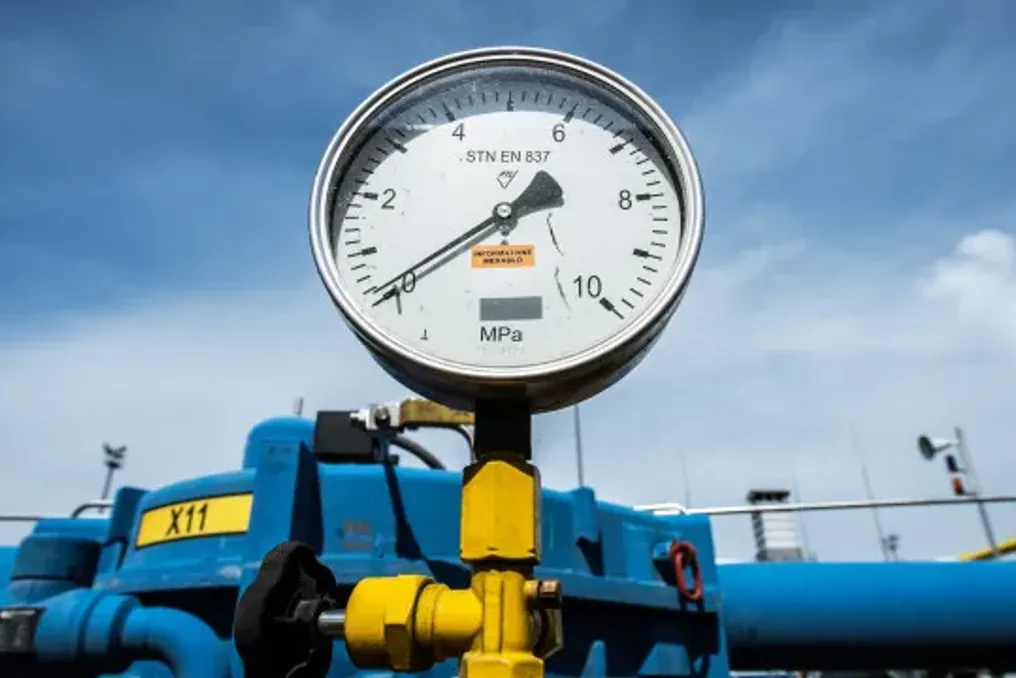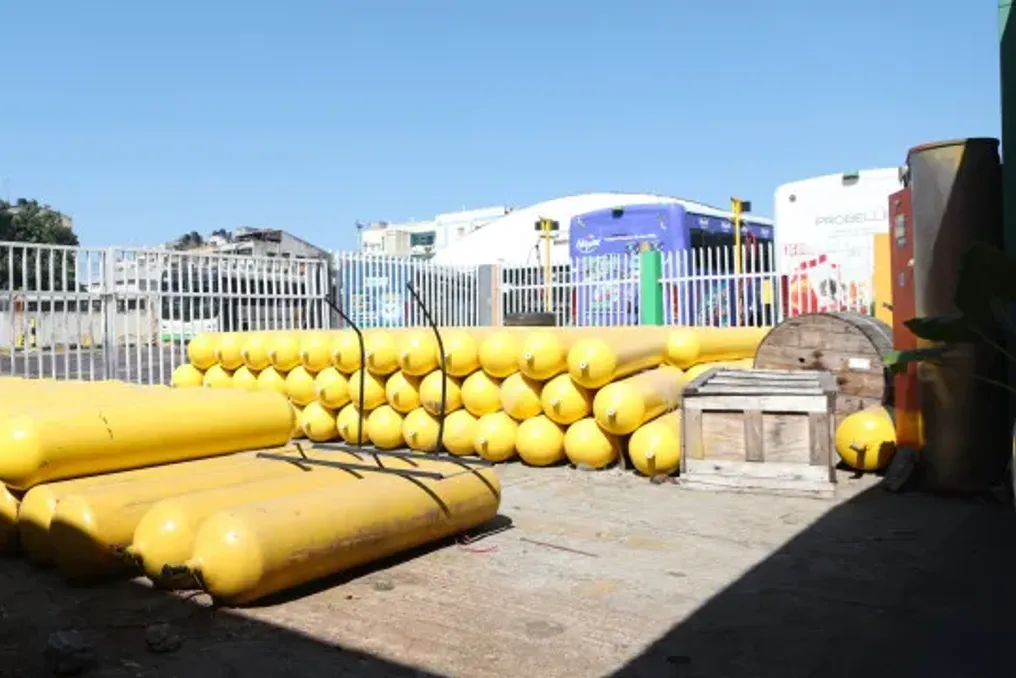
The Government of Mozambique has announced plans to install eight natural gas supply points for vehicles across three southern provinces of the country as a response to the current fuel crisis. These points are scheduled to become operational by 2027.
The Minister of Natural Resources and Energy, Estevão Pale, stated that the government is advancing expanded access to natural gas for transport through a structured program that includes funding for the expansion of gas supply infrastructure. Currently, three new points are being installed in Maputo city and provinces, two in Gaza province, and three in Inhambane province.
Responding to parliamentary questions regarding the fuel crisis, the head of government emphasized that the executive branch is already working on establishing these points in three southern provinces of Mozambique, which are set to operate in 2027. The Minister also noted that the government is focusing on increasing the use of natural gas buses in public transport to diversify energy sources in the transport sector, but clarified that these alternatives do not immediately resolve existing supply issues.
The government acknowledged that the fuel shortage negatively affects households, including the transport and agricultural sectors. Consequently, measures have been taken, such as a temporary ban on re-exporting fuel intended for domestic consumption, while maintaining regular transit to other countries.
Furthermore, the operational capacity of the company Petromoc has been strengthened, enabling it to supply additional volumes of fuel and service retail operators regardless of prior contracts with other distributors. The Energy Minister added that refueling operations are also being intensified at all terminals in the country—Maputo, Beira, Nacala, and Pemba—with the possibility of extending operating hours and conducting Saturday operations if necessary to accelerate product distribution.
Between April and May, the scarcity of gasoline and diesel fuel caused queues of dozens of vehicles, necessitating an increased presence of the Operational Police Group (UIR) at fuel stations that had fuel to ensure safety and control over the flow of drivers, motorcyclists, and consumers with containers.
At that time, the government attributed some difficulties to the impact of the Middle East conflict on international energy markets and supply chains, explaining that about 80% of the fuel imported by Mozambique originated from this region and passed through the Strait of Hormuz. Concurrently, the Bank of Mozambique recognized difficulties in accessing currency to finance fuel imports due to alleged shortcomings in some sector companies.
Data from the central bank shows that in the first quarter of 2026, Mozambique spent $236.4 million (203.5 million euros) on fuel imports, which was 1.4% less than $239.6 million (206.3 million euros) during the same period the previous year. In response to the consequences of the supply crisis and rising global prices, the government decided in May to increase administrative fuel prices, leading to a 45.5% increase in diesel fuel prices and a 12.1% increase in gasoline prices.