
Chandrakala Recipe: Homemade Sweet with Mawa for Diwali Festival
Read more
Aaj Tak
www.aajtak.in

Chandrakala Recipe: Homemade Sweet with Mawa for Diwali Festival

During the Diwali festival, there is an inevitable desire to fill the home with the aromas of sweets. If you prefer to cook something special at home instead of buying ready-made items from the store, you can prepare Chandrakala sweet.

Chandrakala, a traditional dessert of North India, resembles Gujiya in appearance, but its taste and method of preparation give it a unique quality. Inside this sweet is a filling made of mawa, almonds, cashews, raisins, and coconut. After frying in ghee, it is dipped in a syrup flavored with saffron and cardamom. This sweet, crispy on the outside and soft on the inside, will appeal to everyone, from children to adults. Below is a simple instruction for its preparation.

How to make Chandrakala sweet:

Preparing the filling:

First, you need to prepare the filling. Heat ghee in a pan, then lightly fry chopped almonds, cashews, grated coconut, and raisins. Next, add mawa and mix all ingredients thoroughly, cooking them. When the mixture becomes homogeneous, turn off the heat and let the mixture cool aside.

Kneading the dough for Chandrakala:

In a large bowl, mix flour, ghee, baking powder, and salt. Then, gradually adding a little water, knead a stiff and smooth dough. Cover the dough and leave it for about 20 minutes.

Shaping the Chandrakala:

Next, form small balls from the dough and roll them into round patties. Place the prepared mawa and dried fruit filling onto one round patty. Apply a little water around the edges and place the second round patty on top. Press the edges carefully so that the filling does not leak out during frying.

Frying in ghee:

Heat ghee or oil in a pan. Fry the finished Chandrakalas over medium heat until golden and crispy. It is important not to fry them over high heat, otherwise, they will quickly brown on the outside but not cook through inside.

Making the saffron syrup:

In another vessel, heat sugar and water, bringing it to the consistency of a single-thread syrup. Then, add cardamom powder and saffron strands, mixing well.

Dipping in syrup:

The finished, fried Chandrakalas are dipped into the hot syrup and left there for about two to three minutes. After that, they are taken out. This results in a delicious Chandrakala sweet that can be served to guests on Diwali.
Similar stories

Jornal do Campo features traditional family recipe for Gueiroba pie from Goiás
Read more
g1.globo.com

Jornal do Campo features traditional family recipe for Gueiroba pie from Goiás

The 'Sabores do Campo' program, broadcast by Jornal do Campo, presented a typical recipe from Goian cuisine: the gueiroba pie, also known as guariroba. This dish is prepared by Ms. Isolina, a resident of a farm located in Silvânia, Southeast Goiás.

This recipe holds historical value for the family and is usually served at social gatherings. Ms. Isolina reported that she learned to make the pie from a friend named Edson Diniz, known by the nickname Chicão, who passed away several years ago.

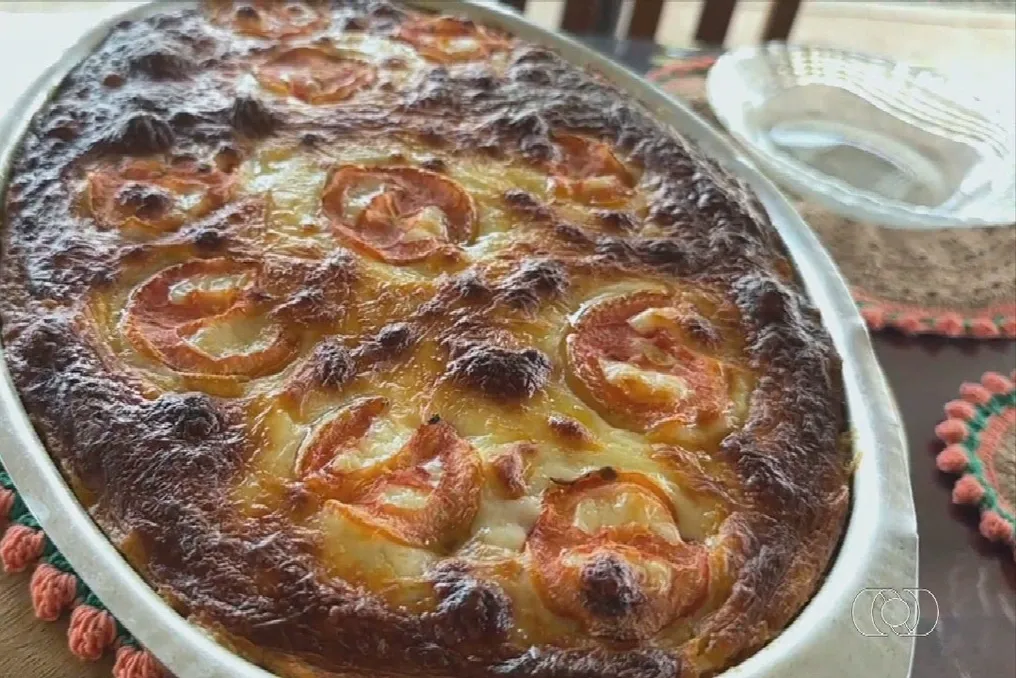
The gueiroba used in the preparation is grown directly on the farm. After harvesting, cutting, and peeling the ingredient, Ms. Isolina follows the recipe using a wood-fired stove. The final product is a pie topped with mozzarella and tomato slices, sufficient for about twenty servings.

Ingredients

The following items are needed for the preparation: 500g of gueiroba, 5 cloves of garlic, 1 large chopped onion, 3 sweet peppers, 3 tablespoons of milk butter, 1 tablespoon of yeast, 1 tablespoon of sweet paprika, 1 tablespoon of chimichurri, 1 tablespoon of lemon pepper, 1 tablespoon of saffron, 1.5kg of tomatoes, 150g of fresh herbs, 200g of mozzarella, 3 tablespoons of wheat flour, 100ml of oil, basil to taste, salt to taste, and 4 eggs.

Preparation Method

First, in a pot, the oil, chopped garlic, onion, and sweet peppers must be combined. Salt is added, and then the chimichurri, lemon pepper, saffron, and sweet paprika are mixed, stirring well to integrate the seasonings.

Subsequently, the tomatoes, basil, and fresh herbs are added. It is cooked, stirring occasionally, until the tomatoes soften and the sauce thickens. When the sauce reaches the desired consistency, it must be removed from the heat and allowed to cool, at which point the basil stems are removed.

In a separate bowl, the four eggs are cracked and lightly beaten. Wheat flour is added and mixed; immediately after, the grated cheese and milk butter are added. The egg mixture is then incorporated into the already cooled tomato sauce, along with the gueiroba, mixing everything until the components are well homogeneous.

The prepared dough is transferred to a baking dish and covered with mozzarella. To finish, some tomato slices are distributed over the topping. Cooking should take place in a preheated oven at 180°C for about 30 minutes. Although the original recipe uses a wood-fired oven, the preparation is also viable in an electric oven. When finished, the pie is removed from the oven and served, yielding approximately 20 servings.

Kamnekkadi Spicy Marinade Recipe: How to Prepare at Home
Read more
www.aajtak.in

Kamnekkadi Spicy Marinade Recipe: How to Prepare at Home

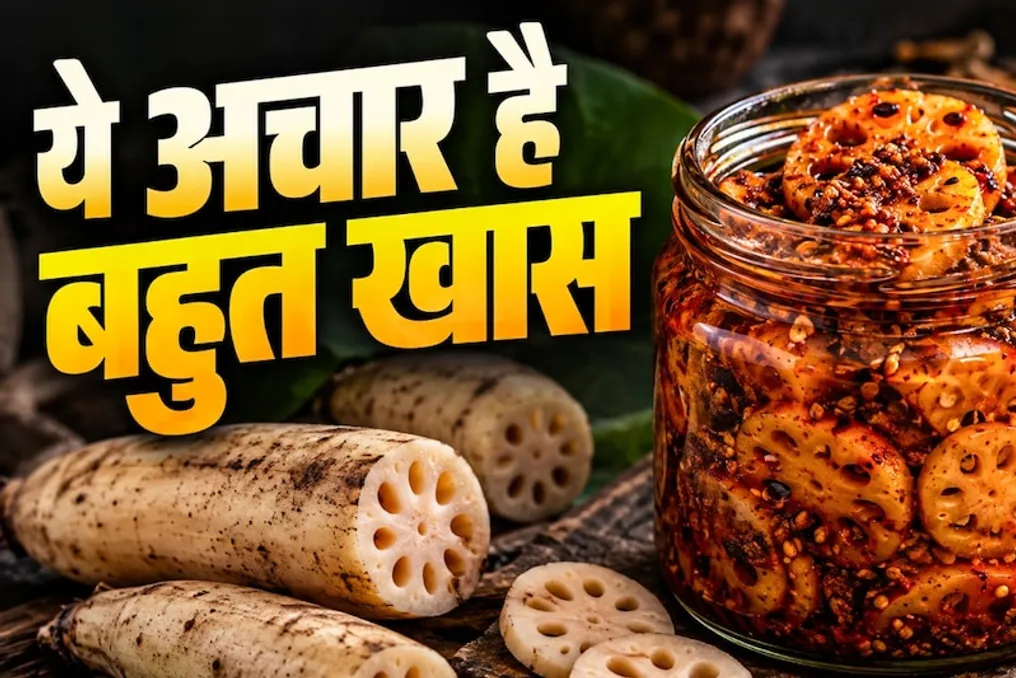
Although you may have tried marinades made from mango, lemon, pepper, and carrots, you might never have tasted a kamnekkadi marinade. Kamnekkadi is very healthy, and its crunchy texture pairs excellently with the marinade. If you appreciate traditional flavors and want something more original and spicy to serve with rice and dal or parathas, this spicy kamnekkadi marinade will be the perfect choice.

With the right combination of spices and using proven drying or storage methods, you can keep this marinade for several months. Below is a simple guide on how to prepare it.

To prepare, you will need the following ingredients: 500 grams of kamnekkadi; 4 tablespoons of yellow or black mustard seeds (coarsely ground); 2 tablespoons of fennel (coarsely ground); 1 teaspoon of fenugreek powder; 1 teaspoon of turmeric powder; 2 tablespoons of Kashmiri red chili powder (for color); 1 teaspoon of kalansi; 1/2 teaspoon of asafoetida; black and regular salt to taste; 2 tablespoons of vinegar (as a natural preservative); 1.5 cups of pure sunflower oil.

Tip for boiling and slicing kamnekkadi: Thoroughly wash and clean the kamnekkadi, then slice it into rounds. Place them in a pot with water and a small amount of vinegar or salt and boil for 5-7 minutes (it is important that they do not become too soft, retaining a light crunch). After boiling, spread the pieces on a cotton cloth and let them dry in the sun or under a fan for 2 hours to completely remove all moisture.

Preparing the oil: Heat the sunflower oil in a pot until it smokes. Then turn off the heat and let the oil cool slightly to room temperature.

Mixing the spices: In a large bowl, place the dried kamnekkadi pieces. Add the mustard seeds, fennel, fenugreek powder, kalansi, turmeric, red chili powder, asafoetida, both types of salt, and vinegar. Mix well.

Adding oil and packaging: Now pour the slightly cooled sunflower oil into the mixture and stir thoroughly so that all the spices evenly coat the kamnekkadi. Once the marinade has completely cooled, transfer it to a clean, dry glass jar with a tight-fitting lid. Add a little sunflower oil on top. In 2-3 days, the marinade will be ready to eat in the sun!

Popular