Minister of Digital Technologies calls for strengthening cybersecurity due to rising AI-related risks
Read more
Podrobno.uz [uz]
podrobno.uz

Minister of Digital Technologies calls for strengthening cybersecurity due to rising AI-related risks

The Minister of Digital Technologies of Uzbekistan, Sherzod Shermatov, stated that risks in the field of digital security will continue to increase and strongly urged both state structures and private companies to increase spending on cyber protection.

According to him, it is necessary to regularly audit one's own systems for vulnerabilities and prepare qualified specialists. Shermatov noted that there has been an increase in reports of hacks and data leaks worldwide recently.

As an illustration, he cited examples of fund theft from the cryptocurrency platform Binance, as well as a recent controversy related to the possible leak of data belonging to 27 million citizens of Uzbekistan. Although information about this leak has not yet received wide coverage, the minister warned that similar incidents could recur.

Shermatov emphasized that the development of artificial intelligence has significantly facilitated the process of discovering weaknesses in existing information systems, which leads to an increase in the number of identified flaws and, consequently, to a rise in potential threats.

He stressed that when investing in artificial intelligence technologies, it is crucial to simultaneously invest in protection against associated threats. In the minister's opinion, organizations that develop and use digital systems should allocate a separate budget for ensuring cybersecurity.

Furthermore, it is necessary to constantly eliminate identified vulnerabilities, guided by the recommendations of the Security Service's Cybersecurity Center and data from the UzCERT service. The minister also addressed the youth, calling cybersecurity a promising area for career growth, as the demand for such experts is growing both in Uzbekistan and abroad.

Previously, information appeared online about a new potential personal data leak in the country. A few days after this incident, the Butterfly group disclosed the phone number and PINFL of Minister Sherzod Shermatov, threatening to publish the data of over 27 million residents on the darknet, although no official response from the agency had been received at that time.


Similar stories

Expert warns that data leak in Uzbekistan should not lead to restriction of information exchange
Read more
podrobno.uz

Expert warns that data leak in Uzbekistan should not lead to restriction of information exchange

A potential personal data leak should not become a reason to restrict the exchange of information and reduce openness in Uzbekistan, believes digital technology expert Shukhrat Kurbanov. He emphasizes that the main problem lies not in the data exchange process itself, but in the methods of its storage and access control.

Recently, messages appeared on social networks about a potential leak of personal information of users of services such as SafeRoad, inDrive, Lada Auto, KiwiTaxi, and Fargo. Kurbanov personally checked the distributed databases and found his personal data in them, including TIN, residential address, vehicle information, and corresponding documents. However, the circumstances and source of this information remain unknown.

Later, the company SAFE Service denied any connection between its SafeRoad application and the alleged leak. Company representatives stated that the circulating information was collected from various sources even before the application started operating. Furthermore, they reported that they are cooperating with authorized state structures to respond to the spread of false information.

Risks of tightening data exchange rules

Commenting on the situation, Shukhrat Kurbanov expressed concern that the mere fact of discussing a possible leak could provoke a tightening of data exchange regulations. In his opinion, such a development would be a step backward and would not ensure proper protection of personal information.

He recalled the example of the OneID system, where changes occurred in the procedure for granting access. Previously, access was open by default and restricted only in exceptional cases; however, after modifications, users had to independently grant permission to access their data. As the expert noted, this complicated the process, forcing bank employees and clients to deal with OneID settings, and even required specialists in banking institutions to assist in arranging such access.

Kurbanov insists that the focus must shift from the fact of data exchange to the methods of its storage and controlling who can access it. He also suggests conducting a detailed study of the reasons why companies and government agencies collect and store certain information about citizens.

Proposals for strengthening citizen control

The expert believes that citizens need to be provided with expanded opportunities to monitor their information. Specifically, they should have the right to know who, when, and on what legal basis their personal data was requested. Moreover, Kurbanov considers it vital to introduce a transparent mechanism for withdrawing access permissions, as well as ensuring the possibility of deleting or anonymizing information.

As a positive example, he cited Estonia, where through an electronic cabinet, a user can see which specific agency, official, or commercial organization accessed their personal data and when. In the expert's opinion, a similar mechanism could allow residents of Uzbekistan to track access to their data.

Kurbanov emphasized that the principles of openness and digitalization contribute to reducing bureaucracy and corruption levels, as well as stimulating development. Instead of reverting to closed models, it is necessary to improve data storage procedures, strengthen control over access to it, and increase transparency in the use of personal information for citizens.

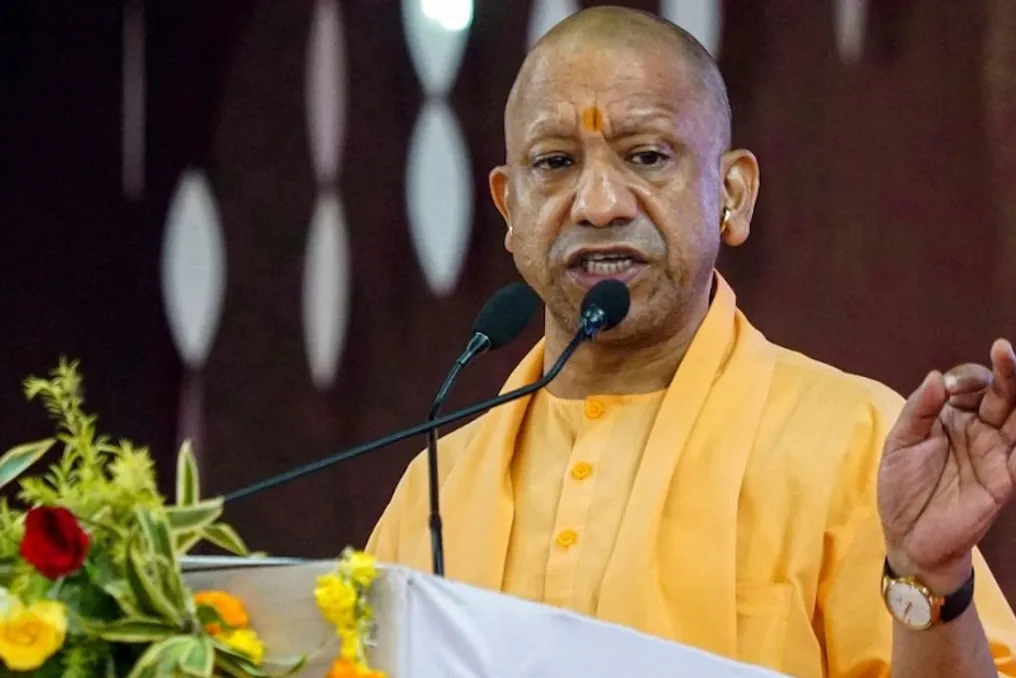
CM Yogi Adityanath states that technology must be linked to public good and justice at 'Techsangam 2026' event
Read more
www.aajtak.in

CM Yogi Adityanath states that technology must be linked to public good and justice at 'Techsangam 2026' event

The Chief Minister of Uttar Pradesh, Yogi Adityanath, highlighted the features of the 'Techsangam 2026' event and changes in the state's work culture via the social network 'X'. He emphasized that in the current era, it is crucial to connect new technological opportunities with public interests, impartial justice, and a bright future for the youth.

The Minister wrote on his 'X' account that he will participate in 'Techsangam 2026', which is being held at the Uttar Pradesh State Forensic Science Institute (UPSIFS) in Lucknow. This event, focused on emerging fields such as AI, cyber forensics, quantum technologies, and data protection, represents an important opportunity to link technological innovations with citizen safety, an effective justice system, and digital trust.

The Minister described this event as a reflection of the changing work culture of Uttar Pradesh. He noted that before 2017, the state, which has the largest population in the country, only had two cyber cells and four forensic laboratories. Due to underutilization of scientific and technical potential, and lack of scientific evidence, criminals could evade punishment, and the conviction rate was less than 30 percent.

Adityanath stated that after 2017, the state government, operating on a 'dual engine' principle, took steps to rectify this situation. Today, cyber cells function in all 75 districts of the state, and efforts are underway to establish forensic laboratories in every division. The expansion of technical resources and scientific verification capabilities has strengthened the process of holding criminals accountable and combating new challenges like cybercrime, leading to an increase in the percentage of convictions.

The Minister added that in growing fields such as forensic science and cybersecurity, new opportunities are being created for quality education, research, and employment for the state's youth. Technology today serves as a means to ensure effective justice and guide the future of the youth.

He also wrote that this event will bring together scientists, technical experts, policy developers, lawyers, and industry representatives from various countries. It will open new horizons for collaboration between science, education, and industry through substantive discussions on cybersecurity, the reliability of digital evidence, and the responsible use of new technologies. This forum will play a vital role in steering the creation of a self-reliant India in developing technologies and making citizens' lives safer and more convenient through these technologies, thereby giving new impetus to the goal of a developed India based on the strength of Self-Reliant India.

Popular