
How Low-Quality Films Are Made: Budget, Locations, and Production Features
Read more
Aaj Tak
www.aajtak.in

How Low-Quality Films Are Made: Budget, Locations, and Production Features

Many television and Bollywood actors began their careers working on low-quality films (B-Grade). Some artists participated in such projects to overcome financial difficulties. Next, we examine the process of creating B-Grade films.

B-Grade films are typically produced with a limited budget, under tight deadlines, and by a small crew. Their main goal is to ensure a quick return on investment and attract viewers focused on mass viewing, rather than large cinemas or high art.

Unlike major productions, where a script is developed first and then locations are determined, the process in B-Grade cinema often happens in reverse. Producers first rent an inexpensive location—be it a hotel, guesthouse, farm, or a single interior set. Then, the plot and scenes are written taking this chosen venue into account. This is why these films often reuse locations such as hotel rooms, forests, village houses, or abandoned estates.

Due to the lack of budget for expensive sets, foreign shoots, or large-scale stunts, such elements are impossible.

These films do not feature major stars. Instead, they attract newcomers, models, actors striving for recognition, and television performers. Often, one person performs multiple roles: a director might simultaneously be the art director, costume designer, or assistant. The film crew also remains very compact, consisting of one camera operator, one lighting technician, several assistants, and necessary technical specialists.

The advent of digital cameras further reduced costs, as it became possible to forgo expensive synchronized sound equipment and heavy technical gear.

The shooting schedule in B-Grade films is extremely intensive. Some movies are completed in just four or five days, while some producers manage to finish the entire cycle—from scriptwriting to editing and sound mixing—in 15 days.

Work shifts can also be long, sometimes lasting from 18 to 20 hours. The reason is simple: the faster the film is ready, the sooner it goes to release and the quicker the funds are returned.

In many B-Grade films, more emphasis is placed on explicit, horror, or action scenes than on the plot itself. Posters, titles, and trailers are intentionally made eye-catching to attract viewers in single-screen theaters in small towns.

When filming intimate scenes, only the minimum necessary crew is present on set. Previously, these films were shown in single-screen theaters in small towns. After the reduction in such theaters, their business moved to YouTube platforms and other digital resources. Low cost, fast production, and viral posters—this is the true formula of B-Grade cinema.
Similar stories

Hilton and Holiday Inn plan to open first hotels in Bukhara
Read more
uzdaily.uz

Hilton and Holiday Inn plan to open first hotels in Bukhara

The international hotel chains Hilton and InterContinental Hotels Group intend to open their first hotels in the city of Bukhara. Currently, hotels under the brands Hilton Garden Inn and Holiday Inn, as well as a conference hall, are being constructed in the city. The total investment in these projects will amount to 136.6 million US dollars.

President Shavkat Mirziyoyev inspected the construction progress during his working trip to Bukhara region, according to the official website of the head of state.

Project Details

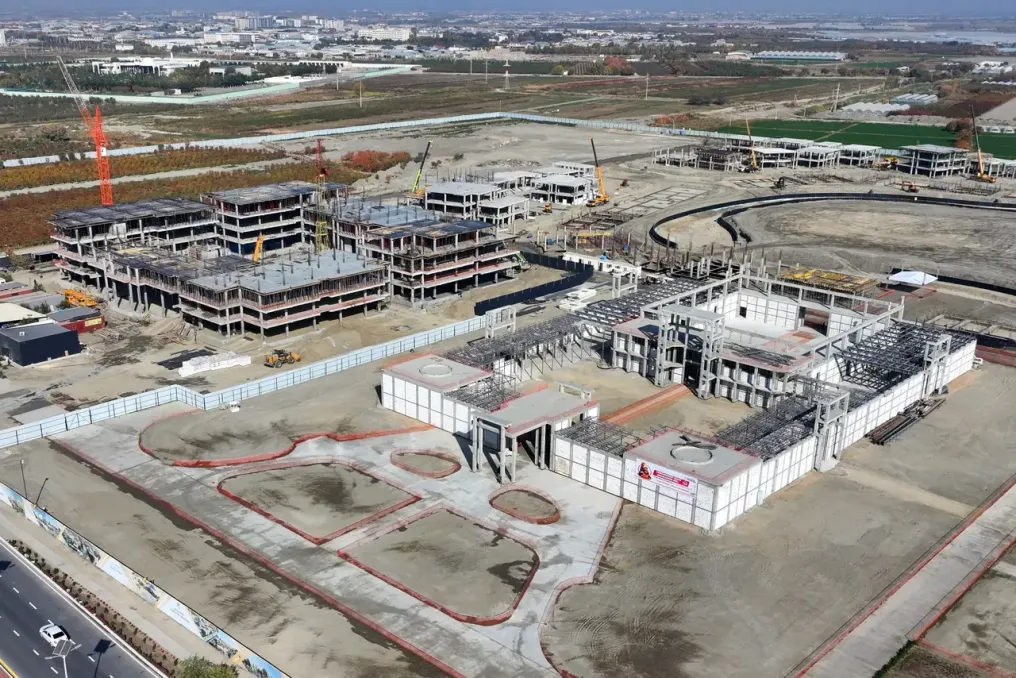
The Hilton Garden Inn hotel will have 212 rooms, and the investment in its construction is estimated at 37 million US dollars. The main construction work on the seven-story building is complete; workers are currently engaged in erecting internal walls, installing engineering systems, and finishing the facade.

Another seven-story hotel, also designed for 212 rooms, will operate under the Holiday Inn brand, which is part of the InterContinental Hotels Group portfolio. This project is valued at 39.6 million US dollars. A two-story business center is being built next to the hotel, and the pouring of its underground section is nearing completion.

Additionally, a conference hall with a total area of 14,500 square meters is being built in Bukhara, allocated 60 million US dollars. The main concrete work there has already been completed, and construction crews are currently installing external engineering networks and working on the facade and roof.

According to the information provided, Hilton Worldwide Holdings currently manages ten hotels in Uzbekistan, located in Tashkent and Samarkand. InterContinental Hotels Group has one hotel in the country in Tashkent. These new facilities will expand the presence of international hospitality operators in the tourism sector of Bukhara.

Film Shot in Phoenix Showcases Potential of KwaZulu-Natal Film Industry
Read more
iol.co.za

Film Shot in Phoenix Showcases Potential of KwaZulu-Natal Film Industry

The production filmed in Phoenix, located in Durban, served as a showcase for the cinematic potential of the KwaZulu-Natal province. The province is striving to attract international cooperation and create more opportunities for local creative workers.

The film, much of which was shot on the streets of Phoenix in Durban, helps put KwaZulu-Natal on the map as a potential location for international film and television shoots. The production, titled 'Lucky Fish,' was presented among industry projects at MIP Africa, an international film and television market held in Cape Town. Representatives from KwaZulu-Natal Tourism and Film interacted with filmmakers and potential international partners there.

The market provided a platform to discuss issues of co-production, market access, and commercial opportunities available to the province's creative industry. Luke Rous, Executive Producer and Co-founder of Rous House Productions, noted that the experience of shooting 'Lucky Fish' in Phoenix demonstrated the value of working with local communities and production support structures.

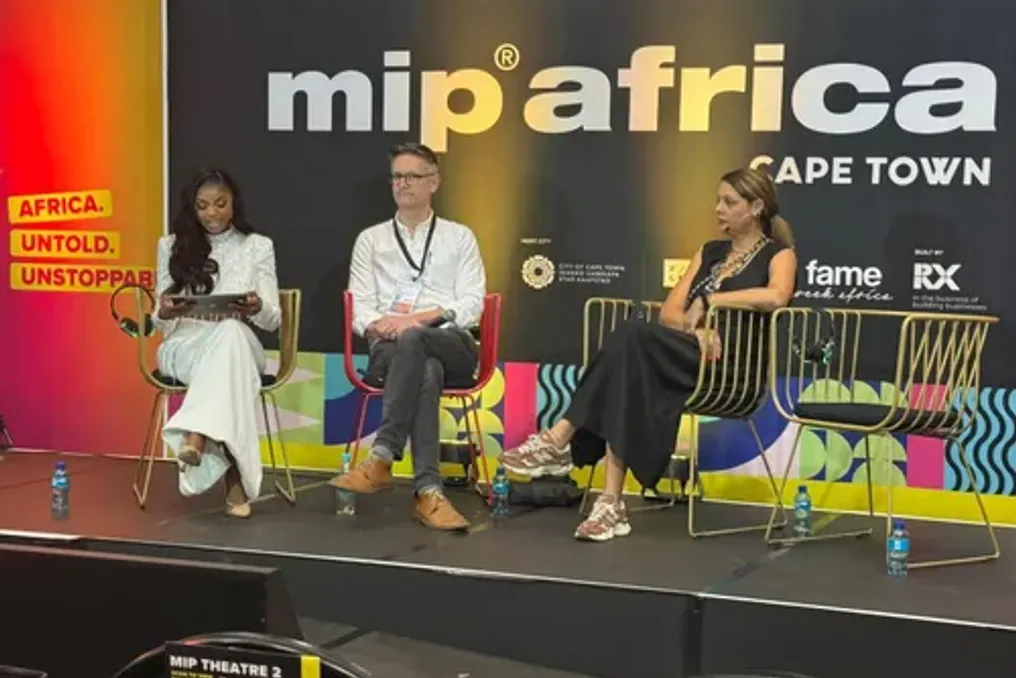
Speaking during a panel discussion titled 'Why the World is Coming to KwaZulu-Natal: Culture, Content, and Creative Economy,' Rous highly praised the support received from KwaZulu-Natal Tourism and Film and the Durban Film Office. He stated: 'The community welcomed us. We had no problems. It was safe. It was reliable. It was wonderful.'

Rous also highlighted the accessibility of shooting locations and the enthusiasm of young talent, asserting that filmmaking can have an economic impact that extends beyond the screen. He specified that a significant portion of the production budget goes towards services and suppliers, including accommodation, transport, catering, and equipment. According to Rous: 'We know that filmmaking is a multiplier effect. 60% of the film's budget goes not to the screen, but to suppliers, hotels, fuel, vehicles, catering, etc.'

These benefits can extend to neighboring communities as the production creates business for local suppliers and service providers. Rous called for further investment in production incentives and skills development, as well as the realization of larger and longer-term projects capable of sustaining employment for local crews.

Despite the strengths of the province, such as its creative talent and production infrastructure, industry participants also pointed to the need for larger commercial investments. Jacinta de Nobrega, award recipient and founder of Arclight Productions, stated that the province offers a favorable environment for collaboration, with accessible industry networks and support from local organizations. However, she emphasized that creativity alone is not enough for sector growth, saying: 'Money, money, money, and business.'

The discussion, moderated by Ayanda G. Tabetche, explored how the province can develop its existing production capabilities while creating more opportunities for local filmmakers.

Fofo Gumede K, celebrity stylist and creative director, also emphasized the international potential of KwaZulu-Natal's cultural identity. Using the success of 'Shaka iLembe' as an example, he pointed to the ability of costumes, heritage, and cultural storytelling to resonate with audiences outside of South Africa. Gumede noted: 'Fashion is a language, identity, culture, sometimes rebellion.'

In addition to showcasing local productions, KwaZulu-Natal Tourism and Film used MIP Africa to explore potential partnerships with international industry stakeholders. Interactions with the UK Department for Business and Trade in South Africa focused on market access and strengthening ties with foreign film networks. Discussions with the French Institute in South Africa concerned opportunities to enhance cooperation under the existing audiovisual co-production agreement between South Africa and France.

Proposals included the participation of French filmmakers and the South African development community in Durban FilmMart, as well as familiarization tours of locations to introduce KwaZulu-Natal to international producers. Furthermore, the department contacted the Eastern Cape Development Corporation regarding the possibility of reviving a memorandum of understanding to encourage inter-provincial cooperation. These discussions require further engagement.

As part of its enterprise development program, KwaZulu-Natal Tourism and Film supported seven provincial filmmakers to attend MIP Africa, where they could connect with broadcasters, producers, distributors, and potential business partners. Pinky Radabe, Head of Public Relations and Communications at KwaZulu-Natal Tourism and Film, stated that these contacts laid the foundation for future collaboration. She said: 'There is something powerful about hearing filmmakers talk about their own experiences in KwaZulu-Natal. It tells a much more compelling story than any promotional presentation.'

Radabe added that the focus will now be on translating discussions into more productions, stronger creative ventures, and opportunities for the residents of KwaZulu-Natal. 'The province has a story worth telling, and the world is increasingly paying attention to it.'

Popular