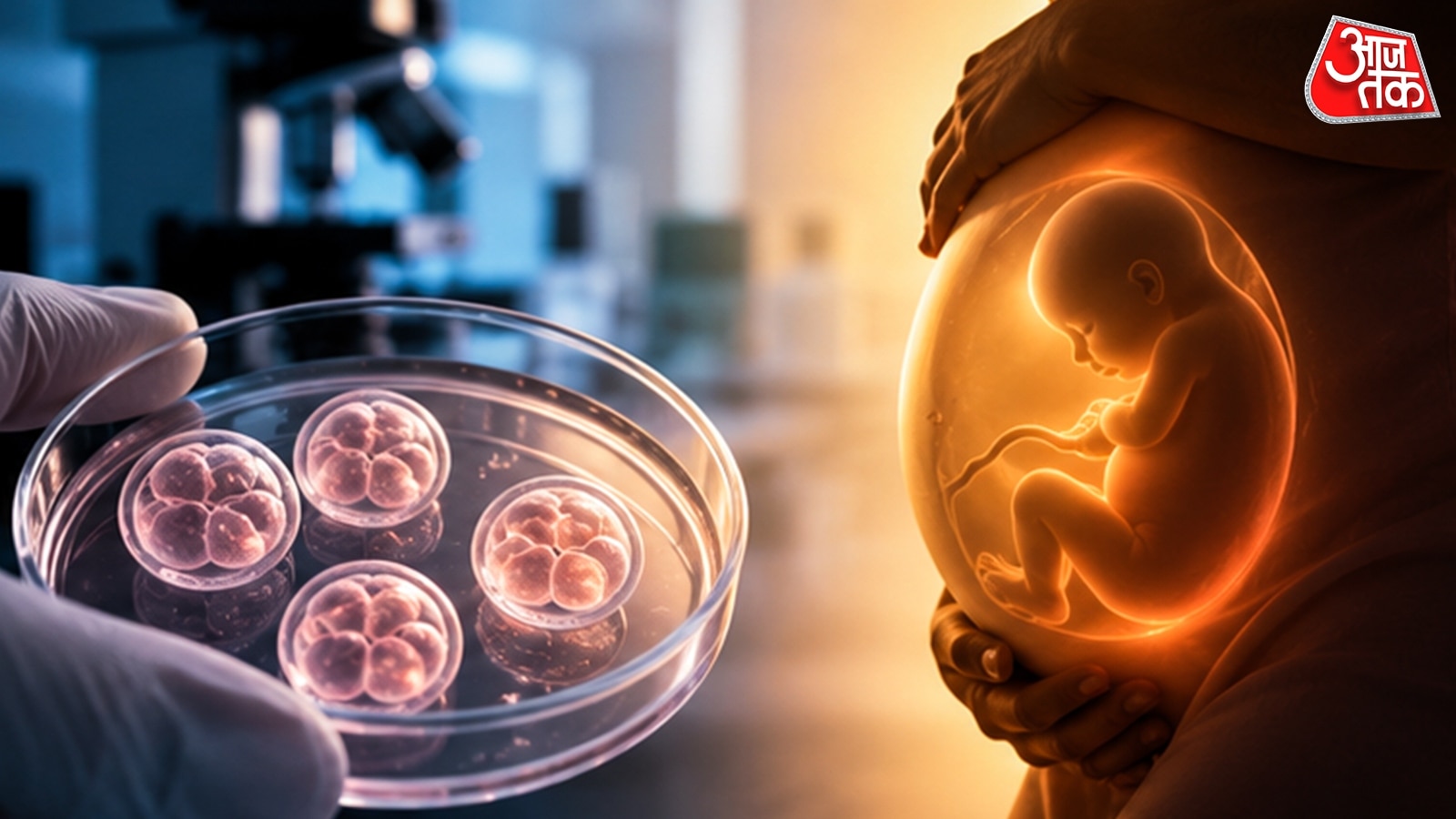
Many couples are currently turning to in vitro fertilization (IVF) hoping to fulfill their dream of parenthood. However, not every couple succeeds on the first attempt. In some cases, several IVF cycles may be required to achieve pregnancy. The question arises as to why the first attempt might fail and what steps the couple should take before starting treatment.
Dr. Poonam Mishra, a senior fertility specialist at Krishna IVF Fertility Center, explained that IVF success depends on numerous factors. These include the woman's age, egg count, ovarian reserve, and the man's proper sperm parameters. With age, especially after 35, there is a decline in the number of eggs in women, which reduces the chances of pregnancy.
According to Dr. Poonam, if a woman has few eggs, it is impossible to obtain the necessary number of oocytes during IVF, which may require multiple cycles. Similarly, a low sperm count in the man is also a cause of such difficulties. Furthermore, not all fertilized eggs can develop into embryos suitable for transfer, leading to the failure of the first attempt.
If the first IVF attempt does not result in pregnancy, doctors first conduct a thorough analysis of the entire course of treatment. Based on this analysis, they can adjust medication dosage or change the ovarian stimulation method for subsequent attempts.
It is important to understand that one IVF failure does not mean that pregnancy is impossible in the future. After each unsuccessful attempt, it is not necessary to undergo many expensive examinations; the next step is determined by the patient's medical history and the results of previous procedures.
Before starting the IVF procedure, a number of examinations are conducted for the woman, including checking hormone profile, AMH levels, ultrasound, and gynecological examination. The man requires a semen analysis. Additionally, doctors check for various infections.
In addition to medical aspects, it is extremely important to pay attention to nutrition before starting treatment. It is recommended to include more fruits and vegetables in the diet, consume enough protein, and maintain a healthy weight. Men should also monitor their health and include protein in their diet. Daily physical exercise is also considered very important.