An international group of researchers has made the first unequivocal discovery of fossilized red blood cells and collagen amino acids in the bones of a dinosaur dating back 115 million years. These findings were made in deposits in the Araripe Basin, Brazil.
The authors of the study, published in the Proceedings of the National Academy of Sciences of the United States, emphasized that this discovery fundamentally changes the understanding of preservation processes and molecular longevity over long periods of time.
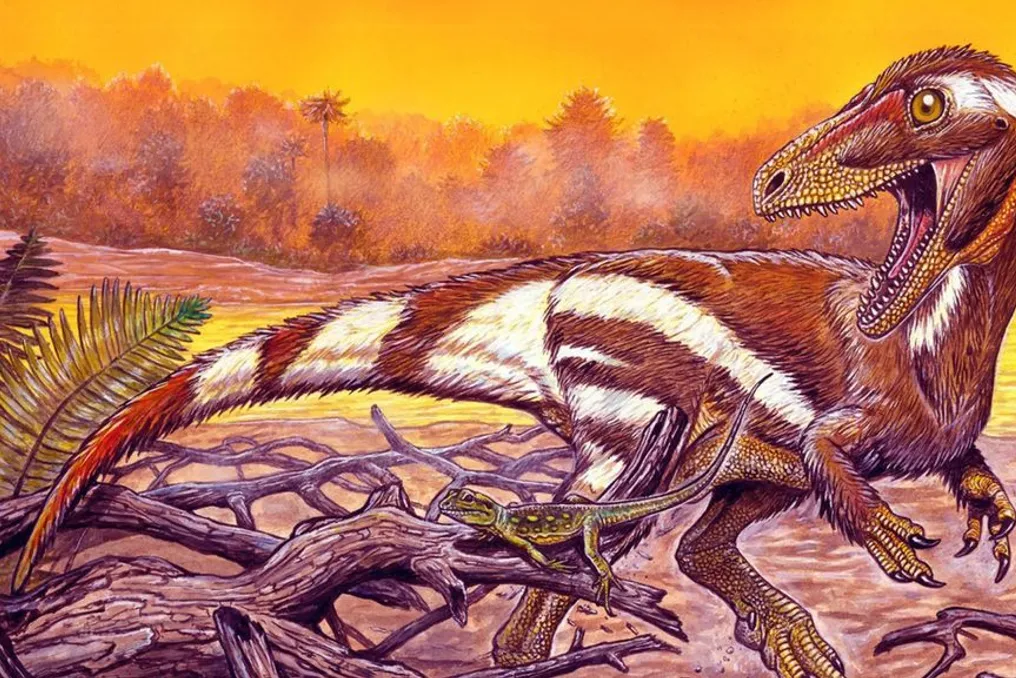
The red blood cells belong to a theropod dinosaur species, Aratasaurus museonacionali, which is the only known representative of the extinct genus Aratasaurus. This animal could reach a length of up to three meters and weigh about 34 kilograms; its fossils date back to the Cretaceous period (115–110 million years).
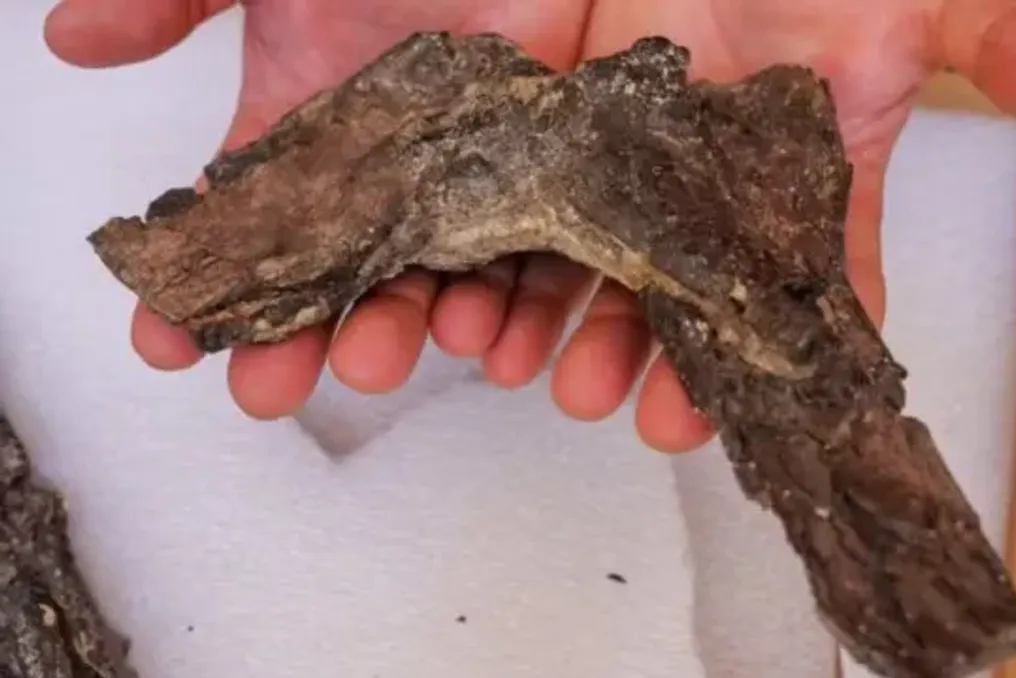
The bones were found in the Romualdo Formation deposits in northwestern Brazil and are presented in a scientific paper published in 2020. Researchers determined that numerous red blood cells were preserved within the vascular channels of these bones.
Although previous studies suggested the possible presence of structures resembling red blood cells, the current research is the first to chemically prove the presence of molecules derived from hemoglobin inside the cells.
The samples contained preserved hemin—a component of hemoglobin responsible for oxygen transport, which, according to one of the authors, confirms the existence of traces of fossilized blood. Kleti Grise, director of the Centre for Organic and Isotopic Geochemistry at Curtin University in Australia, noted that the discovery of intact molecules derived from hemin in 115-year-old red blood cells is a historic finding.
The research team, which also included scientists from the Japan Agency for Marine-Earth Science and Technology, the National Museum of Brazil, and the Regional University of Cariri, as well as Johns Hopkins University, believes that such exceptional preservation occurred due to the rapid burial of the dinosaur in an environment with low oxygen content and high microorganism content immediately after its death.
Grise and her colleagues suggest that the red blood cells mineralized into hausmannite—a manganese oxide mineral—which likely served as a natural time capsule, helping to stabilize cellular structures and biomolecular components (including collagen amino acids) over such a long geological period.
The researcher stressed that this discovery not only expands the known registry of fossilized blood but also provides a direct molecular view into the physiology of long-extinct animals, allowing for a better understanding of them and their surrounding world. The results call into question established hypotheses regarding whether some biomolecules, such as hemoglobin, can survive for long periods. The authors concluded that this study redefines the ways in which molecular structures are preserved under long or hostile conditions, which may have implications for astrobiology and the search for ancient life in the universe.