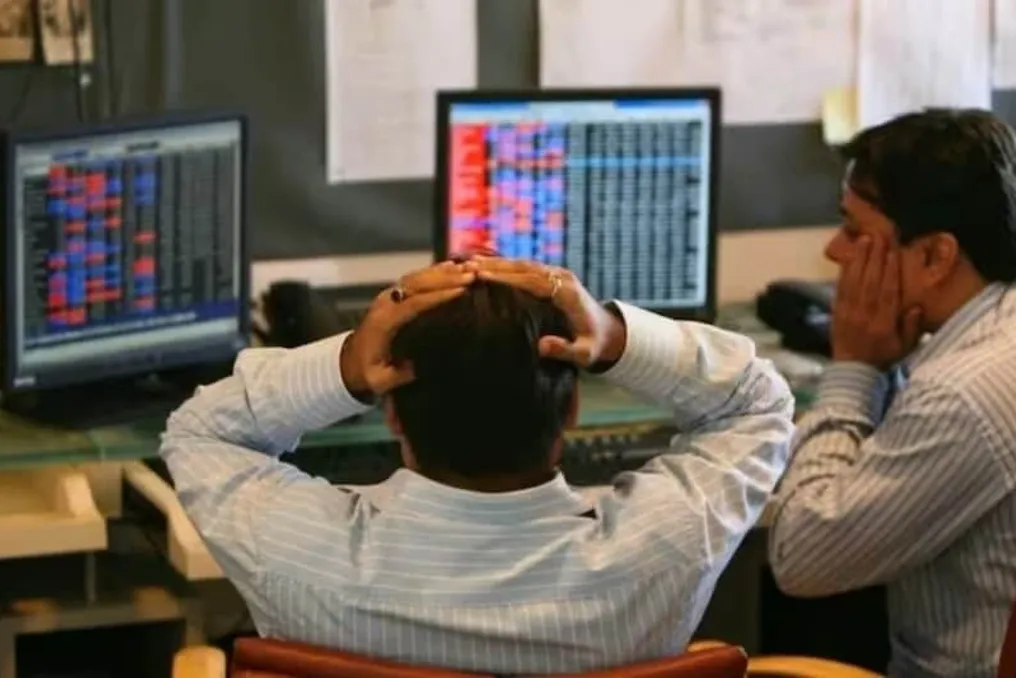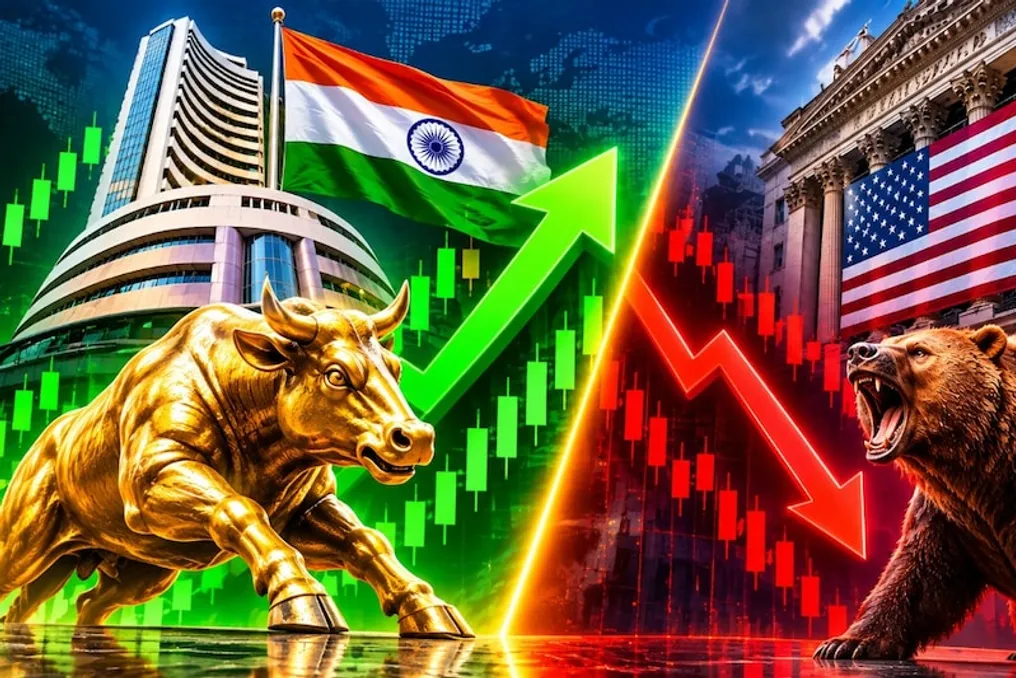
The Indian stock market has shown unexpected growth, demonstrating a steady trend for five consecutive days. During this period, the Sensex index increased by approximately 4000 points, corresponding to a rise of over 5%. Meanwhile, American markets are showing declines: the Nasdaq index fell by almost 5% over five days and decreased by 10% in a month, which is technically classified as a 'bear market' phase.
This raises the question of what caused such a recovery in the Indian market, as previously any increase in pressure on the American market negatively affected India, such as during the conflict between the US and Iran, when the market dropped by more than 15%. However, the market is now trying to stabilize, ignoring external shocks.
A partial support for the market was provided by the decrease in crude oil prices, although this is not yet enough to form a full rally. Corporate reports added further stability. Nevertheless, analysts believe that the most significant positive signal was the announcement by Finance Minister Nirmala Sitharaman regarding the consideration of reducing the Long Term Capital Gains (LTCG) tax. This potential supportive measure strengthened investor confidence.
Thanks to efforts to reduce tensions and attempts at reconciliation between the US and Iran, there is a noticeable drop in crude oil prices in the international market. Since India imports a significant portion of its energy needs, easing oil prices could be a substantial stimulus for the Indian economy.
Although high crude oil costs previously put pressure on the government budget, the government is being aided through the collection of GST. In October 2026, GST collection in India reached 2.31 lakh rupees, which is 22.9% higher compared to the previous year. For the first seven months of the current fiscal year (April-October), total GST collection amounted to 14.78 lakh rupees, exceeding the figures for the same period last year by 13.2%.
This data indicates the maintenance of a high pace of domestic trade, production, and consumption. Strong GST revenue helps the government control the budget deficit, thereby strengthening India's credit rating in the eyes of global rating agencies and investors.
Parallel to global instability, quarterly results from Indian companies are supporting the domestic market. Despite pressure in some sectors, strong performance by certain large companies prevented a market crash. The continuous green momentum over the last five days confirms a high level of confidence among Indian and institutional retail investors.
The Finance Minister acknowledged the need to stabilize the stock market amid the changing global environment and the constant outflow of foreign institutional investors. Significant capital is required to maintain India's GDP growth rate above 7%, making the stability of the stock market critically important. If a tax concession on LTCG is provided in the upcoming budget, it could be a turning point for the Indian stock market.
Despite the current growth, the Indian stock market is still approximately 10% below its peak. The historical high for the Nifty 50 index is 26,373.20 points, reached at the beginning of this year. Over the last 28 months, the Indian market traded within a certain range. The main reasons for the decline were mass selling by foreign institutional investors, pressure in global markets, and weakening valuations in certain sectors.
Despite active selling by foreign investors, domestic institutional and retail investors, who are highly confident in their strength, managed to protect the market from serious shocks. Money flowing through the SIP system helps prevent a market fall, but the long-term sustainability of this trend remains an open question, given that most retail investors who invested in the market over the last two or three years are currently at a loss due to lack of market movement.
Over the past two years, despite turbulence in the stock market, the Indian economy has demonstrated exceptional resilience. Today, India is among the fastest-growing major economies in the world, maintaining a growth rate of around 7%. The main and reliable pillar of the Indian economy is domestic demand. Unlike many developed countries, which are susceptible to global recession due to small populations or reduced demand, India, with a population of over 140 million people, forms a large market independently.
Rising income and changes in the middle class lifestyle stimulate demand in sectors such as automotive, FMCG, real estate, and digital services. Although exports suffer due to the global crisis, domestic demand remains stable, allowing the Indian economy to continue steady growth despite external pressures.