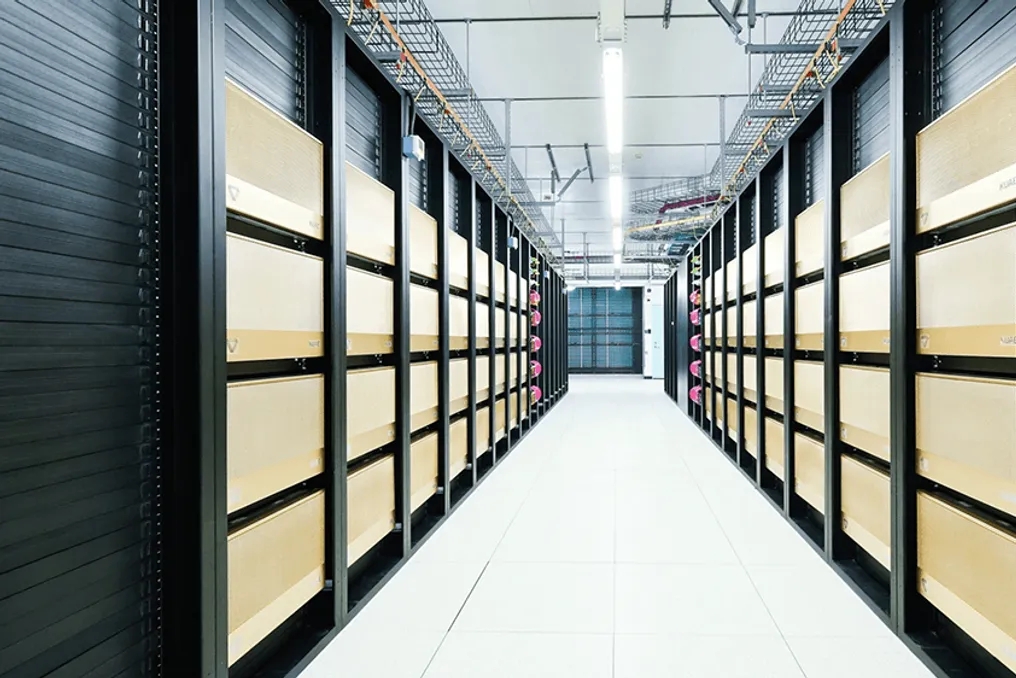
GPUWorks, a lightweight enterprise platform for artificial intelligence inference, was released as open-source under the Apache-2.0 license on November 4. This information was published by IT Home. The code is available on GitHub in the FlitAI organization, allowing enterprises and developers to use, modify, or contribute to inference and chip adaptation templates.
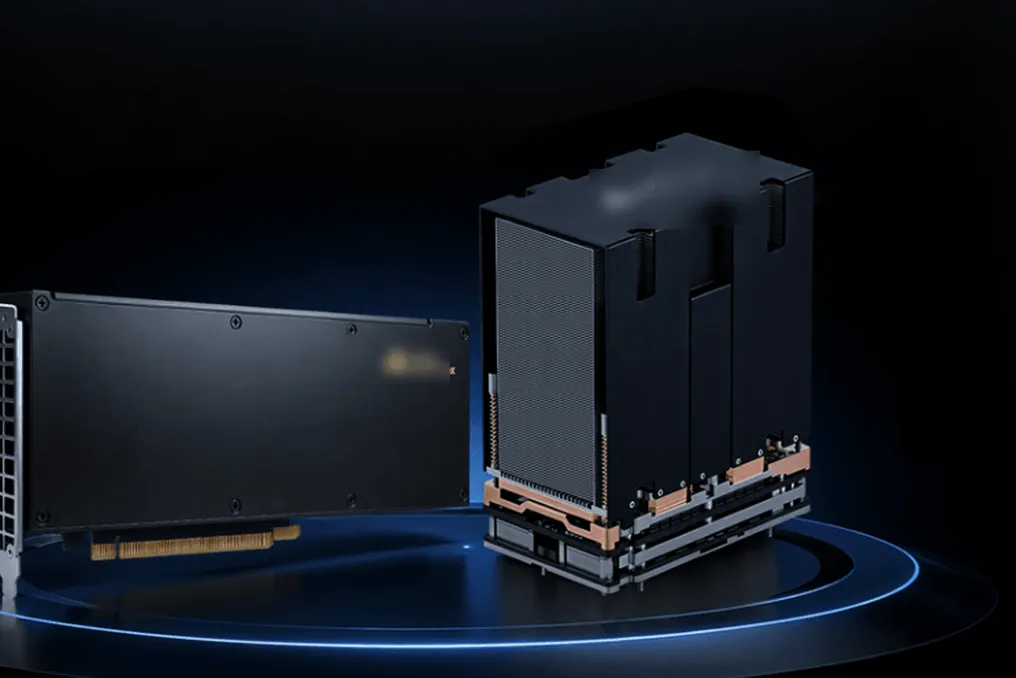
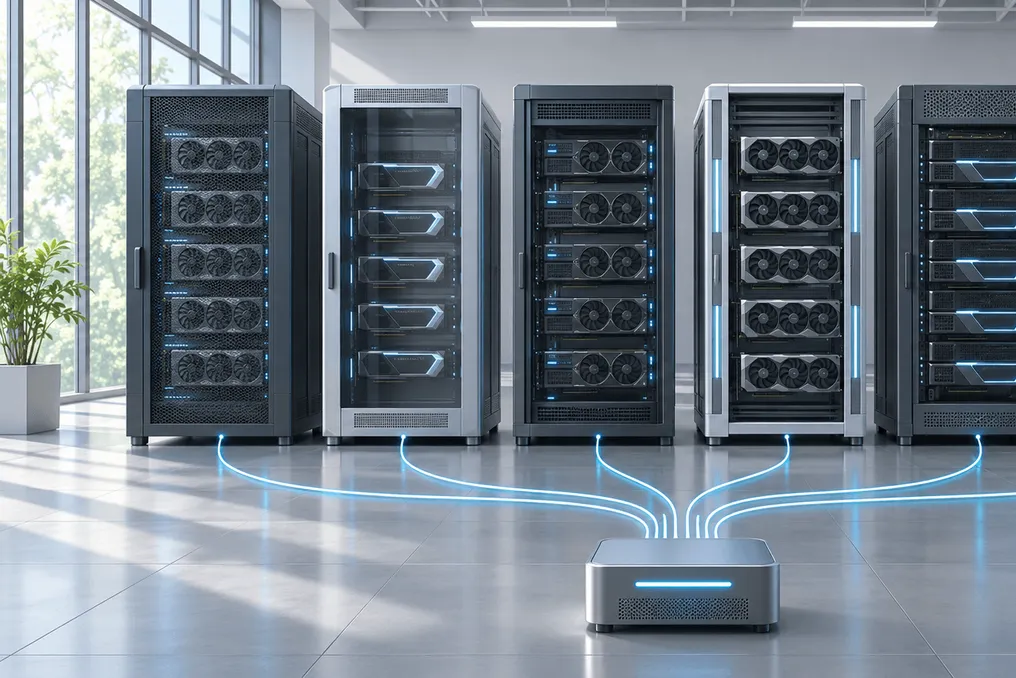
This platform unifies accelerators from various manufacturers and sources into a single managed pool. It maps models to hardware, assesses GPU memory requirements, and deploys models from templates, subsequently providing access via an OpenAI-compatible API. Supported chips include NVIDIA and AMD, as well as Huawei Ascend, T-Head PPU, and Hygon DCU.
Bare-metal servers, virtual machines, and cloud containers can operate within the same cluster, regardless of whether they are located in the company's own data centers, private, or public clouds.
Platform Features and Performance
Developers particularly highlight the solution's compactness: the installer weighs just over 40 MB, installs with a single command in about 60 seconds, and does not require Kubernetes. Users on the internal network can download the installer, model files, and runtime images offline. The catalog includes over a thousand launch configurations for nearly 400 models, with an image, inference engine, weight version, and launch flags packaged for each model-chip combination.
A built-in AI assistant helps diagnose failures, and the scheduler explains every placement decision made. According to the team's own tests, one GPUWorks server was able to manage 1003 GPU servers and spin up over 500 inference replicas in four minutes. The output reached 69,000 tokens per second while using only nine CPU cores and 1.6 GB of memory. The wake-up time for the deployed DeepSeek-V4.1-Flash was only 3.6 seconds.
The wake-up feature allows several large models to alternately use the same GPUs. Level one sleep mode keeps the model weights in host memory, eliminating the need to restart the engine or reload weights from storage. During testing on eight NVIDIA H20 cards, where three large models were distributed across all eight cards, a cold start from NFS storage took between 16 and 17.5 minutes, whereas service recovery after waking from memory took about four seconds, representing an improvement of approximately 200 times. Administrators can configure priority policies, idle eviction, or scheduled rotation.
For more demanding workloads, the platform supports multi-node parallelism, multiple replicas, and separation of preprocessing and decoding, allowing configuration of RDMA networking or Ascend HCCS channels. Built-in load tests are also provided to check throughput and latency before scaling. The system tracks token usage and cache hits per API key, model, and deployment, as well as card hours per million output tokens and unused GPUs. During node maintenance, the platform adds replicas before decommissioning old ones and automatically restores services on another suitable node if a machine fails.