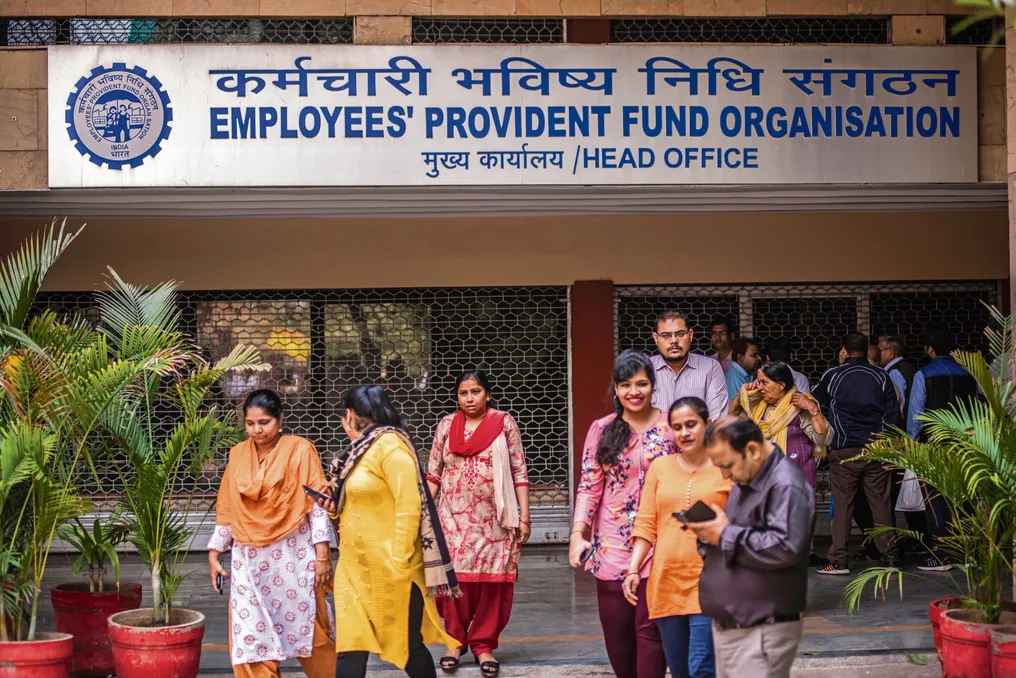
EPFO makes a decision: PF funds will be credited to accounts without an application
Read more
Aaj Tak
www.aajtak.in

EPFO makes a decision: PF funds will be credited to accounts without an application

The Employees' Provident Fund Organisation (EPFO) has announced a significant decision: funds from inactive Pension Fund (PF) accounts will be automatically transferred to account holders without the need to apply for the funds.

This relief applies to those whose old PF accounts have been unused for a long time and contain an amount of 1000 rupees or less. EPFO will now independently conduct the settlement process for such eligible account holders.

After completing identity and bank account verification through Aadhaar, EPFO will initiate the payout procedure. Thus, the account holder will not need to submit a separate application or claim to receive the money.

On the occasion of the 74th anniversary of EPFO's establishment, an automatic settlement feature for small amounts accumulated in inactive Provident Funds (EPF) was launched. Funds in such accounts, not exceeding 1000 rupees, will be transferred to owners without requiring a separate request. This service is available only for accounts verified through Aadhaar.

First, EPFO will conduct the necessary identity and bank account verification of the owner. Then, the organization itself will initiate the disbursement procedure for the funds held in the respective account. This means the account holder will not need to file an application or claim to withdraw the funds. If you have an old PF account, it is recommended to check its balance and Aadhaar and bank verification. If the amount is 1000 rupees or less and the account meets the conditions of the new service, EPFO may start the settlement process without a separate request.

This EPFO initiative is expected to benefit approximately 100 thousand inactive accounts. The calculation could be made for an amount of about 50 million rupees accumulated in these accounts. The goal is to assist people who have small amounts remaining in old PF accounts and who could not withdraw them for some reason.

Certain conditions have been set for this service. The PF account must be inactive. The amount in the account must be 1000 rupees or less. It is crucial that the account holder is verified through Aadhaar. Necessary checks related to identity and bank account must also be completed. EPFO will begin the settlement process for accounts meeting these requirements. However, not every inactive account will benefit from this service; payment will only be made based on the account meeting the criteria and the required verification.

Sometimes old accounts become inactive due to job changes, prolonged lack of PF contributions, or other reasons. Small amounts remain in such accounts. Many account holders cannot withdraw their money due to insufficient information or the inability to go through the application process. The new EPFO initiative aims to deliver these small amounts stuck in such accounts to the rightful owner. This will save account holders from paperwork and application-related problems.

EPFO also reported an acceleration in the claims processing time. In October 2026, the average PF claim processing time was reduced to 2.57 days. According to the organization, thanks to technical improvements and the CITES 2.01 initiative, this process has become faster and simpler than before.

On the occasion of EPFO's founding day, services via WhatsApp were also announced. Under this feature, members can check their PF balance, information on the last five transactions, and their passbook details. Labour and Employment Minister of the Central Government, Mansukh Mandaviya, announced these measures during the celebration of EPFO's 74th anniversary in New Delhi on November 1. He stated that the EPFO fund holds capital of about 32 trillion rupees, received from contributions by over 80 million members. The organization serves about 80 million active contributing members and 8.5 million pensioners.

Similar stories

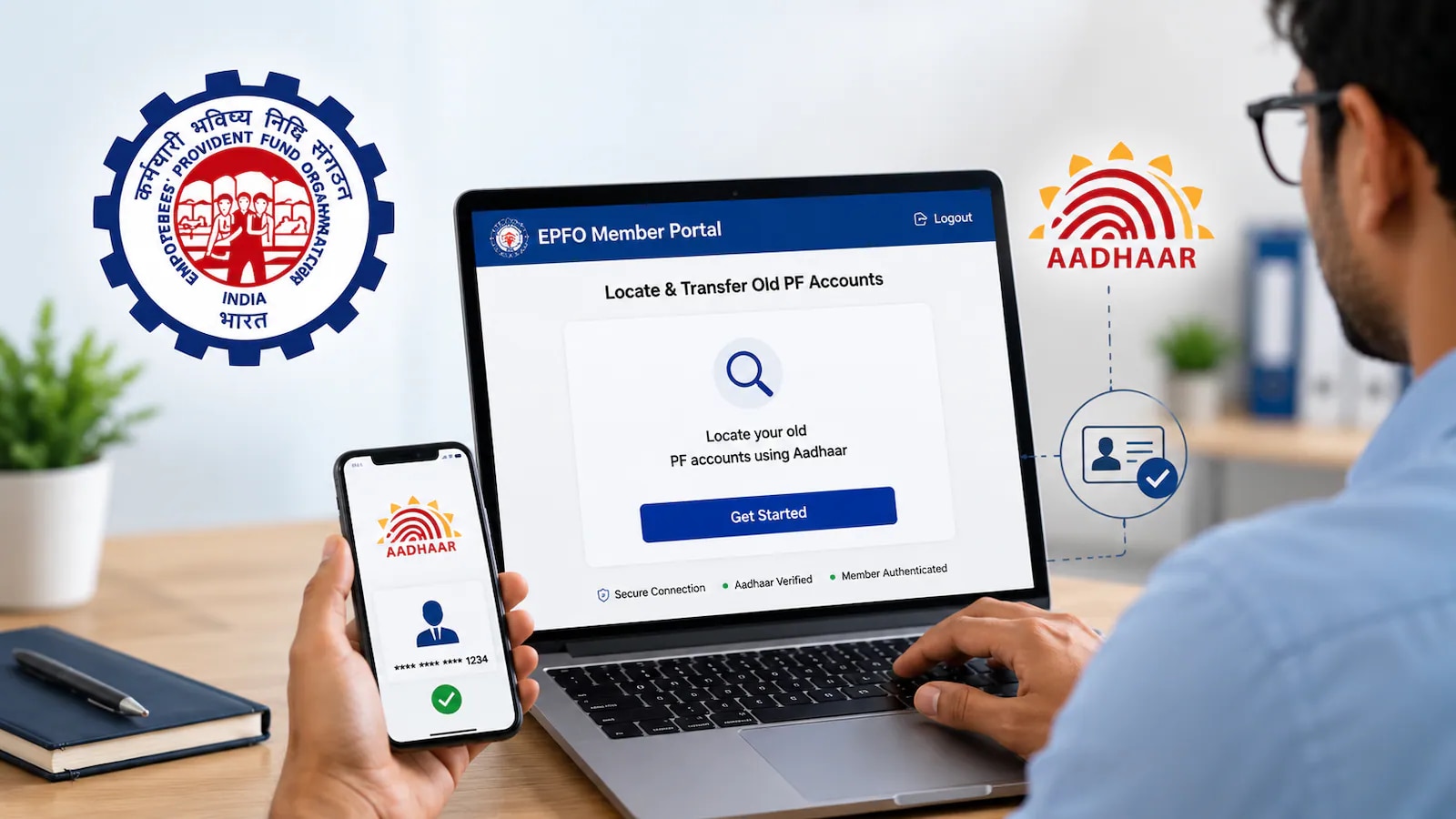
If you encounter issues with the UMANG application: how to check your EPFO statement and receive funds
Read more
www.aajtak.in

If you encounter issues with the UMANG application: how to check your EPFO statement and receive funds

If technical problems arise in the UMANG application, preventing you from viewing your PF statement or checking the status of your fund withdrawal application, there is no need to worry. You can review information about your provident fund (PF) and submit an online claim for money withdrawal through the official portal of the Employees' Provident Fund Organisation (EPFO).

To use this service, your Universal Account Number (UAN) must be activated, and all necessary KYC procedures must be completed. Although the UMANG application is used for numerous government services, due to current technical glitches, difficulties are being observed in opening the EPF statement or viewing application details.

In such a situation, it is recommended to use direct access to the official EPFO portal, which provides the ability to perform all necessary operations related to PF.

First, open the official EPFO website in a browser: epfindia.gov.in. Next, select the relevant option under the 'Member Services' section. Alternatively, you can view the statement using the dedicated EPFO portal: passbook.epfindia.gov.in. Prepare your UAN and password to log in.

After logging in, select the Member ID whose statement you wish to view. This statement will display the amount deposited into the account, as well as details of all transactions. Furthermore, the statement contains information on contributions from both the employee and the employer, as well as accrued interest. If you have multiple Member IDs, ensure that you have selected the correct account.

To withdraw PF funds, log into the EPFO member services and select the 'Online Claim' option. Choose the appropriate claim type according to your eligibility and fill in the required information. Before submitting the application, carefully verify the bank account details and other information. The available claim options depend on your situation and prevailing rules.

Before filing an online claim, you must ensure that your UAN is active. Information regarding your Aadhaar, PAN, and bank account must be linked to the UAN and verified if necessary. If there is an error in the bank account details or other KYC details, it may lead to the suspension of the application, so any incomplete information must be corrected first.

If verification via Aadhaar-based OTP is required during the application process, enter the received OTP on the registered mobile number. Then, follow the instructions provided on the portal to complete the process. It is important to remember that the OTP should not be shared with third parties; the application will only proceed after successful verification.

The status of the submitted online claim can also be tracked on the portal. To do this, log in and navigate to the 'Claim Status' section. If the claim is under processing, periodically check the portal for updates. It should be noted that submitting an application does not guarantee immediate credit to the account, as settlement times may vary.

Conditions for Accruing Interest on PF Fund After Retirement According to EPFO Rules
Read more
www.aajtak.in

Conditions for Accruing Interest on PF Fund After Retirement According to EPFO Rules

One of the most important questions arising for employees after retirement is when to withdraw the accumulated Provident Fund (PF) savings built up through many years of effort. It is important to know how long the EPF account will continue to earn interest after retirement and what consequences may arise from delaying the withdrawal of funds.

Even after retirement, the funds deposited into the EPF account continue to generate interest for a certain period. The Employees' Provident Fund Organisation (EPFO) clarified the rules regarding the accrual of interest on the PF account for employees who retire at the age of 58 through its post on the social media platform X, and also explained why it is not recommended to leave the accumulated amount withdrawn for an extended period.

According to information provided by EPFO, if an employee retires at 58, interest can be accrued on the funds in their EPF account for the next three years. This means that the possibility of earning interest on the amount in the account remains until the age of 61. Consequently, it is not necessary to withdraw the entire EPF amount immediately after retirement; employees can leave the money in the account for some time based on their financial needs and economic situation, while interest continues to accrue on the accumulated amount.

EPFO specified that after three years of retirement, the account becomes Inoperative. According to the EPFO post, once the account becomes inoperative, the accrual of interest on it ceases. Thus, leaving EPF funds indefinitely after retirement is not the correct decision. Employees must monitor the status of their account and plan the withdrawal of funds in accordance with current rules.

Employees are advised to check the status of their accounts and create plans considering the interest accrual period. The accumulated EPF, formed through many years of regular contributions, is an important part of financial security after retirement. Therefore, it is crucial to understand how long interest will be accrued on the funds in the account and when it is best to make a withdrawal. It is essential to confirm the status of your account and the applicable rules with EPFO before making any withdrawal operations.

RBI Rules: What happens to expired Fixed Deposit (FD) terms after 10 years?
Read more
www.aajtak.in

RBI Rules: What happens to expired Fixed Deposit (FD) terms after 10 years?

Fixed Deposit (FD) accounts are very popular among working people and ordinary investors due to the possibility of receiving guaranteed income with a low level of risk. However, sometimes people are unable to claim their funds after the term expires because they missed a bank notification or were unaware of this issue. The question arises: are the funds lost, or do interest payments continue?

According to the Reserve Bank of India (RBI) rules, the fate of the funds after the term ends depends on the instructions provided at the bank and the prevailing regulations. If the funds are not claimed within ten years, they may be transferred to the Depositor Education and Awareness Fund (DEA Fund).

When an FD term expires, the bank pays the depositor the amount according to the bank's policy conditions or extends the deposit with the depositor's consent. Usually, the following scenarios exist:

Automatic Renewal: If the automatic renewal option was selected when opening the FD, the bank may continue to place the deposit according to the current instructions and terms.

Transfer to Bank Account: If a payout upon maturity was specified, the bank sends the funds to the registered bank account according to its procedure.

Interest After Maturity: If the amount of the matured deposit is not paid out, interest may accrue on it at the savings account rate or the agreed-upon matured FD rate, whichever is lower. Thus, there is no guarantee of maintaining the old interest rate after FD maturity.

If no claims are made on the amount, or no activity occurs in the relevant account that would lead to settlement of the amount, within ten years from the FD maturity date, this deposit may fall into the category of unclaimed deposits. According to RBI rules, on the last working day of the month following the completion of the 10-year period, the bank calculates the remaining funds and transfers them to the Depositor Education and Awareness Fund (DEA Fund).

However, this does not mean your money is lost. RBI manages unclaimed amounts held in banks through this fund. The depositor or their legal heir retains the right to claim this amount. To receive the money, one must contact the relevant bank and go through the established procedure.

If the FD depositor passes away and the amount remains unclaimed, the heir or legal successor can apply to the bank. This may require a death certificate, identification documents, and other necessary papers, depending on the bank's requirements. After verifying the documents and the application, the bank makes the payment in accordance with current rules. Therefore, family members should keep information about their FDs, bank accounts, and designated heirs up to date.

If you do not need the funds in the near future, renewing the FD may be an option. Nevertheless, before making a decision, several points must be checked:

Compare Interest Rates: It is necessary to compare the current FD rates at the bank with the rate of your old FD, as a new FD may offer a lower or higher percentage.

Consider the Term: Choose an FD term that matches your needs. Before placing money for a long term, you should assess future expenses.

Check Early Withdrawal Penalties: Understand the terms regarding penalties or interest reductions upon early termination of the FD.

Maintain Fund Accessibility: If you might need the funds for urgent expenses or emergencies, you can consider distributing the entire amount between a savings account or several FDs with different terms instead of keeping all the money in a long-term FD.

Disclaimer: This article is intended only to provide general information. Rules regarding interest, payouts, and claims on FDs may vary depending on the bank's terms and the relevant program. Before taking any action, you must confirm the current rules with your bank.

Popular