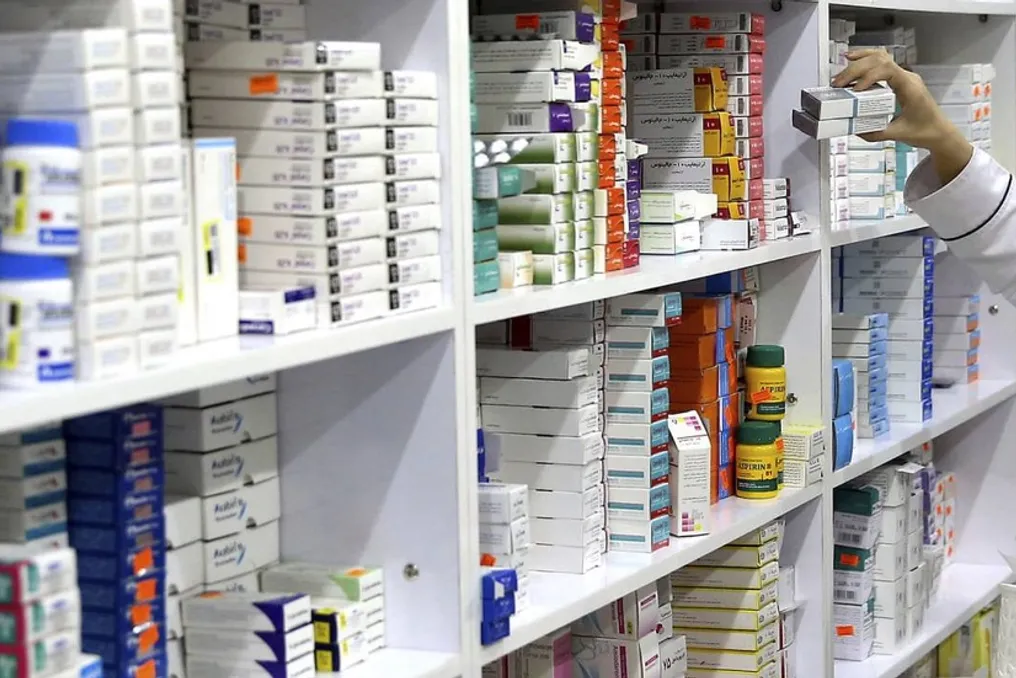
Pilot testing of digital marking of medical devices is underway in Uzbekistan, and businesses are preparing for new standards
Read more
Podrobno.uz [uz]
podrobno.uz

Pilot testing of digital marking of medical devices is underway in Uzbekistan, and businesses are preparing for new standards

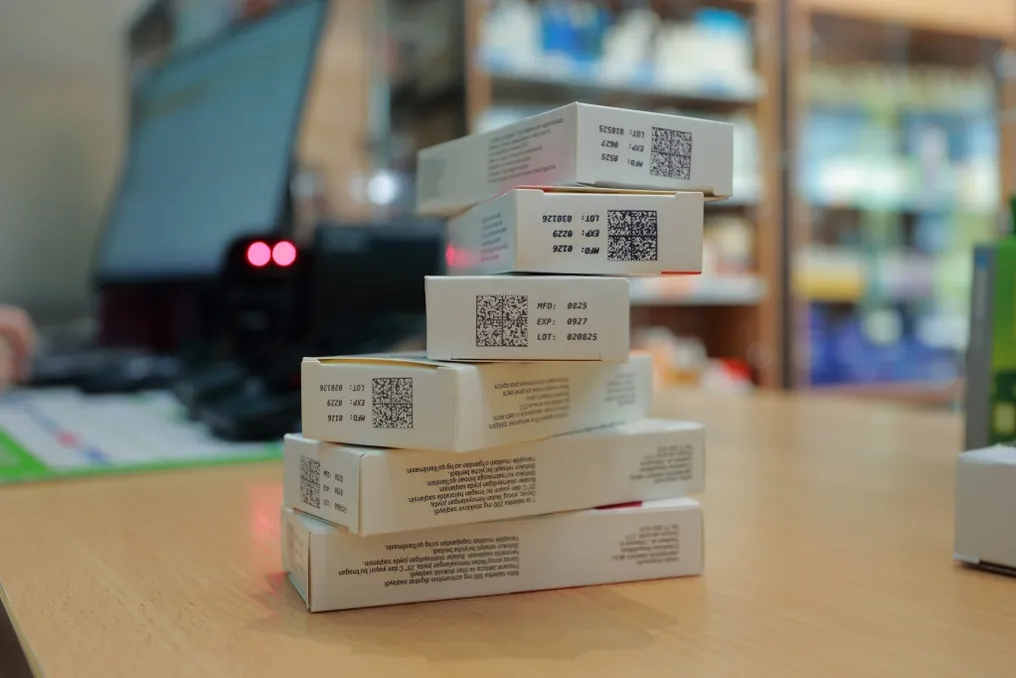
A pilot project on the digital marking of medical devices is being implemented in Uzbekistan, which began on July 1, 2026. This testing allows manufacturers to proactively check the functioning of information systems, configure necessary equipment, and align internal workflows with new regulatory requirements.

The representative office of the Hungarian pharmaceutical company 'Gedeon Richter' in Uzbekistan shared its experience participating in this project. The transition to mandatory digital marking requires manufacturers to conduct thorough preliminary preparations: register their products, master the use of relevant information systems, test equipment, change packaging, and optimize production and logistics chains.

The pilot mode allows all necessary stages to be completed in a test format, which helps identify potential difficulties before the requirements come into force.

Experience in preparing for marking

Nigora Makhsudkhanova, head of the registration department of the 'Gedeon Richter' JSC representative office in Uzbekistan, spoke about the preparation process. The company had previously gained experience in similar initiatives, for example, in 2021 when preparing for the marking of medicines. At that time, specialists had to study the entire sequence of actions and establish interaction with the National Information System Asl Belgisi, from product registration to code application.

A similar approach was applied when preparing for the marking of medical devices. According to Nigora Makhsudkhanova, the goal was to go through the entire marking cycle specifically in a trial mode. Preliminary checks, she notes, allow for the identification of both organizational and technical problems before the new rules become mandatory.

How the testing is conducted

The preparation process began with staff training. Company employees received instruction from Asl Belgisi specialists regarding product registration, obtaining and applying codes, as well as the specifics of marking this new category of goods. Furthermore, work was carried out to integrate ICPU with DataMatrix codes on the Tasnif Soliq platform.

Makhsudkhanova reported that the main workflows were successfully practiced, and any arising issues were resolved promptly. However, the testing demonstrated that implementing marking affects not only the application of digital tags but also other aspects of the company's operations. It is necessary to consider the deadlines for updating packaging designs, forecast warehouse stocks, and anticipate possible logistical and technical complexities in advance.

Impact of marking on company activities

The introduction of the new system required the active involvement of various internal departments. Employees from sales, import, logistics, planning, and production departments were involved in the preparation process. Thus, marking transformed from a purely technical task into an integral part of the overall business process structure. According to the company representative, coordination between these divisions has strengthened and continues even after the completion of the main test tasks.

Significance of the pilot project

Preliminary testing gives manufacturers the opportunity to assess the condition of their equipment and information systems, train personnel, prepare packaging, and account for additional steps when drawing up supply plans. This is critically important for pharmaceutical and medical products, as disruptions in logistics or production can negatively affect supply stability. Participation in the pilot also allows for the early detection of problems that could cause delays upon full system launch.

Feedback from businesses

The pilot project is significant not only for manufacturers but also for the operator of the Asl Belgisi system. During the trials, specialists have the opportunity to assess how effectively the marking mechanisms function in real production and logistical conditions. Questions received from participants help determine areas requiring additional training, clarification, or technical support.

Nigora Makhsudkhanova advises companies that have not yet started implementing marking to study the requirements in advance, undergo appropriate training, and check the technical equipment of their production facilities.

Marking and product traceability

Digital marking implies assigning a unique identifier to each unit of product, which tracks its movement at all stages of circulation. This forms a basis for itemized accounting and ensuring product traceability. Nevertheless, the success of the entire system depends not only on the technology itself but also on the readiness of all market participants to follow the newly established rules. The pilot project provides manufacturers with a chance to test their processes before transitioning to the mandatory system, and the operator receives valuable feedback to adjust the system's operation based on practical business experience.


Similar stories

Uzbekistan will begin phased procurement of medical services from the private sector
Read more
podrobno.uz

Uzbekistan will begin phased procurement of medical services from the private sector

New outsourcing methods will be introduced into the healthcare system of Uzbekistan, according to which medical services will gradually begin to be purchased from private structures. This was announced by President Shavkat Mirziyoyev during a meeting with employees of the medicine and pharmaceutical sectors.

The President emphasized that new medical institutions will be created according to an approved master plan that takes into account both population density and the location of various territories. He noted that there is an imbalance: in some places there is a shortage of hospitals, while in others capacities are not being fully utilized.

Entrepreneurs will be granted the right to occupy spaces in state hospitals to place modern medical equipment. Financing for the provided services will be carried out through the insurance system. Businesses will be able to purchase services such as hemodialysis, laboratory, sterilization, rehabilitation, and physiotherapy procedures. Furthermore, financing conditions and market mechanisms beneficial to entrepreneurs will be established in each region.

Shavkat Mirziyoyev also commented on the growth in the number of private clinics, which has increased from 3.5 thousand in 2017 to over 9 thousand. He pointed out that the private sector already leads in some high-tech areas: its share reaches 90% in dentistry, 70% in diagnostics, and 60% in ENT services, urology, and ophthalmology.

Nevertheless, the head of state noted a significant gap in development between regions. In Andijan, Fergana, Namangan, Samarkand regions, and Tashkent, about 35–40% of private clinics have inpatient wards, whereas this figure does not exceed 15% in Karakalpakstan, Syrdarya, Jizzakh, and Navoi regions.

The President believes that the participation of the private sector remains insufficient in critically important areas such as rehabilitation, nephrology, oncology, neurosurgery, psychiatry, narcology, and maternity hospitals. These areas will receive increased attention. Regional heads will annually determine and publish land plots designated for the construction of private clinics, putting these lands up for auction exclusively for this purpose.

It was previously announced that a unified master plan for the development of medical infrastructure for the period from 2026 to 2036 would be developed. Shavkat Mirziyoyev added that the placement, construction, and equipping of all medical institutions must take into account the real needs of the local population.

Unified master plan for the development of medical infrastructure is being developed in Uzbekistan until 2036
Read more
podrobno.uz

Unified master plan for the development of medical infrastructure is being developed in Uzbekistan until 2036

A unified master plan will be created in Uzbekistan to cover the development of medical infrastructure from 2026 to 2036. President Shavkat Mirziyoyev reviewed the presentation dedicated to the preparation of this plan, as well as issues regarding increasing the share of the private sector in the healthcare system.

The head of state emphasized the necessity of planning the placement, construction, and equipping of medical institutions taking into account the real needs of residents. Work is scheduled to begin with an inventory of existing facilities. In ten regions, 3,499 facilities were identified, which exceeds the data from the Cadastral Agency by 494 units. It is proposed to conduct a full inventory in all regions, introduce electronic passports for facilities, and form a unified digital real estate register in the healthcare sector.

When compiling the master plan for each region, factors such as population size and growth rates, demand for medical services, current capacity of institutions, and the time required to achieve them will be taken into account. The plan will determine which facilities should be preserved, merged, or renovated, where new buildings need to be erected, and what amount of medical personnel will be required. High-tech and complex procedures will be concentrated in hub centers, while basic and emergency care will remain accessible in district institutions.

Using the example of the Samarkand region, it was shown that despite 80% of the population living in rural areas, hospital beds account for only 41.7%. The master plan aims to increase this share to 67%. Furthermore, in the cities of Urgut, Kattakorgan, and Pastdargom, the creation of 1,500 new beds is planned by 2030.

A draft resolution concerning the expansion of private sector participation was also considered. The procurement of hemodialysis, laboratory diagnostics, and equipment maintenance services under outsourcing conditions is planned. Concluding agreements for up to five years will allow private companies to invest funds on a long-term basis. The President instructed to refine these proposals and implement them in stages.

It was previously mentioned that the World Bank is preparing a financing program worth $100 million to reform primary healthcare specifically in the Samarkand region. This program is aimed at improving conditions in family clinics, enhancing the qualifications of medical workers, and digitizing the entire healthcare system.

Uzbekistan is checking drug suppliers due to pharmacy complaints about forced imposition of medications
Read more
podrobno.uz

Uzbekistan is checking drug suppliers due to pharmacy complaints about forced imposition of medications

Checks have begun on medical suppliers in Uzbekistan following appeals from pharmacy chains. Complaints state that wholesale suppliers compel pharmacies to purchase additional medicines that were not originally ordered.

The Competition Committee is examining the possibility of violations and warns pharmaceutical companies that imposing additional conditions may result in financial penalties.

According to agency data, 305 companies imported medicines into the country during the first nine months of 2026. The five largest importers accounted for 47.2% of the total import volume.

The Committee also drew attention to the dynamics of pharmacy infrastructure development. As of October 1, 2026, there were 14.6 thousand pharmacies operating in the country, including 449 wholesale and over 14 thousand retail ones. There was a decrease in the number of main retail pharmacies from 8.5 thousand in 2023 to 7.9 thousand, but the number of their branches increased from 4.6 thousand to 6.2 thousand.

The agency emphasizes that the practice of imposing additional goods can negatively affect small businesses, restrict their operations, and hinder fair competition. A typical example is when a supplier offers to sell a necessary drug to a pharmacy only on the condition that it also purchases other unrequested medicines.

Legislation enshrined in the 'Competition Law' directly prohibits the abuse of dominant position. Specifically, it is unacceptable to impose additional conditions on counterparties by forcing them to buy goods unrelated to the initial transaction or refusing cooperation with this supplier's competitors.

If violations are confirmed, companies may be subject to financial sanctions. The amount of these fines can reach 5% of the revenue generated from goods sales during the period of violation, but cannot exceed the sum for the last three years.

Currently, the Competition Committee continues to study the situation in the wholesale drug trade market in detail. If it is established that the forced sale of unsolicited medicines constitutes a violation of the law, suppliers will face legal liability.

Previously, in Tashkent pharmacies, cases of selling medicines at prices significantly exceeding established maximum limits were identified during 'mystery shopper' checks.

Popular