Residents of the United Arab Emirates (UAE) are increasingly preferring more spontaneous and shorter trips during national days and winter holidays. Tourism companies note a rise in bookings made less than a week before departure, as families seek convenient ways to relax while avoiding long international journeys.
According to industry leaders, packages for domestic leisure and regional tours across the Gulf Cooperation Council (GCC) countries are now being arranged just 7–10 days before travel, a significant reduction from the previous timeframe of three to four weeks.
Travelers are adapting the duration and location of their vacations while remaining keen on traveling. Popular destinations include two-day beach trips to Ras Al Khaimah and Fujairah, as well as five-day holidays in Georgia, Azerbaijan, and other destinations with short flights.
This shift is attributed to geopolitical uncertainty, which has caused some residents to exercise greater caution regarding foreign travel. However, industry experts emphasize that this has not led to mass cancellations. Instead, many are choosing destinations that offer convenient flight connections, simplified entry requirements, and better accommodation options within the UAE.
Adil Tanrıverdi, CEO of Tripventura, noted that spontaneous bookings and shorter breaks are becoming increasingly common. He added that this trend is particularly noticeable among residents aiming to maximize weekends, public holidays, and school breaks without needing to plan long trips.
He stated, 'The trend towards micro-vacations and spontaneous bookings is more noticeable than ever. Currently, about 45 percent of our domestic leisure packages and GCC regional packages are booked just 7–10 days before travel, whereas previously the booking period was closer to three or four weeks.'
For domestic travel, the preferred duration is two to three nights, especially at the beach and desert resorts of Ras Al Khaimah, Fujairah, and Abu Dhabi. Those opting for short regional routes prefer four-to-five-day plans in places like Musandam and Salalah in Oman, Baku, and Tbilisi.
According to Tanrıverdi, shorter breaks allow residents to travel more frequently without experiencing the fatigue associated with long vacations. He reported a 30–35 percent increase in domestic leisure bookings compared to the same period last year.
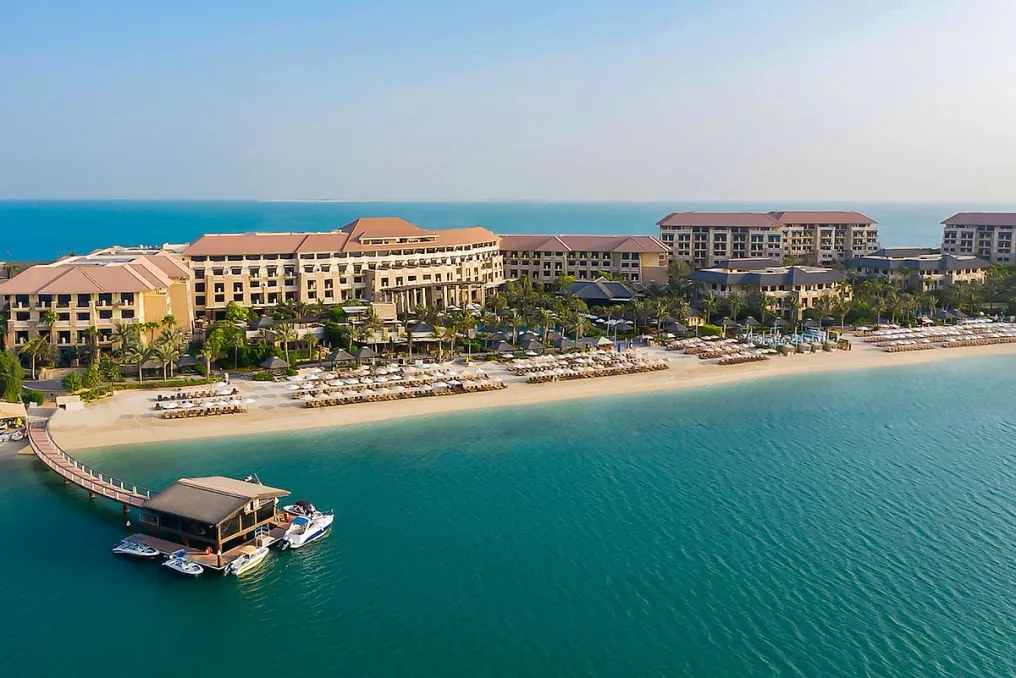
Instead of abandoning international travel, residents are increasingly combining local excursions with planned international holidays. The hospitality sector offerings in the UAE, especially with the onset of the winter season, make this hybrid approach attractive to families.
'Instead of feeling restricted, families are choosing a 'hybrid' mode: combining frequent weekend trips to Dubai, Ras Al Khaimah, Abu Dhabi, and Fujairah with their planned seasonal overseas trips,' he noted.
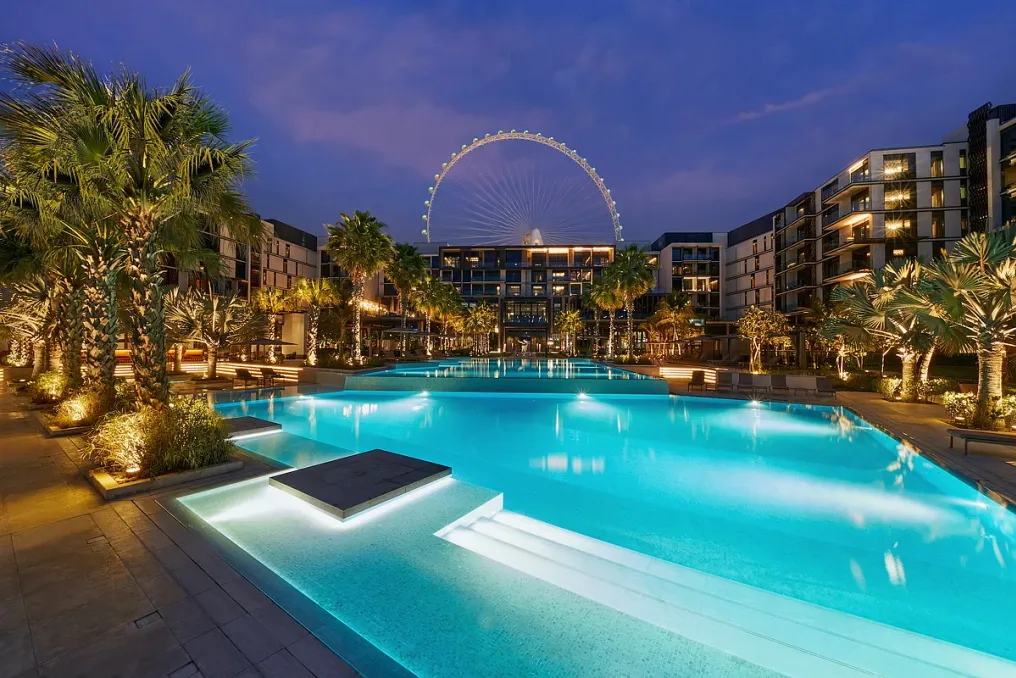
Rina M. Philip, Director and General Manager of Aurora Travel and Tourism in Dubai, reported that her company is also receiving requests for local accommodation as residents look to take advantage of competitive hotel rates. Philip specifically highlighted the interest from residents of Dubai and Sharjah in good hotels within the UAE.
'At the same time, we are receiving a significant number of requests for local stays, especially in good Dubai hotels. In my opinion, at the current level of hotel occupancy this year, rates are slightly lower than in previous years,' she said. More attractive prices are prompting residents to consider local travel instead of going abroad.
'We are seeing strong interest from residents of Dubai and Sharjah who want to take advantage of these more attractive hotel rates and enjoy local travel,' Philip added.
For those still interested in international travel, shorter vacations are gaining popularity in locations with relatively simple visa procedures and easy connectivity. 'We see some clients choosing short five-day trips to places like Georgia and Almaty (Kazakhstan), Vietnam, because visas can be obtained faster. Others are traveling to Europe with existing Schengen visas,' she reported.
Nevertheless, Philip stressed that geopolitical events remain a factor considered by many UAE residents when deciding on foreign travel. 'Many people remain hesitant about traveling abroad because the geopolitical situation sometimes becomes a cause for concern. This has affected holiday planning among UAE residents this year,' she said.
Tanrıverdi clarified that uncertainty has prompted travelers to revise routes and destinations rather than canceling vacations entirely. He reported that cancellations in Tripventura's portfolio remained 'below 5 percent.' He concluded that 'UAE travelers are resilient, experienced, and practical—instead of canceling their plans, they actively redirect them.'
The company recorded a temporary decrease in demand for leisure trips along certain corridors with many transit stops and in some parts of the Eastern Mediterranean by approximately 15–20 percent. Simultaneously, there was a shift in demand towards destinations with direct flights and simpler entry requirements. 'We are seeing a 25 percent surge in external demand for stable alternatives with short and medium haul, such as Oman, Azerbaijan, Georgia, Turkey, and Central European cities,' he repeated, emphasizing that the desire to travel remains fully intact; travelers have simply become more selective in choosing the most convenient routes.