November 3rd is International Biosphere Reserve Day, recognized by UNESCO. These territories, part of the UNESCO 'Man and the Biosphere' (MAB) Programme, combine biodiversity conservation, scientific research, and sustainable development.
They demonstrate how ecosystem protection can go hand in hand with supporting local communities. The urgency of biodiversity conservation measures was emphasized at the 17th meeting of the Conference of the Parties (COP17) to the Convention on Biological Diversity, which concluded in Yerevan, Armenia, on October 31, 2026.
At this meeting, the first global review of collective progress under the Kunming-Montreal Global Biodiversity Framework was conducted. This framework sets 23 goals for 2030, including the conservation of at least 30 percent of terrestrial and inland freshwater areas, as well as coastal and marine zones. The review showed that the world is lagging in achieving these goals.
The Parties adopted nearly 50 decisions and the 'Yerevan Course,' which defines priorities for accelerating implementation, strengthening monitoring and reporting, and increasing support for developing countries.
A longer-term roadmap was approved at the 5th World Congress of Biosphere Reserves in Hangzhou, China, in 2025. The 'Hangzhou Declaration' and the 'Hangzhou Action Plan' for the UNESCO MAB Programme and its World Network of Biosphere Reserves (2026–2035) lay the foundation for the network's work over the next decade.
The plan includes three strategic objectives: promoting conservation agreements, strengthening the MAB network, and developing research and knowledge exchange. It also provides for 34 voluntary targets and encourages cooperation with indigenous peoples and local communities.
China has 36 UNESCO Biosphere Reserves, including the Dazhishan Biosphere Reserve in Inner Mongolia and the Zhoujiji Biosphere Reserve in Shaanxi, which were included in 2025. In addition to these officially recognized reserves, broader restoration efforts in China serve as an additional example of how ecological restoration can benefit both people and nature.
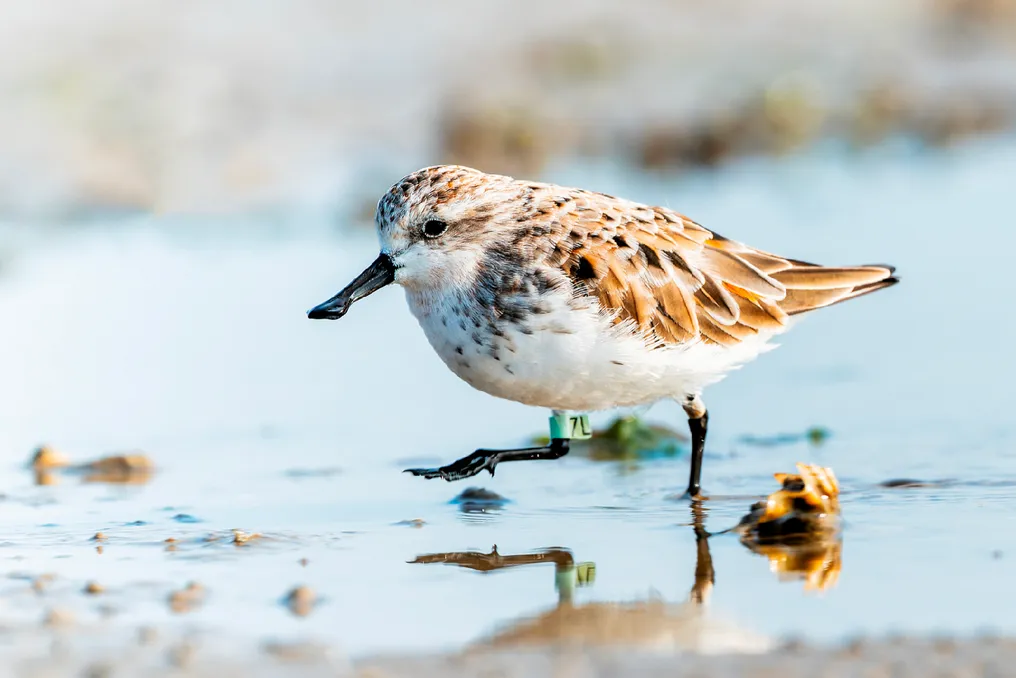
In Baotou, Inner Mongolia, wetlands along the Yellow River serve as habitat for about 100,000 migratory birds annually. This area supports 242 bird species, which is 165 more than at the end of the 1990s.
On Dianchi Lake in Yunnan Province, restoration work has helped revive underwater ecosystems: the density of submerged plants has increased from less than 2% to 60%. Technology also supports conservation efforts. On Dianchi Lake, an AI-based monitoring system uses high-resolution cameras, drones, and deep learning algorithms to identify bird species, count populations, and record their behavior. It has achieved an accuracy of over 90%, providing data for studies on bird migration, breeding habits, and wetland conditions.
China also contributes to global biodiversity conservation efforts by allocating 400 million yuan (about 60 million US dollars) to the Kunming Biodiversity Fund. This fund has approved 31 projects in 45 developing countries. During COP17, nine projects worth about 4.5 million US dollars were approved under the first phase of the third funding round.
The UNESCO World Network of Biosphere Reserves now includes 797 sites in 145 countries, covering 7.5 million square kilometers, which accounts for more than 5% of the Earth's landmass. As countries work to translate biodiversity commitments into real action, biosphere reserves offer practical ways to connect ecosystem conservation, scientific knowledge, and sustainable development.