The Function of the Black Mesh Behind the Refrigerator and the Need for Cleaning It
Read more
Aaj Tak
www.aajtak.in

The Function of the Black Mesh Behind the Refrigerator and the Need for Cleaning It

A refrigerator is a household item used by almost everyone in homes. It is indispensable both for cooling water in the summer and for preserving the freshness of vegetables, fruits, milk, and food products. However, many people never pay attention to the back of the refrigerator when they slightly pull it away. There, you can often see a black mesh or a tubular structure. A natural question arises: why is this black mesh located behind the refrigerator? Is it just an external element or does it perform some specific function?

The main question that arises concerns the necessity of cleaning this mesh. If cleaning is required, how often and in what way should it be done?

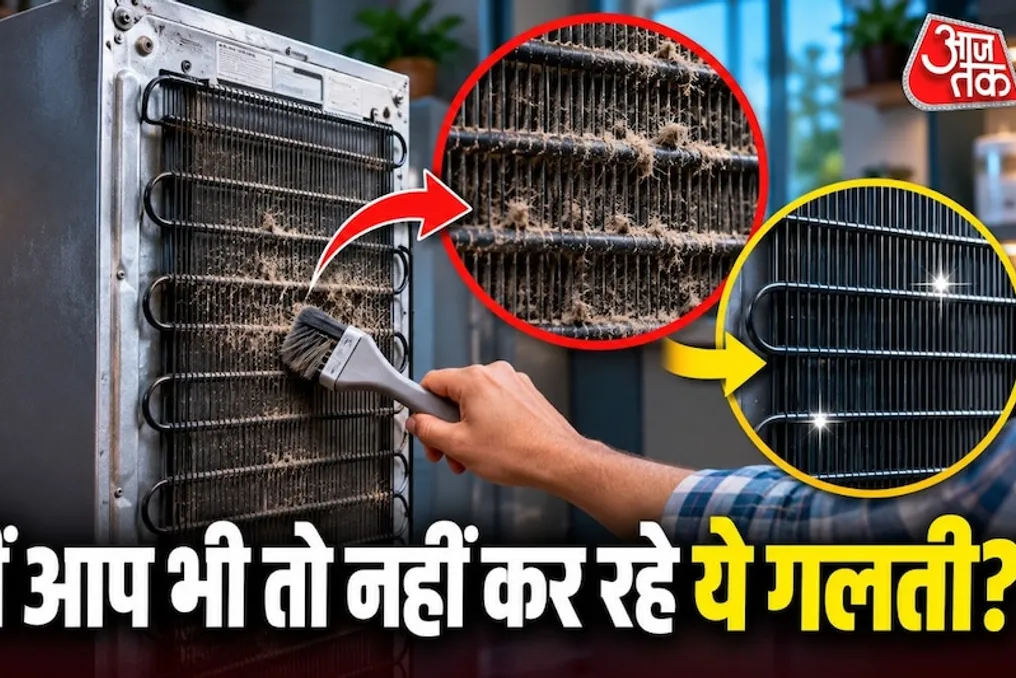
In fact, this black mesh located behind the refrigerator is directly related to the cooling process of the appliance. It is called the condenser coil. Let's look at how it functions in simple terms and why its maintenance is important.

The black mesh visible at the back of the refrigerator is the condenser coil. Its main task is to dissipate the heat generated inside the refrigerator. The question arises: if the refrigerator cools the contents, why is heat coming out the back? The reason lies in a special gas that circulates inside the refrigerator, called refrigerant. This gas absorbs heat from inside the refrigerator and transfers it to the condenser coils at the back. Then these coils release the accumulated heat into the room air. It is thanks to this process that the temperature inside the refrigerator remains low, and the food stays cold. Simply put, the black mesh at the back is responsible for heat dissipation. If it works incorrectly, it can cause problems with maintaining coolness in the refrigerator.

Cleaning this mesh is necessary. Over time, dust, dirt, cobwebs, and even pet hair can accumulate on it. When too much contamination builds up, the heat dissipation process is disrupted. As a result, the refrigerator has to exert more effort to maintain a low temperature. This can also affect electricity consumption, as the refrigerator will use more electricity for cooling. Furthermore, the refrigerator's compressor may run longer. Therefore, it is recommended to regularly clean the black mesh behind the refrigerator.

The frequency of cleaning depends on the level of dust in your home. Generally, it is sufficient to clean it once every six months. If there is a lot of dust or pets in the house, cleaning may need to be done more often. It should be noted that in different refrigerator models, the condenser coils may be located differently: in some, they are at the back, and in others, they are at the bottom.

The cleaning process is not complicated, and it can be done yourself using simple methods:

  1. First, disconnect the refrigerator from the mains by unplugging the plug from the socket. This ensures safety during cleaning.
  2. Carefully move the refrigerator away from the wall to gain easy access to the mesh at the back. It is important not to damage electrical wires or plumbing pipes while doing so.
  3. Remove dust using a soft brush or vacuum cleaner. If the contamination is severe, remove it gradually.
  4. Do not damage the coil. Sharp objects should not be used, nor should the mesh and tubes be pressed or pulled forcefully during cleaning, as this can damage the internal components of the refrigerator.
  5. After completing the cleaning, return the refrigerator to its place and plug it back into the mains.

The refrigerator should not be placed flush against the wall. Some space must be left around it so that warm air can exit freely. If there is no space around the refrigerator for air circulation, heat dissipation will be hindered, which will negatively affect the refrigerator's ability to cool. Although the distance between the refrigerator and the wall depends on its model, it is strongly recommended to consult your refrigerator's manual.

There are several simple mistakes to avoid: do not allow dust to accumulate on the rear mesh; do not use wet rags or water directly for cleaning; do not use knives or other sharp objects to clean the coils; do not press the refrigerator flush against the wall; always leave free space for air movement around the refrigerator.

In conclusion, the black mesh behind the refrigerator is not a decorative element but plays a critically important role in the cooling process. Regular cleaning and ensuring the correct distance between the refrigerator and the wall help maintain its functionality.


Similar stories

It is not recommended to store 10 items on the top of the refrigerator due to potential risks
Read more
www.aajtak.in

It is not recommended to store 10 items on the top of the refrigerator due to potential risks

When kitchen space is limited, people often start using the free space above the refrigerator as an extra shelf. Many place various items there: bottles of oil and spices, bread, cookies, chips, medicines, and cleaning agents. Although this method helps to somewhat organize kitchen utensils, storing all of this on the refrigerator is not correct. Sometimes this simple space-saving trick can degrade product quality and become a source of problems.

Since the refrigerator emits heat during operation, and proper air circulation around it is necessary, items placed on top may be exposed to heat. This can lead to the spoilage of some food products, changes in the taste and quality of other goods. Furthermore, clutter on the top makes cleaning difficult, and improperly placed items can fall.

Below is a list of items that should strictly not be stored on the refrigerator, with explanations for each.

1. Bottles of oil and spices: Cooking oils and spices are used in almost every kitchen. Some people place them on top for easy access. However, heat can affect the quality of the oil. Especially oil in a transparent bottle can spoil quickly under the influence of light and heat. The aroma and taste of spices may also suffer. Therefore, oil and spices should be stored in a cool, dry place with little light.

2. Bread, cereal, and chips: While it is convenient to keep bread, cornflakes, chips, and other snacks on top, this is detrimental to their quality. Due to heat and humidity, bread can quickly go stale, and the crispiness of chips and flakes will decrease. Bread should be stored in a dry place, and snacks according to the package instructions.

3. Alcohol and other bottles: If you store wine or other alcohol on the refrigerator, it is better to change this habit. Frequent temperature fluctuations can negatively affect the taste and quality of beverages, especially wine, which requires maintaining a specific temperature. A suitable place must be chosen for such bottles, not the top of the refrigerator.

4. Medicines: Storing medications on the refrigerator is also undesirable. Many medicines require maintaining a constant temperature; increased temperature can affect their effectiveness and quality. Not all medicines necessarily need to be refrigerated. Instructions on the packaging should be read, and preparations should be placed accordingly.

5. Cleaning chemicals: It is advisable to avoid placing cleaning agents, phenol, and other detergents on the refrigerator. Bottles placed high up can fall when someone tries to reach them. If there are small children in the house, there is a risk they might reach them. Such products should be stored away from food and out of reach of children, according to package instructions.

6. Candles, matches, and lighters: It is incorrect to stack candles, matches, and lighters on the refrigerator. Flammable items such as paper, paper towels, and napkins should also not be stored near them. These items must be kept in a safe place, away from sources of heat and fire.

7. Heavy boxes and large pots: One should refrain from using the top of the refrigerator as a storage shelf for heavy boxes, large cookware, or containers with contents. Due to their weight, items can fall and injure someone. This can also cause scratches or dents on the refrigerator body. It is important to adhere to the manufacturer's instructions regarding permissible weight.

8. Microwaves, toasters, and other electronic devices: Some people place microwaves, toasters, or other small gadgets on the refrigerator to save space. Before doing so, it is necessary to read the operating and ventilation instructions for both devices. Microwave ovens and toasters require sufficient space to operate, and the refrigerator may require proper ventilation to dissipate heat. Therefore, they should be placed in a separate and sturdy location, not on the refrigerator.

9. Perishable foods: Temporary placement of fruits, vegetables, or other perishable foods on the refrigerator should be avoided. The temperature there is not controlled in the same way as inside the refrigerator. Due to heat, some products can spoil quickly. Such products should be stored in the refrigerator or in a place with controlled temperature, depending on their needs.

10. Plastic containers and bins: Before placing plastic containers on the refrigerator, one must check if they are designed to withstand heat. Constant contact with heat can lead to the deformation of some plastic containers or reduce their service life. If the containers hold food, they should be kept away from heat.

How to fix refrigerator door seal problems yourself
Read more
www.aajtak.in

How to fix refrigerator door seal problems yourself

Refrigerators are used in every home regardless of the season, as they store milk, vegetables, leftovers, and fruits. However, problems often arise that can become a serious headache. One such problem is the improper closing of the refrigerator door. It is worth considering: if the door does not close tightly after being shut or constantly opens, it can lead not only to cold air leakage inside but also to increased electricity consumption. Furthermore, food stored in the refrigerator is at risk of spoilage.

Many people tend to ignore this issue, considering it minor, or immediately call a mechanic. Nevertheless, the cause is often hidden in very small details that can be fixed by oneself. Below is a guide on what to do instead of calling a specialist if the refrigerator door does not close properly.

Firstly, you need to clean dirt from the rubber seal of the door. Around the refrigerator door is a rubber strip known as a gasket or seal, whose function is to prevent cold air from escaping. With daily use, dust, grease, and traces of food can accumulate on this strip. This prevents the rubber from adhering tightly to the door, causing cold air leakage. Thus, dirt accumulation on the rubber seal can be the reason for the poor door closure.

In this situation, you should carefully inspect the rubber strip. If dirt has accumulated on it, it must be thoroughly cleaned by wetting a soft cloth with warm water. After cleaning, the surface should be wiped dry with a dry cloth to avoid residual moisture. If the rubber is torn, falls out of place, or worn out, it needs to be replaced.

Secondly, you should avoid overfilling the refrigerator with food. Sometimes the problem is not with the door itself, but with the contents inside. If large bottles, boxes, dishes, or trays of vegetables protrude from their place, the door will not be able to close completely. The problem can also arise from bottles placed on the door that do not fit perfectly. To avoid this, you need to organize the storage of food inside the refrigerator correctly. Check whether any boxes, bags, or trays are obstructing the door. After placing the food, check if the door closes correctly. It is important not to overload the refrigerator and leave enough space for cold air circulation.

Thirdly, you need to check the space under the refrigerator and its feet. If the door frequently opens or does not close on its own, it is possible that the refrigerator is not balanced correctly. If the refrigerator is installed crookedly or unevenly, this can affect the door's operation when opening and closing. You must ensure that the refrigerator stands on a level surface. You should also check the condition of the adjustable feet located underneath. Proper placement of the refrigerator in a stable position will help the door work correctly. However, one should not adjust the feet independently without proper knowledge. If the problem persists, a technician should be called for inspection.

Fourthly, you should check if the door hinges have loosened. Hinges play an important role in opening and closing the refrigerator door. With prolonged use or excessive load on the door, they can loosen. This causes the door to start tilting to one side and not close airtight. If there is noise when closing the door, excessive play is felt, or it looks tilted, the hinges need to be checked. They may need to be tightened or replaced. Self-repair or disassembling parts is not recommended; it is better to consult a specialist.

Fan Cleaning Tips: How to Clean a Ceiling Fan Using a Pillowcase Before Diwali
Read more
www.aajtak.in

Fan Cleaning Tips: How to Clean a Ceiling Fan Using a Pillowcase Before Diwali

With the approach of the Diwali festival, a general cleaning of the entire house begins. The most challenging task is often cleaning the ceiling fan, as dust and cobwebs must be removed from all corners. The process of taking down the fan and the subsequent fall of all dirt and dust onto the bed or floor causes a lot of trouble.

If you want to quickly and effortlessly tidy up your fans before this Diwali, an old and proven method will help you. Below is the simplest way to clean a ceiling fan without removing it, using an old pillowcase.

Fan Cleaning Tips:

First, take any old cotton or microfiber pillowcase that you no longer use. Then, standing on a stable ladder or chair, carefully insert one fan blade into this case so that the blade is completely inside, similar to how a pillow is covered with a case.

After that, grab the open end of the case with both hands and gently pull it outwards. With this movement, all the black dust and dirt settled on the blade will remain inside the case. Not a single particle of dust will fall onto the floor or objects below.

The same procedure should be repeated for all other fan blades. For a final shine, if there are greasy spots or stubborn stains remaining on the fan after removing the dry dust, you can wipe the fan with a damp cloth containing a small amount of vinegar or liquid soap. This will make the fan look brand new and shiny.

Popular