LPG Crisis in Pakistan: Soaring Gas Prices to 7000 Rupees Force People to Cut Food Spending
Read more
Aaj Tak
www.aajtak.in

LPG Crisis in Pakistan: Soaring Gas Prices to 7000 Rupees Force People to Cut Food Spending

Pakistan continues to face numerous difficulties, including a growing debt burden and a severe energy crisis caused by supply issues from the Iranian border. The price of liquefied petroleum gas (LPG) has reached astronomical heights, negatively affecting taxi drivers who are forced to cut back even on their food expenses.

The situation is particularly dire in Lahore, where a large portion of vehicles operate on LPG. The new LPG crisis is directly linked to Iran. The closure of the border with Iran has been a serious blow to the government of Pakistan led by Shahab Zarif.

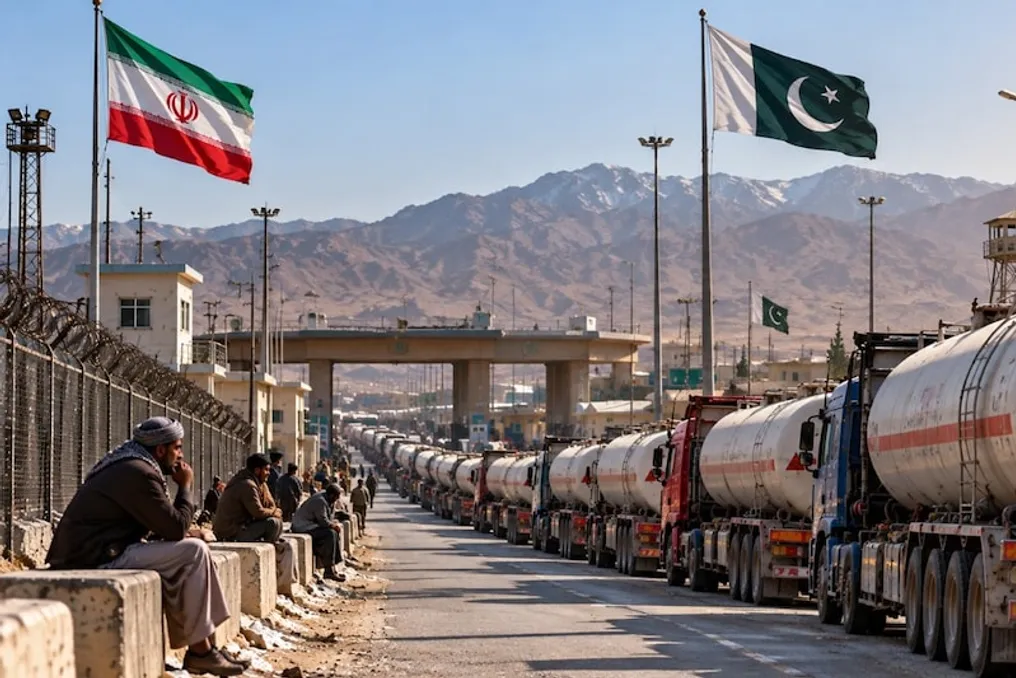
Due to the border closure, trucks carrying LPG tankers and other goods are stranded at the border, leading to a sharp spike in domestic LPG prices. The Pakistan LPG Association reports that approximately 7,000 metric tons of LPG were previously imported daily from Iran, but this import is now halted.

Pakistani traders note that since October 17th, LPG prices have continuously risen following the closure of two Iranian border crossings, which stopped gas imports. This energy shock is the largest and newest since the war between the US and Iran began in February. Local entrepreneurs reported that just days after the borders closed, the cost of a 12-kilogram cylinder increased by 56%, reaching 7,000 Pakistani rupees. On the open market, LPG is sold at approximately 583 rupees per kilogram.

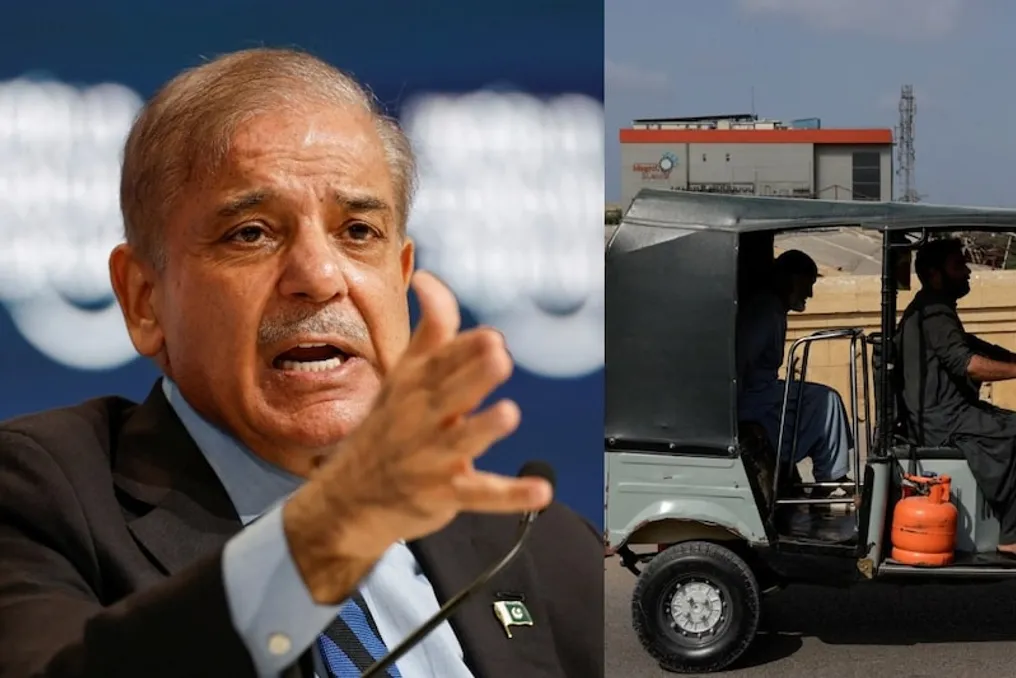
According to a Reuters report, Rashid Ali, a rickshaw driver in Lahore who has worked in East Pakistan for the last 13 years, spoke about the problems associated with the LPG crisis. His workday starts at 6 AM and often lasts until midnight, and he used to earn about $6.50 (approximately 1800 Pakistani rupees) daily, which was enough for his family's basic needs. However, due to the rise in LPG prices, he now earns less than half of that amount.

33-year-old Ali is one of thousands of Pakistani drivers whose vehicles run on LPG for cooking. He stated that he now earns only $3 a day, forcing his family to reduce their diet. He emphasized that living has become impossible due to the high cost of gas. Furthermore, he noted that passengers are unwilling to pay higher fares even when gas prices increase. According to him, for a trip that should cost 200 or 250 rupees, passengers pay only 80, 100, or a maximum of 150 rupees.

Majid Ghauri, chairman of the Awami Automobile Union, calls LPG 'fuel for the poor.' He specified that the union includes 43,000 auto-rickshaws, about 70% of which, or roughly 8,000 three-wheeled vehicles, run on LPG. While drivers face the consequences of rising LPG prices, passengers are also struggling. In a Reuters report, local passenger Mohammed Ramzan recounted that when the driver requested 500 rupees for a city trip, he offered to pay half, after which the driver refused to go.

The LPG crisis is not the only problem in the country; Pakistan is experiencing a series of crises. In October, inflation in Pakistan jumped to 9.6%. At the same time, the State Bank of Pakistan raised interest rates to 12% last week, citing rising energy and wheat prices. Prices for gasoline and diesel fuel have already increased by 40% due to the war between the US and Iran.
Similar stories

Trade dispute between Pakistan and India costs the latter $40 billion; Pakistan calls for resumption of cooperation
Read more
www.aajtak.in

Trade dispute between Pakistan and India costs the latter $40 billion; Pakistan calls for resumption of cooperation

Pakistan has faced serious economic difficulties due to the trade confrontation with India, which has led to colossal losses. The cessation of trade with India resulted in damages amounting to $40 billion for Pakistan (equivalent to 1100 million Pakistani rupees). In this regard, representatives of Pakistani industry have appealed to the government of Shahbaz Sharif to resume trade relations with India.

According to data, the Pakistani business community has demanded the restoration of trade with India, citing growing economic losses in the country, increased import costs, and pressure on domestic industry. Nur Muhammad Qasuri, Chairman of the Council, noted that due to the prolonged suspension of trade, Pakistani businesses are forced to purchase necessary raw materials and industrial goods from distant countries. This has significantly increased transportation costs and delivery times, leading to continuous losses.

The Pakistan-India Business Council indicates that losses for Pakistan have been accumulating continuously since the halt of bilateral trade in 2019. According to an industry group, the total economic damage since the stoppage of trade with India in 2019 has reached approximately $40 billion. This suspension was implemented following the Pulwama terrorist attack and the subsequent escalation of tensions between the two nations.

Representatives of Pakistani industry argue that resuming commercial ties could reduce import costs in the pharmaceuticals, textile, agriculture, and petroleum sectors. Qasuri emphasized that only in the pharmaceutical sector can $3 billion be saved annually through trade with India. He added that restoring access to Indian raw materials could help Pakistani pharmaceutical companies reduce production costs and improve supply chain capabilities.

Pakistan's textile industry has also suffered losses due to the trade dispute with India. This trade blockade has led to increased dependence on imports due to the decline in domestic cotton production. Qasuri calculated that textile producers had to incur additional costs of about $5 billion by purchasing cotton from countries such as Brazil, Egypt, China, and America.

In addition to pharmaceuticals and textiles, despite significant production capacity, Pakistan imports many essential goods from distant markets. These goods include sugar, fertilizers, cement, petroleum products, iron and steel, vegetables, and heavy machinery. Nur Muhammad Qasuri explained that India's geographical proximity makes it a more accessible supplier, especially for products with high transportation costs. For example, Indian refineries are located closer to Pakistan than many international suppliers, allowing for faster and cheaper delivery of petroleum products.

He also noted that access to Indian agricultural and industrial products could lower the cost for Pakistani manufacturers. Based on these concerns, the Pakistan Business Council has called for comprehensive economic cooperation with India.

LPG prices rise by 50 rupees in Pakistan due to supply crisis
Read more
www.aajtak.in

LPG prices rise by 50 rupees in Pakistan due to supply crisis

The global gas crisis, triggered by the conflict between the US and Iran, has significantly impacted Pakistan, where there is an acute shortage of LPG. The population faces constant price increases, and the government of Shehbaz Sharif has no plans to provide assistance. The problem of rising LPG prices has flared up again in Karachi, negatively affecting residents' family budgets.

In Karachi, the cost of LPG has approached double the state tariffs, demonstrating the government's inability to alleviate consumers' plight. According to the latest data on LPG price hikes in Pakistan, the price of domestic gas was increased by exactly 50 Pakistani rupees.

Karachi residents have faced another serious blow to their budgets. As reported by the agency citing 'The Express Tribune', there has been a sharp jump in the price of liquefied petroleum gas (LPG) in Karachi. In just 24 hours, the price rose by 50 rupees per kilogram, reaching 550 rupees per kilogram in the Pakistani market.

According to 'The Express Tribune', the reason for the rise in LPG prices in Pakistani markets is linked to Iran. Sources indicate that a shipment of LPG from Iran failed to reach the Karachi markets, leading to a significant drop in supply. Local gas marketing companies are exploiting this situation to set arbitrarily high prices.

The situation has been worsened by Pakistan closing its border with Iran on October 17, which completely halted LPG imports. Previously, LPG cylinder prices reached levels between 4500 and 8200 rupees, and local gas companies continue to increase them.

LPG sellers note that marketing companies are selling gas at very high prices, which makes doing business difficult. Many sellers reported a drop in sales by up to 50% after the recent price increase, as rising costs forced customers to reduce purchases. Nevertheless, households without access to piped natural gas (PNG) have no alternative fuel source.

Pakistani consumers state that despite the increase in LPG prices, they have no choice but to buy gas. This gas crisis raises concerns about a widespread increase in the cost of living. The rise in fuel expenses could potentially lead to higher transportation costs, tandoor products, and bakery goods, burdening all consumers in the region.

Market experts warn that the situation could worsen if LPG supplies to Pakistan from Iran remain disrupted and the government and officials do not take effective measures. They emphasize that the lack of strict control and adherence to regulations will allow suppliers and marketing companies to continue profiting from the shortage, jeopardizing consumer safety.

Closure of borders between Pakistan and Iran leads to rise in gas cylinder prices
Read more
www.aajtak.in

Closure of borders between Pakistan and Iran leads to rise in gas cylinder prices

In mid-October 2026, two key border crossings between Pakistan and Iran—Gabd-Rimdan and Taftan—were closed on October 17. The government of the Balochistan province in Pakistan attributed this move to security concerns and the need to curb smuggling, while Iran cited technical issues. Although some sources speculated about pressure or sanctions from the US, Pakistan directly denied this.

The closure of these borders severely disrupted daily supplies of liquefied natural gas (LNG) to Pakistan. Pakistan imports approximately 7,000 metric tons of LNG daily from Iran, with over 4,000 tons coming only through Gabd-Rimdan. After the checkpoints stopped operating, hundreds of trucks were blocked on both sides; more than 4,500 metric tons of gas were stranded on the Iranian side. This immediately caused a shortage in the market and a sharp rise in prices.

Pakistan imports about 70 percent of its annual LNG requirement, which is around 2 million tons, while domestic production covers only about 30 percent, or roughly 2,000–2,500 tons per day. Iran was the main source of this gas because it was an accessible and nearby supplier. Since imports through ports are limited, dependence on land routes was high, and the border closure completely destroyed this supply chain.

Later, the Gabd-Rimdan crossing was reopened for some Pakistani export goods, such as potatoes and bananas, but LNG imports remain suspended. Negotiations are underway, but supplies have not yet been restored. As the cold weather intensifies, demand is rising, exacerbating the situation. Families require more LNG for cooking and heating, especially in mountainous and remote areas.

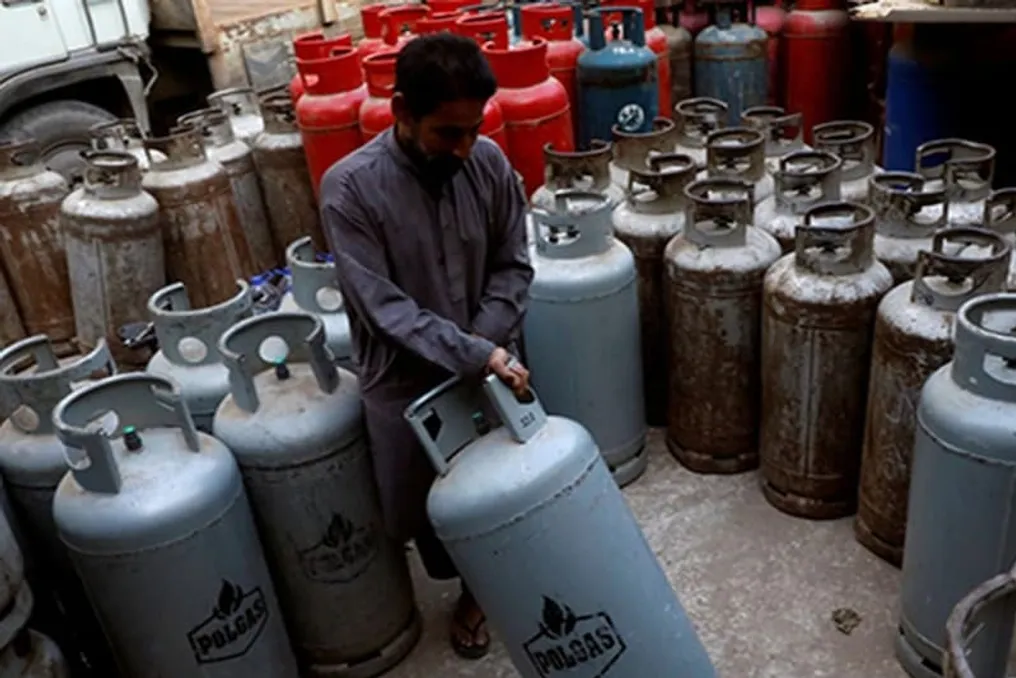
According to Reuters, the price of a 12-kilogram cylinder rose from 4,500 rupees to 7,000 Pakistani rupees ($25) in just a few days, and in some cities, it rose even higher—to 7,500 rupees in Lahore and up to 8,200 rupees in Skardu. Reports have emerged of sales at prices exceeding double the cost. Traders warn that prices could continue to rise if disruptions persist.

The ordinary citizen bears the brunt of this crisis. Previously affordable gas has become expensive, increasing the burden on family budgets. Complaints about speculation and stockpiling have been reported in some areas. Traders and transporters are also incurring losses due to blocked vehicles and the risk of cargo spoilage.

This crisis affects not only energy but also broad trade and diplomacy, as trade turnover between Pakistan and Iran is estimated in billions of dollars. The border closure has negatively impacted traders on both sides. Pakistan received cheaper LNG from Iran, which cost less than the international benchmark. Now, alternative sea routes are proving more expensive and time-consuming.

There are demands for the government to increase domestic production, accelerate imports from other countries, and improve pricing mechanisms. The industry side advocates for weekly or daily pricing to reflect the real market conditions. While acknowledging the need for security and control over smuggling, the needs of the population cannot be ignored. Given the rising demand in colder months, a swift resolution is critical.

Currently, both countries are in negotiations. Pakistan is trying to balance ensuring energy security with maintaining neighborly relations. If supplies are not restored soon, inflationary pressure may intensify, which will severely impact low-income families. There is a need to increase domestic production, improve inventory management, and develop alternative import routes.

Popular