Sustainability of consumer brands is built on daily habits, not one-off marketing campaigns
Read more
YourStory [india, en]
yourstory.com

Sustainability of consumer brands is built on daily habits, not one-off marketing campaigns

Attracting a customer may require a marketing campaign, but retaining them requires creating a product that becomes indispensable. At the Techsparks 2026 event by YourStory, founders of BRÜK, Sangit Krishna, and Qubo, Nikhil Rajpal, explained why design, reliability, and a deep understanding of consumer behavior are key elements for building long-term brands.

Examples of such products include surveillance cameras that allow parents to monitor their children or air purifiers that seamlessly integrate into the daily home routine. Despite differences in needs, these goods share a common trait: their success depends on whether they become part of the consumers' daily lives.

For consumer brands, merely trying to get a customer to try the product is just the initial stage. The more complex task is persuading them to return, especially in a market where choice is vast, competing products are easily accessible, and new brands constantly emerge.

Nikhil Rajpal, co-founder of the smart device manufacturer Qubo, noted that the transition from regular product use to habit formation cannot be measured solely by usage metrics. He stated: 'True product-market fit happens when you achieve these basic usage indicators. If you talk to consumers, are they using it in superlative degrees? Are they saying things like, 'I can't live without this now'? That's when you know you've probably achieved product-market fit.'

In his view, the absence of a product often serves as the best indicator of whether something has become a habit. Rajpal emphasized: 'A habit is not defined by usage metrics. A habit is defined by the anxiety it causes in your absence,' drawing a parallel with fast food and delivery platforms.

Krishna from BRÜK noticed an opportunity in the drinkware market while observing an emerging trend among consumers. He pointed out that people are starting to match their mugs with their clothing and bags, similar to how they do with other lifestyle accessories.

He also saw a gap in the Indian market for premium drinkware that offered superior finishing and build quality. The idea was to create a product combining functionality and aesthetics, offering an alternative in a category dominated by established players. BRÜK's product development focused on everyday convenience, especially for office workers. Krishna noted: 'We were very precise about these details. It has to be comfortable to hold, carry, and use.'

The general principle is that the product must solve a real consumer problem before the brand can expect it to become an everyday item.

Qubo's experience in the home security category provides another example. Rajpal reported that consumers are generally reluctant to experiment with security products because the consequences of failure can be serious. He advised: 'You just need to do your job well. Provide reliable service that consumers can trust.'

For Qubo, consistent performance and reliability are the foundation for gaining trust, especially in categories where consumers are unlikely to easily switch to other brands once that trust is established.

Since customer acquisition is becoming increasingly expensive, brands often use features, incentives, and performance marketing to encourage repeat usage. However, Rajpal believes that retention should primarily be a result of the product's utility itself. He argued: 'Marketing can help you with acquisition, get users to try it for the first time. The product is responsible for users coming back and using it every day.'

He cautioned against over-reliance on rewards such as points, bonuses, and cashback for bringing customers back to a platform. Instead, brands should work based on consumer needs and create products that naturally encourage repeat usage.

For brands selling durable goods like mugs, repeat purchases present a different challenge. Unlike perishable goods, customers are unlikely to replace their drinkware every few weeks or months. In addition to expanding the product line, BRÜK is exploring adjacent categories, such as lunch boxes and protein shakers, based on its understanding of consumer daily routines.

Krishna added that founders must constantly observe how consumers use products, including how they adapt them beyond their original purpose. He cited accessories people add to their mugs and various bottles they carry to the office and gym as opportunities arising from daily observations. He concluded: 'If you watch a person from morning till night, you will get ideas. There is nothing magical about it. Just walk around and observe.'

Another challenge for new consumer brands is convincing customers to pay more when cheaper alternatives and established brands already exist. Rajpal described two possible approaches: competing with existing brands through differentiated offerings or disrupting the market by providing comparable functionality at a lower price through operational efficiency.

As consumer trust is gained, a brand can gradually move away from a penetration pricing strategy and improve its margin. Krishna stated: 'People are willing to pay if you have a quality product. The most important thing is the build quality, the quality, materials, and finish.'

For him, the strategy of lowering prices to increase volume is not always correct. A smaller, but clearly defined customer base willing to pay for the product can be more valuable.

Ultimately, building a sustainable consumer brand requires more than just visibility or an aggressive acquisition strategy. In a saturated consumer market, this can be the strongest competitive advantage a brand can create.
Similar stories

Gamification goes beyond games and changes the interaction between brands and consumers
Read more
olhardigital.com.br

Gamification goes beyond games and changes the interaction between brands and consumers

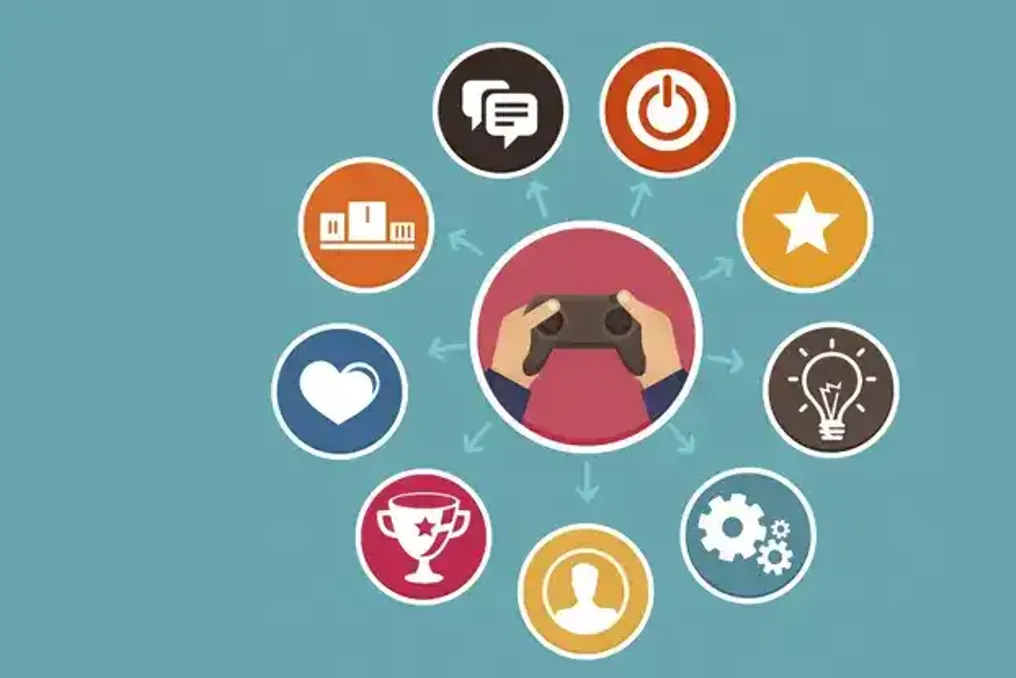
Mechanics characteristic of video games, such as points, missions, rankings, and rewards, are no longer exclusive to the gaming sector. These elements are increasingly integrated into digital platforms, loyalty programs, and applications, transforming how companies motivate consumer engagement.

The strategy known as gamification involves applying typical game elements to actions that are not games themselves. In Brazil, the adoption of these experiences contributes to a high level of public familiarity with this field. According to the Pesquisa Game Brasil 2025 study, about 82% of Brazilians consume digital games.

In practice, gamification uses tools such as achievements, levels, challenges, and rewards to stimulate specific behaviors. For example, a loyalty program may award points for purchases and provide bonuses as the customer advances through levels. Similarly, educational platforms can apply daily goals and achievements to maintain continuous learning.

This logic is also evident in fitness apps, financial services, and advertising campaigns. According to a survey cited by Gamers Club, 34% of Brazilian players participating in the study state a constant desire to improve their results and overcome difficulties.

According to Jonathan Pereira, Marketing Director of the company, it is this habit that helps explain the expansion of this strategy. He notes: 'The logic of gamification does not arise from nothing; it stems from behavior that has been consolidated among gamers over many years. Competition, development, and recognition are part of this experience.'

Although rankings and competitions are common elements, gamification does not necessarily require pitting users against each other. The feeling of progress can also stimulate participation, especially when rewards are tied to clear goals. Pereira explains: 'Not everything has to turn into direct competition. It engages the feeling of evolution, the feeling of achievement. Competition is one way, but not the only one.'

Nevertheless, the growth of these strategies raises questions about using mechanisms that encourage constant presence on platforms. This becomes particularly relevant when rewards and challenges are applied in the financial services sector or in money-related experiences. According to the director, the main task is to prevent gamification from becoming solely a tool to increase usage time. He concludes: 'When the experience becomes merely a stimulus for retention at any cost, it loses value. What truly works is what has a purpose and represents a meaningful path for the user.'

The spread of gamification demonstrates how elements developed and popularized by video games have begun to influence other industries. The current challenge is to use these mechanics to create meaningful experiences without turning every interaction into an obligation to compete or accumulate rewards. The article was first published in Olhar Digital.

Snapchat launches 'Inner Circle' campaign, highlighting friends' influence on Gen Z purchasing decisions
Read more
www.aajtak.in

Snapchat launches 'Inner Circle' campaign, highlighting friends' influence on Gen Z purchasing decisions

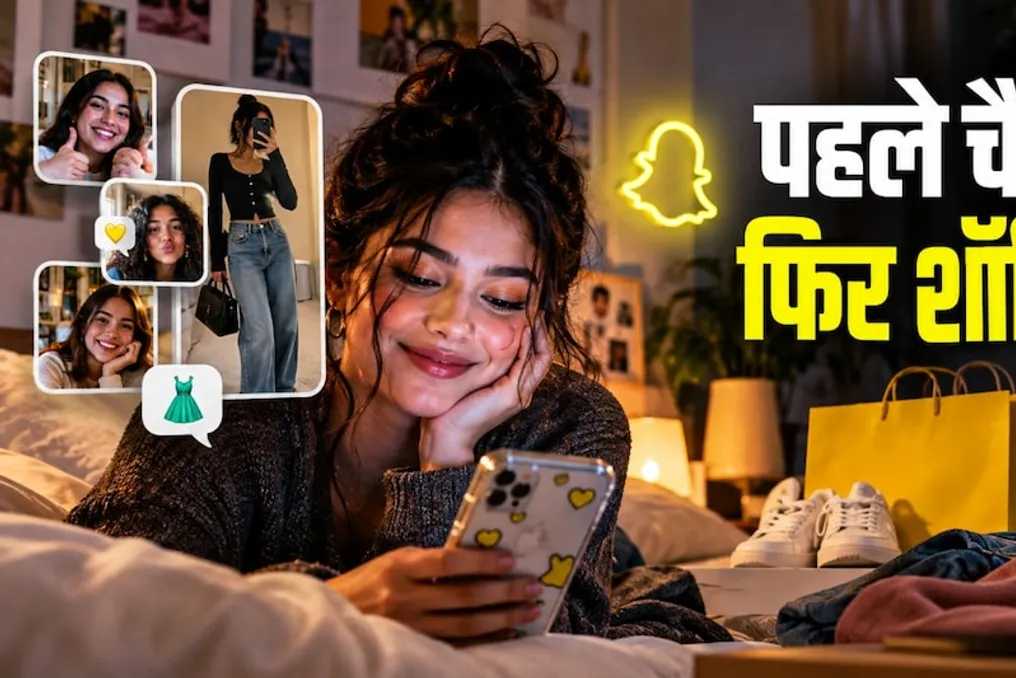
For Generation Z, the purchasing process has long gone beyond simply browsing and buying goods online. Today, getting friends' opinions, advice received in chats, and sharing photos of looks have become an integral part of the shopping process. Often before buying clothes, users ask friends to check the fit, and before purchasing cosmetics, they seek advice from close people.

Considering this changing trend, Snapchat has launched a new brand campaign called 'Inner Circle.' According to a report by 'Passionate in Marketing,' published in October 2026, the goal of this campaign is to demonstrate how strongly close friends and personal communication influence Gen Z's purchasing decisions. Brands such as Myntra, Instamart, and Nike are participating in this campaign.

Snapchat's 'Inner Circle' campaign illustrates three typical life situations. The first is getting help from a friend when choosing an outfit for a wedding. The second is consulting a trusted friend before buying a cosmetic product. The third is purchasing something special for gatherings with friends during Diwali. These examples show that social media communication serves not only as a means of staying connected with friends but also helps in product discovery, receiving feedback, and ultimately making a purchase decision. Thus, shopping can start in a chat and end with an online order.

Rahul Doss, Growth Director at Instamart, noted that during festivals, sudden visits from friends, spontaneous planning, and creating special moments through small things often happen. His partnership with Snapchat demonstrates that many situations begin in a chat, after which people order the necessary items.

Neha Gulati, Senior Branding Director at Myntra, stated that choosing outfits for festivals is a social event. Checking the look's fit via chat gives people confidence in their appearance. In her opinion, brands can make fashion more personal and engaging by participating in the conversations that Gen Z trusts.

Ankit Goile, Marketing Head at Snap Inc., emphasized that festive shopping has ceased to be a simple process. For Gen Z, the purchase decision starts with the people they trust. This could be a friend's opinion, a photo posted on Snapchat, a fit check, or advice received in a chat. He added that it is not enough for brands just to show their product; they need to become part of the conversations that influence purchasing decisions.

According to the report, the 'Inner Circle' campaign films will be shown on major digital platforms. Additionally, outdoor and digital outdoor advertising will be placed in Mumbai, Delhi-NCR, and Bangalore. A study conducted by Snapchat and GWI earlier this year also focused on changing holiday shopping habits in India. The new campaign develops the idea that for Gen Z, shopping is no longer limited to the product and price; friendship, trust, and personal interaction play a key role here.

Snapchat's 'Inner Circle' campaign focuses on how Gen Z interacts with their close friends when making purchasing decisions. Today, social media serves not only as a tool for viewing new products but also helps in gathering friends' opinions and making a final purchase decision. This means that the online shopping experience for Gen Z is not limited to viewing a product on a website and ordering it; it includes communicating with friends, sharing preferences, and receiving their advice.

Imagine someone finding a jacket they like online. Instead of buying it immediately, they first send a photo to friends. One friend praises the color, while another points out that a better option can be found for the same price. Ultimately, the purchase decision is made considering all these factors. This approach helps Gen Z trust their choices and also allows them to learn about different options before making a purchase. Friends' advice is especially useful in areas such as fashion, beauty, and technology.

Previously, people would go to markets with friends or consult at home. Now, the same thing can be done by exchanging photos and videos via chat on a phone. Users on platforms like Snapchat can share their preferences and purchase-related questions by communicating with their loved ones. These changes are also important for brands. It is no longer enough for the product to be liked; what matters is that people discuss it with their friends.

Psychological Reasons for Returning Goods After Online Purchases
Read more
www.aajtak.in

Psychological Reasons for Returning Goods After Online Purchases

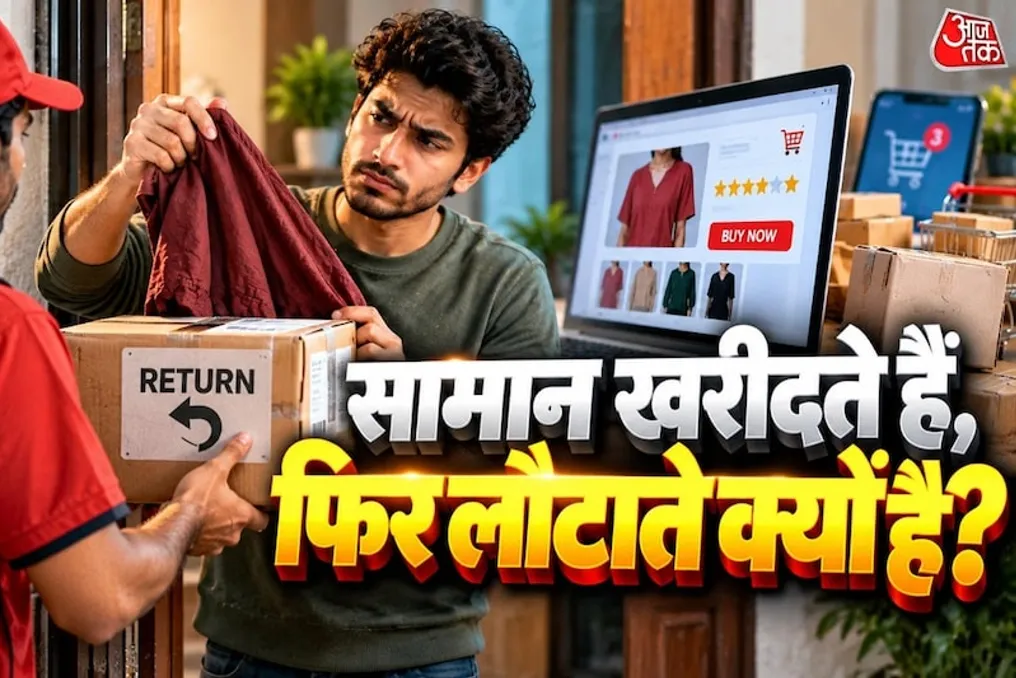
When making online purchases, it often happens that the item that seemed appealing during ordering turns out to be different from what is shown in the photos upon receipt. There may be discrepancies in color, fitting issues, or simply a feeling of unnecessary possession. Some buyers return goods after almost every second online purchase, whether it's clothing, shoes, or bags. This raises the question of what underlies this behavior: a tendency toward impulsive decisions, quick decision-making, or a change in mood after the purchase?

Research in psychology and consumer behavior indicates that there can be many factors contributing to this behavior. These factors range from a habit of spontaneous buying to the product not meeting expectations. Nevertheless, one cannot conclude a person's character based solely on the habit of returning items.

Some shoppers are not inclined to think deeply while browsing. They might like an item—a dress, gadget, or pair of shoes—and immediately place an order. Often, the purchase decision is influenced by discounts, sales, or an attractive image. This type of purchasing is called impulsive, meaning it is made suddenly and without prior planning. At the moment of purchase, the delight in the item is so strong that the person does not consider the actual necessity of the item.

However, when the item arrives home, the initial enthusiasm fades, and the person may realize their mistake. They might feel they spent too much money or that the item will not be useful. As a result, they decide to return it.

Does it happen that an item was very appealing at the time of purchase, but later the thought arises that it shouldn't have been bought? In psychology, this phenomenon is called post-purchase regret. It can occur if a person feels they made a hasty decision or that the money could have been better spent elsewhere. For example, if someone buys a dress for 2000 rubles online and then finds a similar model on another site for a lower price, they might decide they overpaid. Similarly, after the purchase, a feeling of not needing the item may arise. In such cases, returning the item might seem like a simple way to change one's mind. However, the return is not always motivated by regret.

In online shopping, the customer cannot touch, try on, or use the item. The decision is made based on photos, videos, product descriptions, and reviews from other buyers. Often, the color of the item in reality differs from what is presented in the pictures. The size of the clothing may not fit, the fabric quality may be lower than expected, or the electronic device may not work as anticipated. In such circumstances, returning the item is a natural step for the customer. A study published in the Journal of Retailing and Consumer Services in 2024 identified reasons for returns such as incorrect fit, delivery problems, misleading advertising, and post-purchase disappointment. Therefore, one cannot automatically assume that a person who frequently returns items is spoiled; often, the problem lies not with the customer's decision, but with the quality of the product or the provided information.

Some people tend to look at many alternatives when choosing an item. They might choose one dress and then look at another that seems more suitable, and so on. Sometimes they order two or three identical items to compare them at home and decide which one to keep. This is especially common when buying clothes, given the potential discrepancy between the online image and the actual fit. It is important to understand why a person compares options. Perhaps they are trying to make the right choice. But if they constantly order many things and return most of them, this approach to shopping can take up a lot of time and effort.

Many buyers like the item, but after payment, they start to doubt the expediency of the expense. Consider this example: a person buys shoes worth 3000 rubles. During the order, they felt the shoes were good and the price was acceptable. However, after receiving the item, they begin to ponder whether they could have purchased a higher-quality pair for that money. In this situation, two thoughts may conflict in the person's mind: on one hand, they like the item itself, and on the other, they are trying to justify their spending.

Popular