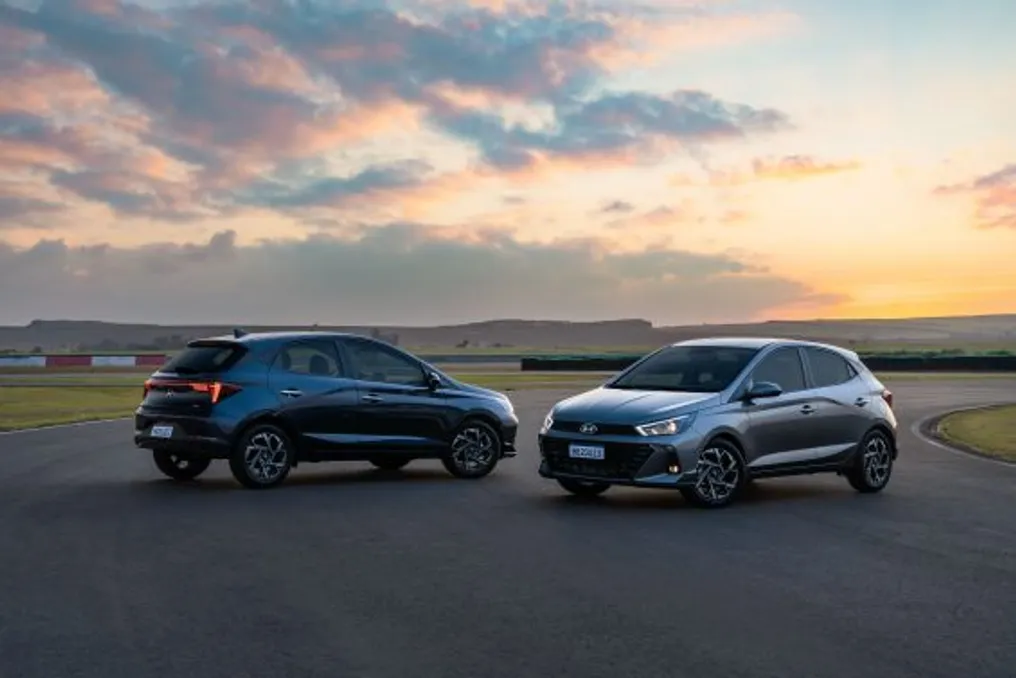
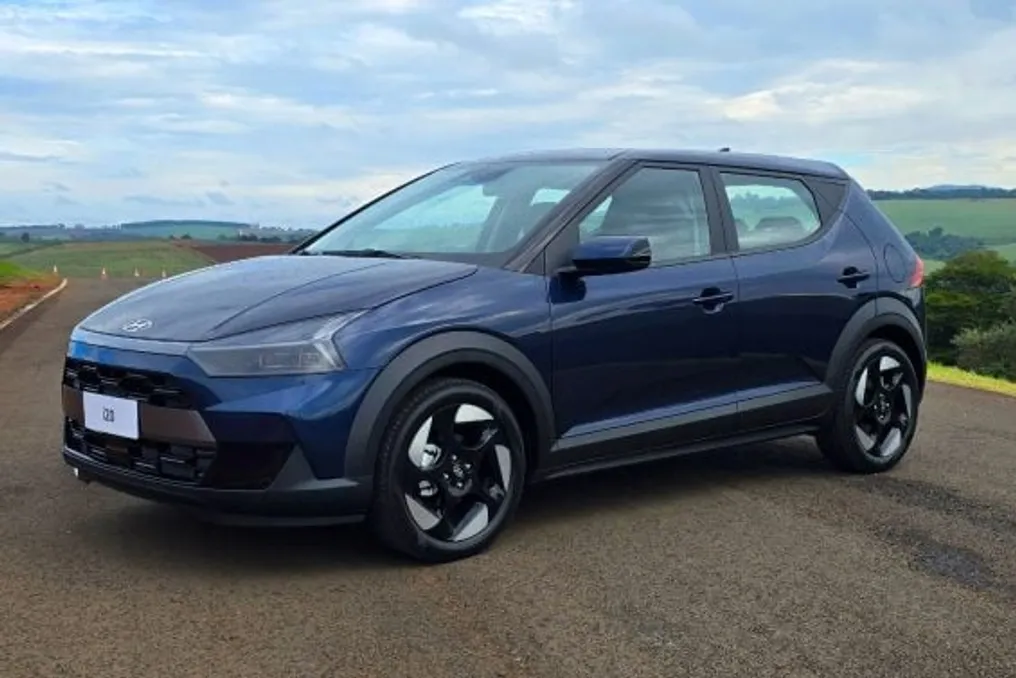
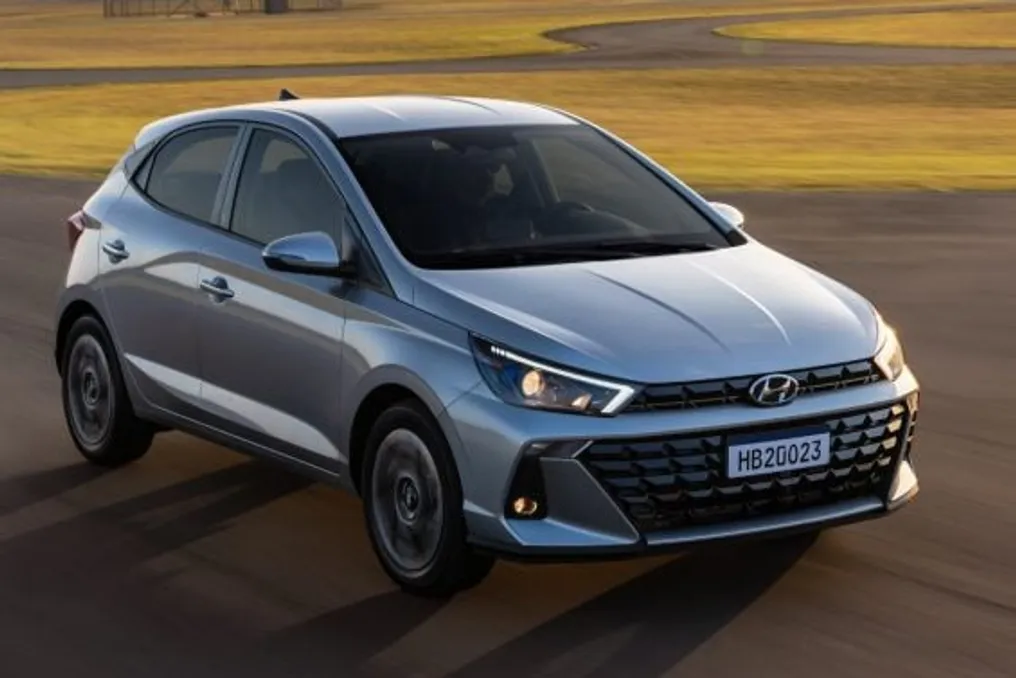
Tarun Garg, Head and CEO of Hyundai Motor India Ltd (HMIL), stated on Monday that the company plans to sell at least 250,000 units of mid-size sports utility vehicles (SUVs) by 2027. This forecast is based on the rapid growth of the segment and the ability of two models—the Creta and the recently launched Bayon—to attract various customer groups.
Speaking to journalists on the occasion of the Bayon launch in Gurugram, Garg emphasized that the set target is a starting point, not an absolute limit. Bayon deliveries are expected to begin during the current festive season. Furthermore, Garg reported that HMIL anticipates selling about 170,000 units of the Creta in 2026.
According to Garg, the mid-size SUV segment in India currently accounts for 16.5 percent of the market. Over the last five years, this segment has shown a Compound Annual Growth Rate (CAGR) of 25.6 percent, and sales volume is projected to grow by 64 percent between 2026 and 2032.
Model Positioning Strategy
The size and growth dynamics of the segment allow the manufacturer to release more than one model. Hyundai intends to leverage the existing Creta customer base to promote the Bayon. However, the Bayon is positioned differently from the Creta, targeting consumers who adopt new technological solutions more quickly.
Garg clarified that the difference between the models is determined by customer attitudes and preferences, not age. The Creta relies on its established brand value and customer loyalty, while the Bayon targets those seeking a more technologically advanced experience. He noted that the Creta created the mid-size SUV market ten years ago, and the launch of the Bayon is expected to enable the company to achieve similar success over the next decade.
Hyundai market research indicated that gasoline versions will see the highest demand in the Bayon segment. The model will also receive a Compressed Natural Gas (CNG) variant in January 2027. The company decided not to offer a diesel version because too many powertrain options could complicate the assortment and confuse buyers.
Automatic transmissions are expected to account for about 25 percent of Bayon sales, with a tolerance of two percentage points. Overall, the penetration of automatic transmissions in Hyundai's portfolio is approximately 24–26 percent, with a higher share in larger models.
Data and Export Issues
Garg also stated that user data collected through the AI-based voice assistant in the Bayon will remain the property of Hyundai and will not be shared with Perplexity, whose technology provides the basic language model. The voice technology is provided by SoundHound AI and used by Hyundai globally.
The company adheres to the data privacy and security standards adopted in the US and South Korea, where regulation is significantly more developed than in India. Garg stressed that although some laws have not yet been enacted in India, they exist in the US and Korea in a much stronger form.
Despite the decline in the sedan market, Hyundai will continue to sell the Verna because exports make this model viable. The Verna is the company's best-selling exported vehicle; including exports, its sales reach 40,000–50,000 units annually, whereas domestic sales are around 7,000–10,000 units. Garg stated that the Verna plays a very important role in the portfolio, and the company intends to continue producing it despite the downturn in the segment.
Hyundai plans to start exporting the Bayon two to six months after its domestic launch, following the company's standard product export strategy. The export destinations will be announced later. The SUV will be manufactured at the Hyundai plant in Chennai and is intended for more than 50 markets worldwide.
Garg also clarified that HMIL's five-year investment plan for 2025–2030 and Hyundai Motor Group's commitment of $15.5 billion for 2026–2032 overlap. Planned expenditures for 2025 will be adjusted according to the broader group plan, with additional funding expected for the Indian subsidiary.