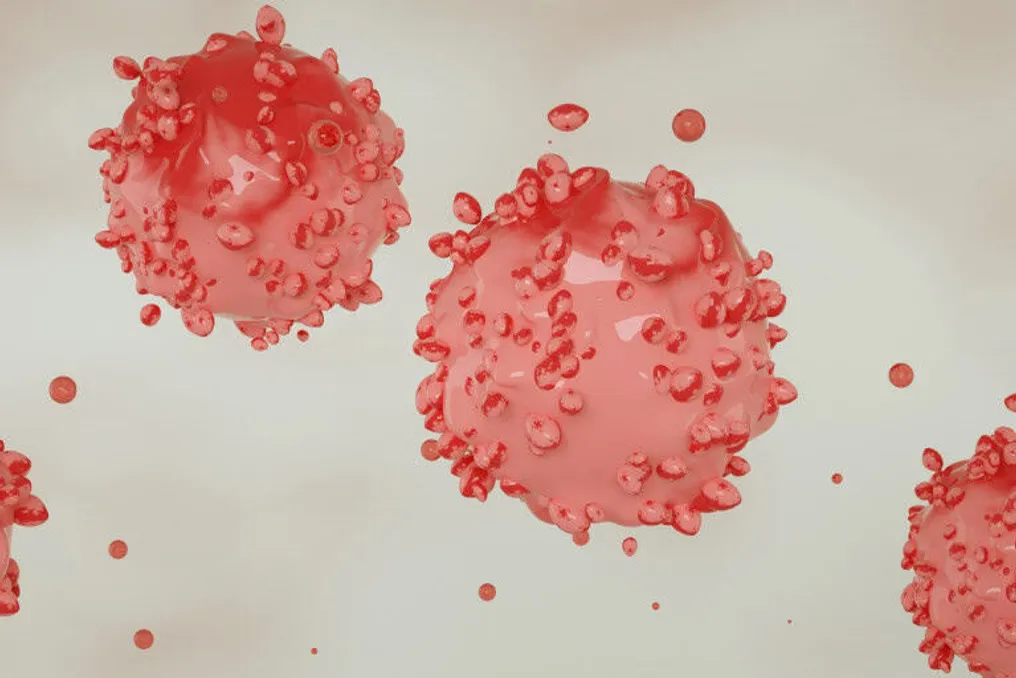
An experimental vaccine developed against pancreatic cancer managed to elicit an immune response in almost all participants of the clinical trial. This immunolysate, named camupepimut, was created to train the body to recognize seven mutations of the KRAS gene, which are associated with approximately 90% of cases of pancreatic ductal adenocarcinoma.
The study results were published in the scientific journal Nature Medicine. The research was conducted by scientists affiliated with Mayo Clinic in the United States and aimed to determine whether the vaccine could help eliminate cancer cells that might remain in the body even after surgical intervention and chemotherapy.
Pancreatic cancer is known for its aggressiveness and treatment complexity. One of the main obstacles is the probability of disease recurrence after medical intervention, as cancer cells are capable of rapid spread.
In this context, the goal of the immunolysate is to prepare the immune system to detect specific changes in tumor cells and respond to them.
The phase two study involved 144 patients with pancreatic cancer linked to KRAS mutations. All of them had previously undergone surgery and chemotherapy and showed no detectable signs of the disease at the start of the study.
Participants were randomly divided into two groups: 96 people received the experimental vaccine, while the remaining 48 were monitored without receiving the immunolysate.
The main positive result was achieved regarding the immune response. Nearly 99% of vaccinated patients demonstrated an enhanced T-cell response against KRAS mutations. These cells are a type of white blood cell that plays an important role in protecting the body, including recognizing and fighting abnormal cells.
The response also showed durability. 95.5% of participants still showed detectable T-cell responses against the studied mutations 46 weeks after the start of the study.
However, an important limitation was noted: the vaccine did not show a significant improvement in overall survival without disease progression. In the group that received the immunolysate, this period averaged 23.8 months. Among participants who were only monitored, this figure was 21.2 months. The difference was considered small and statistically insignificant.
Thus, although the vaccine induced a strong immune response, there is currently no sufficient evidence that it reduces the risk of cancer recurrence.
The team also identified some indicators suggesting which patients might benefit most from this strategy. One such factor is circulating tumor DNA (ctDNA), small fragments of genetic material released by cancer cells into the bloodstream. Patients who did not have ctDNA detected at the beginning of the study remained disease-free longer after receiving the vaccine compared to those who had these fragments present.
Another observed factor was the administration of radiation therapy. Participants who did not undergo this treatment showed a higher number of lymphocytes, which apparently contributed to the response to the immunolysate.
These results may help researchers improve the vaccine and determine which patients are most likely to respond to the treatment. Ben George, the lead author of the study and an oncologist at Mayo Clinic, told IFL Science that the immune response is an important signal for understanding the biological effects of the vaccine and guiding further tests.
According to him, they managed to induce a powerful response against KRAS mutations in almost all assessed patients. Despite the initial successes, camupepimut still requires further evaluation. Researchers plan to use the data obtained from the phase two trial to improve the immunolysate and develop a larger phase three clinical trial.
The vaccine is not the only experimental strategy being studied against pancreatic cancer. Another approach uses messenger RNA (mRNA) technology to create personalized immunolysates for patients with aggressive forms of the disease.
The need for new alternatives is very high. According to data presented in the article, the global incidence of pancreatic cancer has more than doubled over the last three decades, increasing from approximately 196 thousand new cases in 1990 to over 510 thousand in 2022. While camupepimut represents a promising opportunity to stimulate the body's defense against genetic changes associated with tumors, confirming its clinical benefit will depend on subsequent stages of research.