Tashkent Metro may introduce women-only carriages as part of network expansion
Read more
UzDaily
uzdaily.uz

Tashkent Metro may introduce women-only carriages as part of network expansion

The Tashkent Metro is considering the possibility of introducing special carriages designated exclusively for women as the network develops and rolling stock is updated.

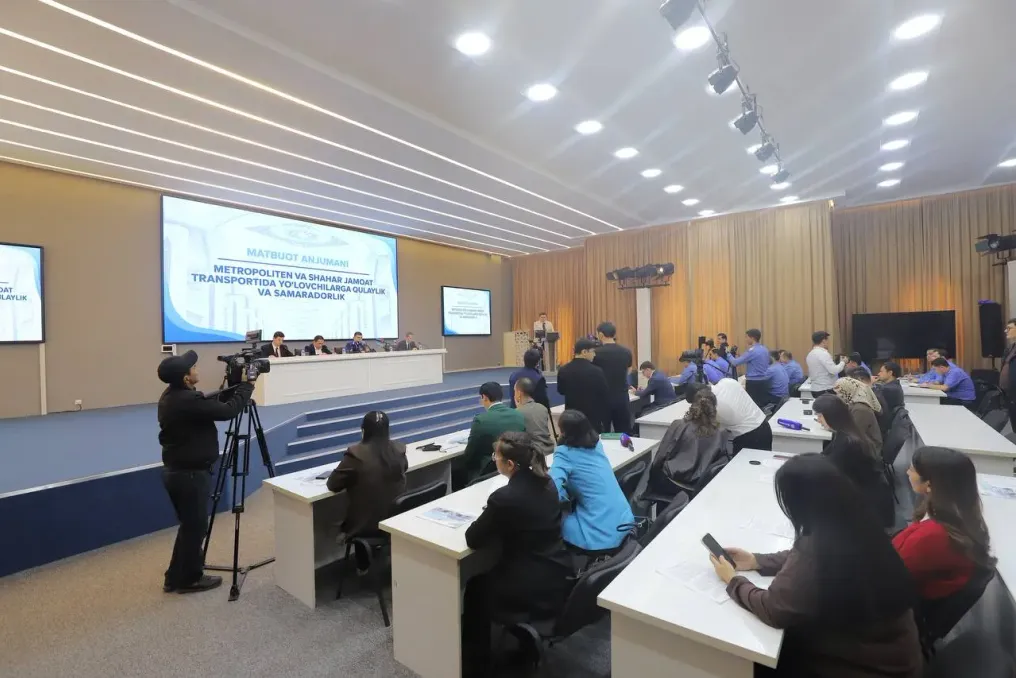
Technical limitations and the current passenger flow structure do not allow this practice to be implemented on existing lines. This was stated by Yuldash Yusupov, Deputy Head of Tashkent Metro, during a meeting with media representatives at the Content Preparation Center on November 3.

According to the metro's official representative, passengers have repeatedly requested the allocation of separate carriages, including through social networks. However, under current conditions, implementing this initiative is not possible.

Yusupov noted that relevant measures could be taken into account when designing new sections of the metro and when purchasing new trains. He also emphasized that women constitute about 40% of Tashkent Metro passengers.

In the official's opinion, separating carriages by gender could help reduce instances of inappropriate behavior and harassment of women. Women-only carriages are already used in public transport systems of several countries, such as India, Egypt, Brazil, Iran, the United Arab Emirates, and Japan.

In some countries, such carriages operate constantly, while in others they are only available during specific hours or on particular days. Furthermore, the rules may provide for the possibility of primary school girls traveling with women in these carriages.
Similar stories

By 2030, Tashkent plans to expand its metro system to 79 stations and 103 kilometers of lines
Read more
podrobno.uz

By 2030, Tashkent plans to expand its metro system to 79 stations and 103 kilometers of lines

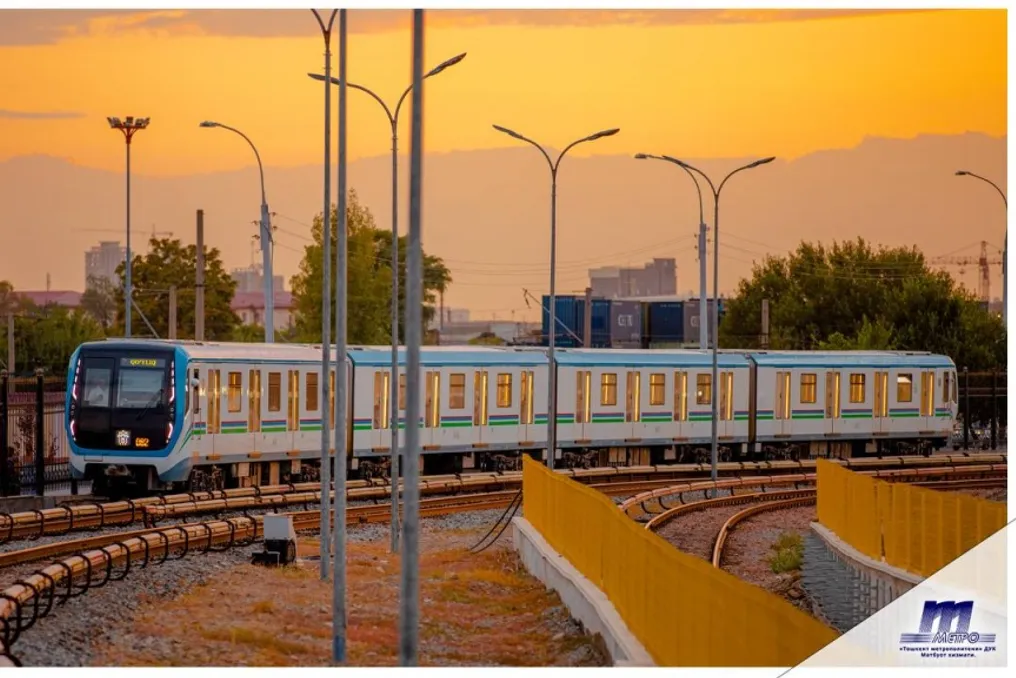
The Tashkent Metro intends to significantly expand its network by 2030. According to the plans, the number of stations is expected to grow to 79, and the total length of the lines will reach 103 kilometers. Additionally, the daily number of passengers is anticipated to increase to 1.8 million people.

Information about these plans was announced during a press conference dedicated to the development of the capital's metro system. Currently, the Tashkent Metro operates with 50 stations, and the total line length is 71 kilometers.

As part of the modernization, it is also planned to reduce the intervals between passing trains to two or three minutes. It is projected that passenger traffic will increase from the current more than 1.2 million people per day to the planned 1.8 million.

The reasons for such a large-scale expansion are linked to the growing population of the capital, the active development of urban infrastructure, and the emergence of new industrial and residential areas. The development program includes the construction of new track sections, renewal of rolling stock, integration of digital technologies, and improvement of the management system.

Over the past seven years, the capital's metro has been supplemented with twenty-one new stations, and the length of its lines has increased by 33 kilometers. Meanwhile, the daily passenger flow has shown growth: in 2021, it was 280–300 thousand people, and by 2026, it exceeded 1.2 million people.

New bus routes will be launched in Tashkent region connecting Nazarbek and other districts with the capital
Read more
podrobno.uz

New bus routes will be launched in Tashkent region connecting Nazarbek and other districts with the capital

Residents of Nazarbek and adjacent territories will find it easier to travel to Tashkent thanks to the planned launch of new bus routes. These routes will provide connections between the Tashkent and Zangiati districts with the capital.

According to information provided by the Main Directorate of Transport and Road Transport Infrastructure Development of Tashkent, the new lines will operate based on a gross contract system that takes into account the actual number of passengers.

New routes and their directions

The following routes have been introduced: Route No. 162, which will run between Kushkundi mahalla and the Chorsu trade center bus station; Route No. 163, connecting Tekstilschiki mahalla with the Chorsu trade center bus station; and Route No. 167, linking the 'Tashkent' collective farm with the Chorsu trade center bus station.

Special emphasis is placed on Route No. 163. It will pass through Tekstilschiki mahalla, Nazarbek, and the Tarnov territory, as well as along Shifobakhsh Suvlar and Beruni streets.

Representatives of the department believe that the introduction of these routes will improve transport accessibility for residents of the Tashkent and Zangiati districts when traveling to the capital. Furthermore, this should contribute to reducing bus waiting times and achieving a more balanced distribution of passenger flow.

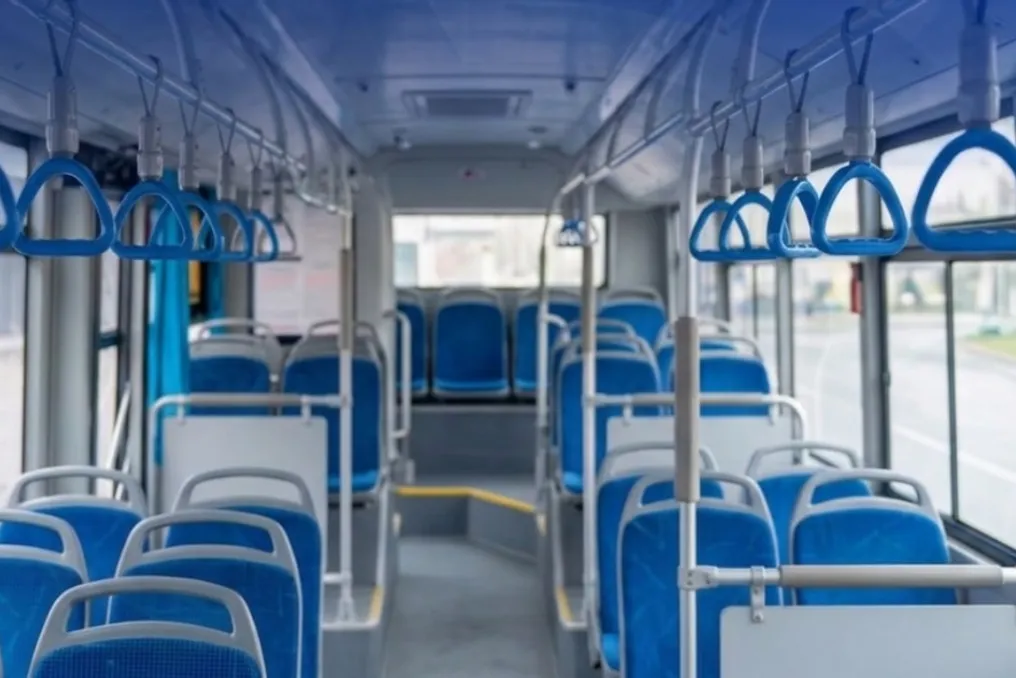
To ensure the operation of the new lines, 54 buses manufactured in China by ZHONGTONG are planned for use. These buses are expected to arrive by the end of November 2026. It was previously noted that the coverage rate of mahallas by public transport in Uzbekistan has reached 98.8%.

Popular