Bukhara Refinery to Double Raw Material Processing Capacity to 5 Million Tons
Read more
UzDaily
uzdaily.uz

Bukhara Refinery to Double Raw Material Processing Capacity to 5 Million Tons

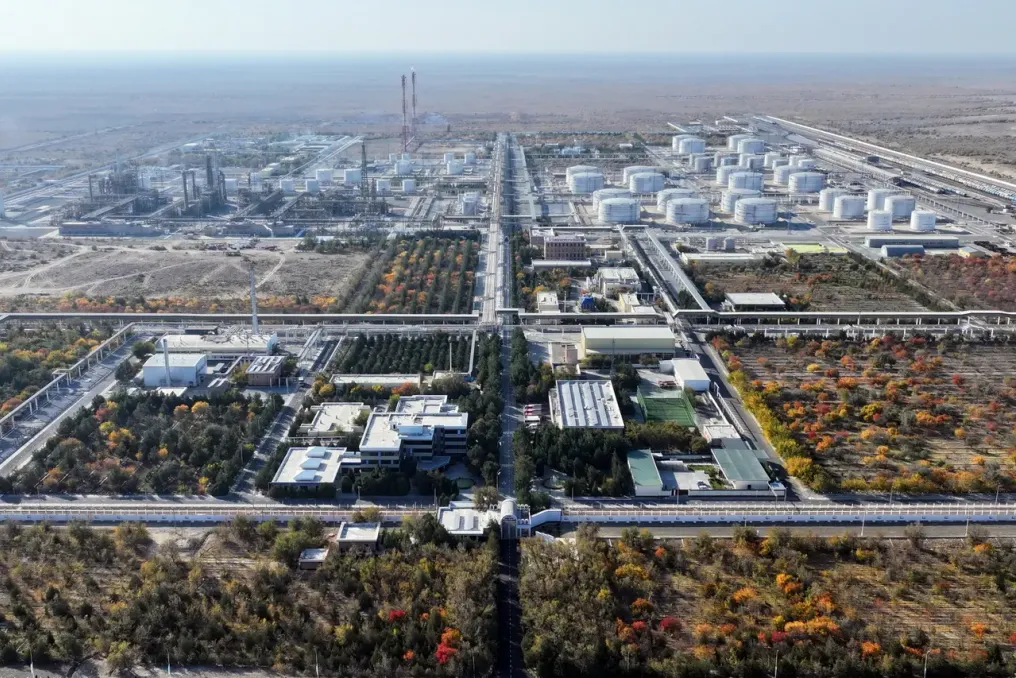
The refinery in Bukhara plans to increase its annual raw material processing capacity from 2.5 million to 5 million tons as part of a modernization project valued at 328 million US dollars.

President Shavkat Mirziyoyev inspected the progress of preparations for this project during his visit to the enterprise located in the Karaulbazar district of the Bukhara region.

The Bukhara oil refinery is one of the largest producers of petroleum products in the country and employs over 3,200 specialists.

From January to September 2026, the plant produced 1.36 million tons of petroleum products worth 12.1 trillion sums. During this period, exports of products and services amounted to 99.5 million US dollars, and by the end of the year, the enterprise expects to increase exports to 116 million dollars.

Goals of Modernization and Technological Changes

The main goal of the modernization is to expand raw material processing and increase the output of high-octane motor gasoline. To achieve this goal, the plant intends to install equipment for naphtha hydrotreating and isomerization.

Hydrotreating will reduce the content of sulfur and other impurities in the raw materials, while isomerization will increase the octane number of gasoline obtained from light petroleum fractions. These technologies are necessary to increase the production of AI-92 and AI-95 gasoline, which meets the Euro-5 environmental standard.

The project also includes updating the processes of separating raw materials into fractions and deepening the processing of heavy residues. After implementing all planned measures, the plant's annual capacity will increase by another 2.5 million tons, reaching 5 million tons.

The expansion of production capacity is expected to lead to an increase in finished product output, strengthen supplies to the domestic market, and stimulate exports.

President's Instructions

During his visit, Mirziyoyev instructed the plant to adhere to the modernization deadlines and quality requirements, as well as ensure the compatibility of new equipment with existing production processes and maintain stable operation during the upgrade period.

Furthermore, the president held negotiations with representatives of foreign companies participating in this project.
Similar stories

Uzbekneftegaz plans modernization of the refinery in Bukhara
Read more
uzdaily.uz

Uzbekneftegaz plans modernization of the refinery in Bukhara

Uzbekneftegaz intends to modernize the oil refinery in Bukhara. The project's goal is to enable the direct production of high-octane automotive gasoline during processing, which will allow for the elimination of imported additives currently used to increase the octane rating of the finished fuel.

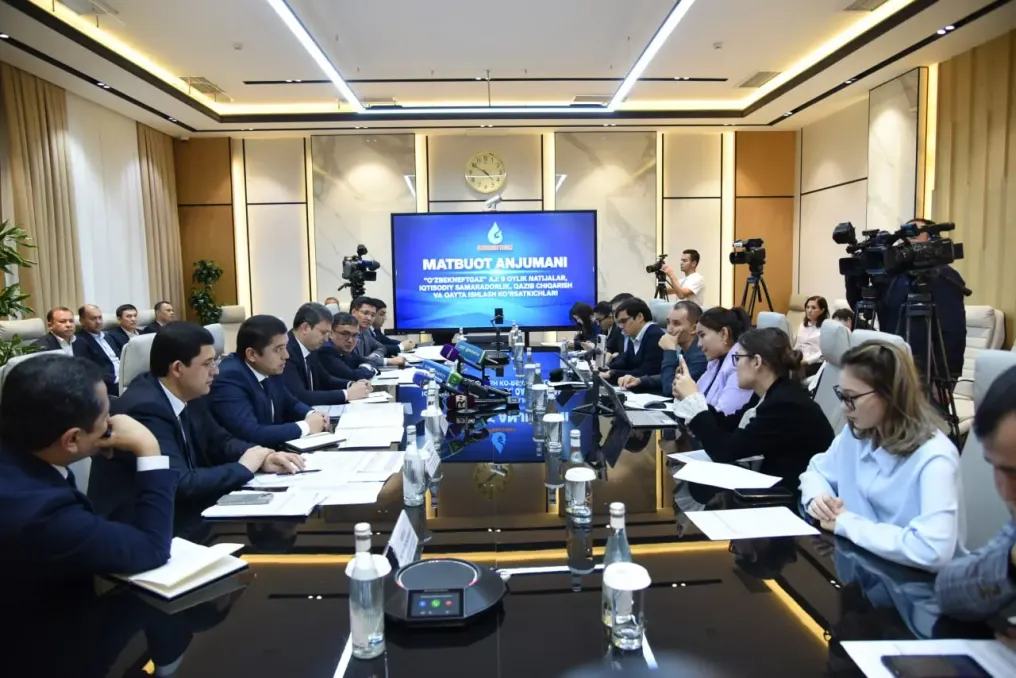
Sukhrob Khamraev, the first deputy chairman of the board of the state company, presented the modernization plans at a press conference on October 27. According to him, the technical and economic justification for this project has already been completed. The initiative received presidential approval during a meeting in October, as well as a positive assessment from the Center for Comprehensive Expertise.

Work is currently underway to obtain official permission through the relevant state decision. Khamraev noted that work could begin in the fourth quarter of 2026 or during 2027, depending on the approval of the technical and economic justification and the adoption of a presidential decree.

The selection of contractors will be carried out through an open tender. Technology licensors, construction companies, and other potential contractors will be able to submit proposals. The company also plans to partially finance the project through loans. Khamraev emphasized that information about the tender and the state decision will be made publicly available.

Abrorzhon Khudoyberganov, deputy chairman of the board of Uzbekneftegaz responsible for refining operations, reported that the Bukhara plant is operating at its maximum production capacity. He specified that the company is fully meeting fuel supply targets, with gasoline reserves available for consumer sale exceeding 125,000 tons.

Khudoyberganov also highlighted the impact of imported additives on fuel production costs. These additives, used to increase the octane number of gasoline, increase the cost of producing the final product. After the plant's reconstruction and expansion of new gasoline products, a reduction in production costs is expected, which, in turn, should lead to cheaper fuel.

Uzbekistan plans to process 3.6 million tons of waste through energy projects
Read more
uzdaily.uz

Uzbekistan plans to process 3.6 million tons of waste through energy projects

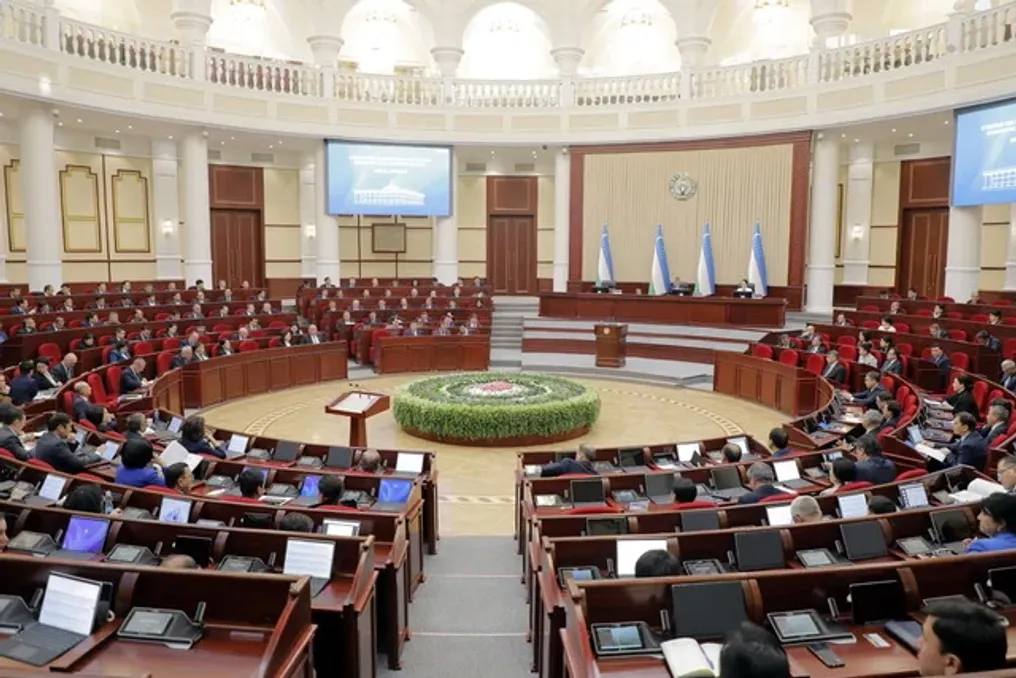
The legislative chamber of the Oliy Majlis of Uzbekistan reviewed the response from Sharifbek Hasanov, Director of the Waste Management Agency and Circular Economy Development, to a parliamentary inquiry regarding measures to improve waste management, develop the circular economy, and enhance the efficiency of related service payments.

According to the information provided, between 2019 and 2025, 54 municipal solid waste landfills were restored in Uzbekistan, returning 262.8 hectares of land to nature. Currently, sanitary services cover 8042 out of 8992 mahallas, or local communities in the country.

To strengthen the technical capacity of sanitation companies, the number of specialized vehicles has been increased; a total of 4606 such vehicles are currently operating across the country. Additionally, 4376 waste collection points have been equipped, and 39401 containers have been installed. These measures have enabled the servicing of an additional 600,000 residents.

Another area of focus is the production of electricity from waste. Six large projects with a total value of 933 million US dollars are being implemented in the country, of which $461.3 million has already been invested. It is planned that after commissioning, scheduled for the first half of 2027, these facilities will process 3.6 million tons of waste annually through thermal treatment and generate 1.6 billion kWh of electricity.

These projects are also expected to save 400 million cubic meters of natural gas annually, reduce greenhouse gas emissions by 800,000 tons, and create 1,000 permanent jobs. To improve waste management, geographical data has been collected for 9061 local self-government bodies, 75569 streets, 227 landfills, and 3548 waste collection points. 3918 specialized waste collection vehicles are connected to a GPS monitoring system, and surveillance cameras have been installed at 1483 sites.

The response to the parliamentary inquiry also noted that since November 2025, subscribers with unpaid waste collection bills receive SMS notifications from the number 2100, managed by the Regional Electric Network of JSC. Nevertheless, legislators pointed out persistent problems, emphasizing the need to prevent the charging of debts for sanitary services that were not actually provided, correct technical errors in SMS notifications, and strengthen supervision in this area.

Deputies also called on the agency to intensify efforts to improve the quality of sanitary services, expand waste sorting and recycling, and develop the circular economy. Priorities include the production of energy resources, raw materials, and materials from secondary resources. After reviewing the matter, the legislators stressed the importance of continuing parliamentary oversight to ensure compliance with environmental requirements, protect public health, and improve sanitary conditions throughout the country. The response from the Director of the Waste Management Agency and Circular Economy Development was taken into account.

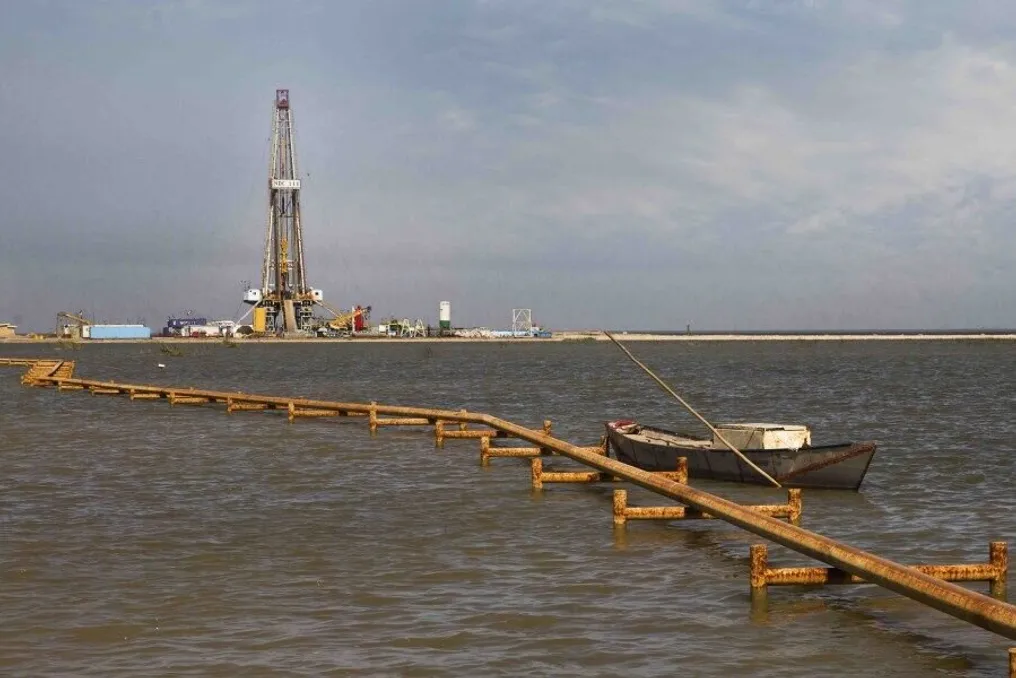
Iran's largest oil refinery in South Azadeghan reaches capacity of 320,000 barrels per day
Read more
www.tehrantimes.com

Iran's largest oil refinery in South Azadeghan reaches capacity of 320,000 barrels per day

The South Azadeghan refinery in Iran has reached its nominal capacity of 320,000 barrels per day after the completion and commissioning of all four technological lines, according to the state group Petropars.

Hamidreza Saghafi, head of Petropars Group, which is an executive unit of the National Iranian Oil Company (NIOC), stated that this facility is the largest refinery in Iran. The four lines are designed to process a combined capacity of 320,000 barrels per day.

According to Saghafi, the third line was commissioned on March 19, 2025, and achieved stable production on May 14, 2025. The fourth line was launched on December 21, 2025, and began stable operation on December 25.

Construction of the first and second lines was nearing completion in February 2026 and continued despite military conditions. Saghafi also noted that preliminary and main commissioning work had begun, allowing the lines to receive crude oil for processing.

After receiving permission for a four-day production shutdown, the control and safety systems of the first two lines were integrated with the systems of the third and fourth lines. Following approval for feeding crude oil into the first two lines, the facility reached its capacity of 320,000 barrels per day on October 11, 2026.

Saghafi emphasized that this center is a key infrastructure project for the development of the West Karun region, an oil-producing area in southwestern Iran. The facility is expected to play an important role in transporting, processing, and stabilizing crude oil from this area, and it will also be able to support a higher volume of production at other West Karun fields. The overall progress of the project exceeds 80%.

Regarding associated gas, Saghafi reported that the completion of the relevant facilities will allow the facility to send 200 million standard cubic feet of gas per day to the NGL 3200 gas processing plant.

He attributed the achievement to the efforts of the project specialists and workers, as well as the cooperation between the project owner and contractors.

Popular