Uzbekistan plans to expand the Technochim petrochemical cluster in Bukhara region
Read more
UzDaily
uzdaily.uz

Uzbekistan plans to expand the Technochim petrochemical cluster in Bukhara region

Uzbekistan intends to invest 292 million US dollars in the expansion of the Technochim petrochemical cluster located in the Bukhara region. This project will increase the plant's annual raw material processing capacity by 400,000 tons and create 700 new jobs.

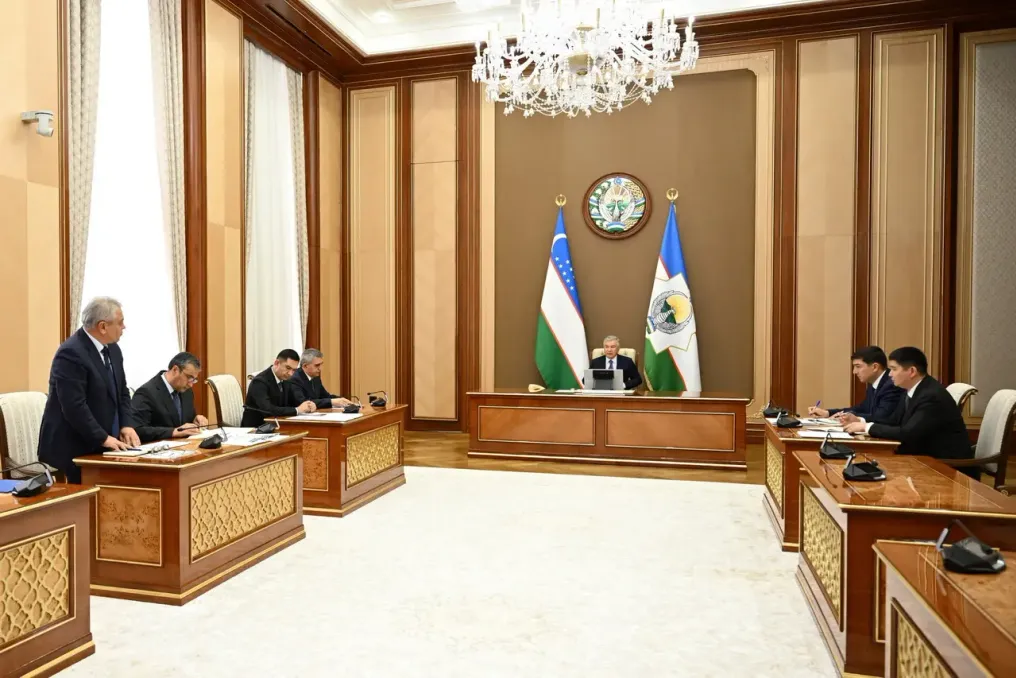
The plans were announced during the visit of President Shavkat Mirziyoyev, who inspected the complex's production facilities in the Bukhara district, studying its current output and development plans.

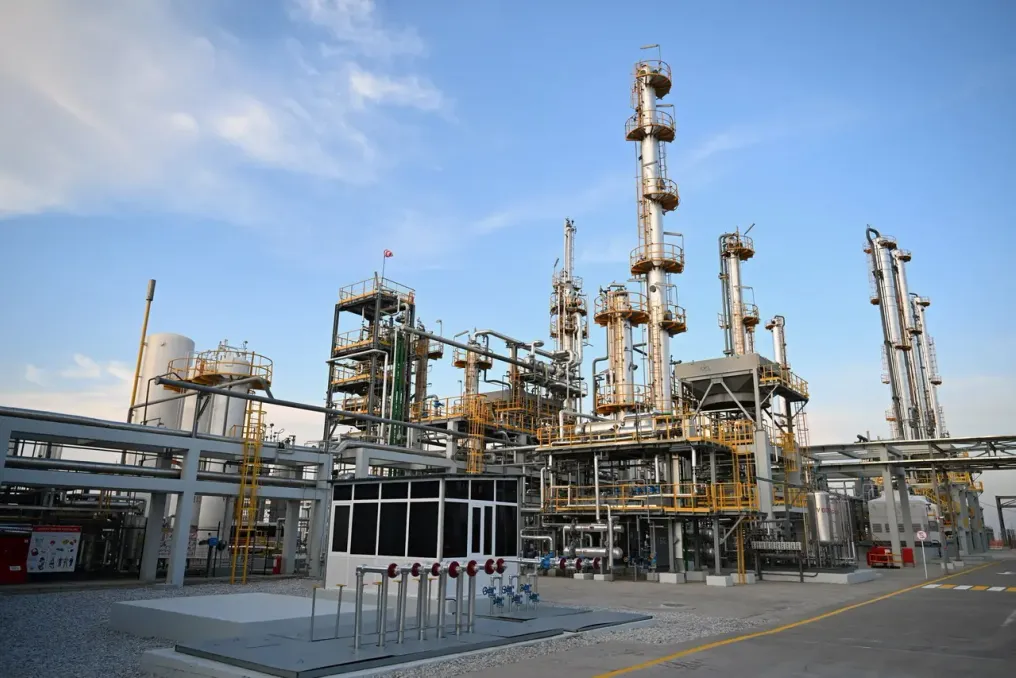
Technochim specializes in the processing of oil, gas condensate, naphtha, methanol, and pyrolysis distillate. It is the only similar complex in Uzbekistan. Currently, the enterprise occupies an area of 69 hectares and employs about 500 people.

Existing capacities allow for the annual processing of 100,000 tons of pyrolysis distillate, as well as 160,000 tons of naphtha and gas condensate. In addition to fuel, the cluster produces materials for the chemical industry; for example, its octane booster is used to improve gasoline characteristics, and solvents are used in the production of paints, varnishes, adhesives, and household chemicals.

The next stage of the complex's development is planned to be completed by the end of 2028. The investment project worth 292 million dollars provides for the processing of gas condensate and naphtha, as well as the production of aromatic hydrocarbons and solvents. After the expansion is complete, the total annual capacity of the facility will increase by another 400,000 tons.

The expansion will require attracting additional qualified workers. Mirziyoyev emphasized the need to strengthen ties between the vocational education system and regional enterprises. Among the sought-after specialists are process technologists, engineers, chemists, and laboratory personnel.

According to export plans, Technochim plans to supply about 180,000 tons of petrochemical products, motor gasoline, and diesel fuel annually to Kazakhstan, Kyrgyzstan, Tajikistan, Turkmenistan, Afghanistan, and European Union countries. Furthermore, the enterprise is negotiating with foreign partners on a project to process 150,000 tons of liquefied gas between 2028 and 2030.

Following the visit, the president gave recommendations regarding increasing the export potential of the petrochemical cluster and training specialists for new production capacities.
Similar stories

Investment of $292 million planned for petrochemical complex in Bukhara region by 2028
Read more
podrobno.uz

Investment of $292 million planned for petrochemical complex in Bukhara region by 2028

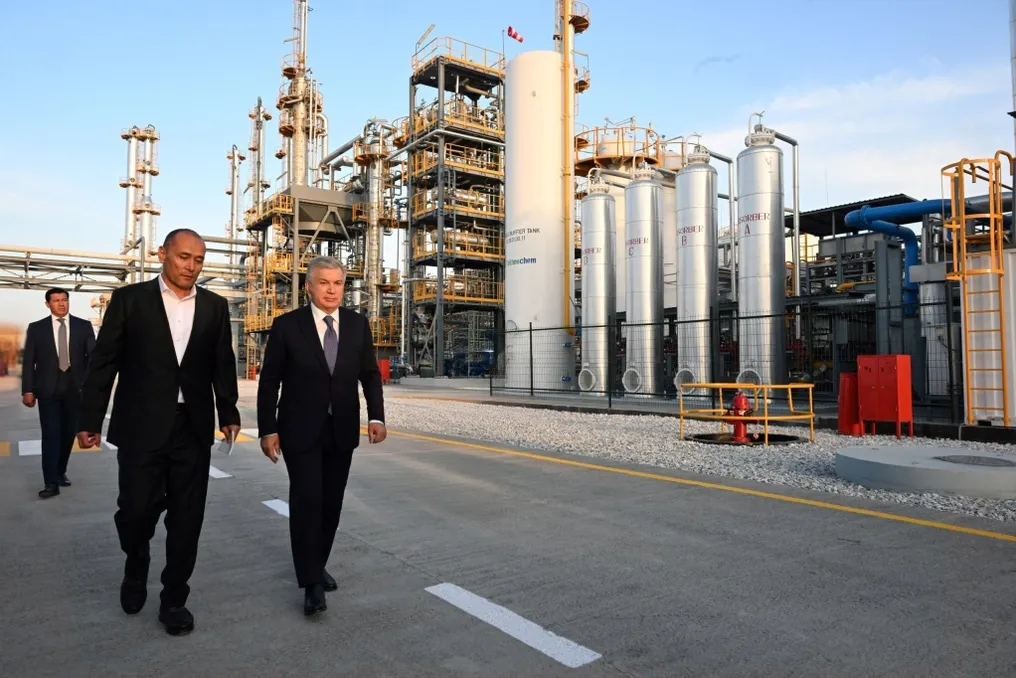
President Shavkat Mirziyoyev visited the 'Tekhnochem' enterprise in Bukhara district to study the activities of the republic's sole specialized petrochemical cluster and familiarize himself with its development plans. This complex covers an area of 69 hectares and employs about 500 staff.

The enterprise specializes in the deep processing of various raw materials, including oil, gas condensate, naphtha, methanol, and pyrolysis distillate, producing high value-added products. The existing infrastructure allows for the annual processing of 100 thousand tons of pyrolysis distillate, as well as 160 thousand tons of naphtha and gas condensate.

In addition to fuel products, 'Tekhnochem' produces raw materials for the chemical industry, such as octane booster to improve gasoline quality and various solvents used in the production of lacquers, paints, adhesives, and household chemicals.

Plans for Cluster Expansion

During the state leader's visit, the concept for the next stage of cluster expansion was presented, valued at $292 million and scheduled for completion by the end of 2028. This project includes commissioning new lines for processing gas condensate and naphtha, as well as for producing aromatic hydrocarbons and solvents. Implementing these plans will increase annual capacity by an additional 400 thousand tons and create 700 new jobs.

In light of the growing demand for specialists such as chemists, engineers, laboratory assistants, and technologists, the president emphasized the importance of strengthening cooperation between the region's production sector and the professional education system.

In the long term, the complex is oriented towards exporting about 180 thousand tons of petrochemical products, diesel fuel, and gasoline to countries such as Kazakhstan, Kyrgyzstan, Tajikistan, Turkmenistan, Afghanistan, as well as to European Union member states. Negotiations are also currently underway with foreign partners regarding a project to process 150 thousand tons of liquefied gas between 2028 and 2030.

Upon concluding the inspection, Shavkat Mirziyoyev provided several recommendations concerning increasing the enterprise's export potential and training highly qualified personnel to operate the new production capacities.

Uzbekistan plans to increase fish production to one million tons annually
Read more
podrobno.uz

Uzbekistan plans to increase fish production to one million tons annually

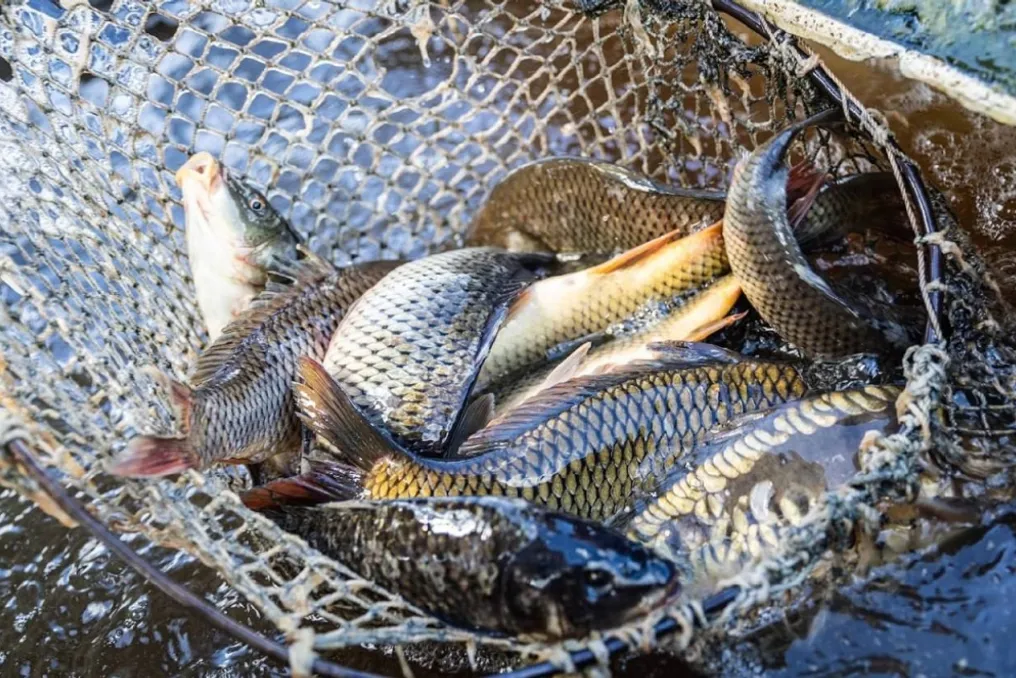
Uzbekistan intends to significantly increase fish production volumes, bringing the annual figure to one million tons. To achieve this goal, modern aquaculture enterprises will be established in various regions, and infrastructure for processing and warehouse construction will also be developed.

President Shavkat Mirziyoyev reviewed the submitted projects concerning the development of fish farming. One such project is the implementation in the Balykchin district, where irrigation wells are planned to be used for fish cultivation.

Specialized complexes are planned to be built around twenty-four wells. These facilities will cover the entire production cycle: from growing fry and preparing the feed base to subsequent processing, storage, and sale of fish. The area of each such complex will be fifty acres, and each facility is expected to produce at least thirty tons of trout annually and create ten jobs.

It is planned that the experience gained will be scaled up to other territories of the country. By March 1, 2027, state bodies will inspect more than four thousand irrigation wells across the country. Facilities deemed suitable for fish farming will be transferred to private entrepreneurs based on public-private partnerships.

Additionally, initiatives are being considered for cultivating and processing cold-water fish in Khanabad, as well as developing fish farms on the reservoirs of Ulugnor. To effectively coordinate all new projects, it is proposed to establish a specialized fisheries holding.

The state commits to providing financial support for these projects and covering the costs of training local residents in modern fish breeding methods. Previously, the creation of a Fish Farming Development Center was announced, which will oversee the industry, allowing fish farms to pre-approve water usage limits for the season.

Uzbekistan plans to expand aquaculture and build greenhouses for growing lemons
Read more
uzdaily.uz

Uzbekistan plans to expand aquaculture and build greenhouses for growing lemons

Uzbekistan intends to increase agricultural production, create jobs, and raise the incomes of low-income families by expanding intensive aquaculture and constructing energy-efficient greenhouses for cultivating lemons.

President Shavkat Mirziyoyev reviewed these plans, which include increasing fish production through the implementation of intensive aquaculture technologies and developing greenhouse complexes for growing lemons.

The fisheries sector has been tasked with increasing the annual fish production volume to one million tons by applying intensive technologies. The Balykchi district was presented as an example, where the potential of wells will be used to drain land for creating fish farms.

It is planned to create production complexes covering the entire supply chain, based around 24 wells. These complexes will cover all stages—from supplying fry and feed to aquaculture, processing, storage, and sales. Each such facility will occupy 50 sotoks of land, equivalent to 0.5 hectares. It is expected that each plot will produce at least 30 tons of trout annually and create 10 jobs.

To coordinate these projects in a unified system, it was proposed to establish a fisheries holding company. The experience gained in the Balykchi district is planned to be extended to other regions after an inventory of more than 4000 wells for land drainage across the country. This inventory must be completed by March 1, 2027. Wells suitable for aquaculture will be transferred to experienced entrepreneurs within the framework of public-private partnerships.

The presentation also highlighted projects on breeding and processing cold-water fish in Khanabad and developing aquaculture using water bodies in Ulugnor district.

A separate part of the presentation was dedicated to lemon cultivation. In the Balykchi district, the construction of energy-efficient greenhouses with a total area of 100 hectares near nine mahallas is planned. Entrepreneurs will receive fully equipped and ready-to-operate facilities.

The project provides for an integrated cooperative production chain that will include growing lemons, sorting, processing, packaging, storage, and sale. Special attention will be paid to employing unemployed citizens and supporting low-income families. Preliminary estimates show that at least 1000 local residents can work in 500 greenhouses.

Before the lemon trees begin to bear fruit, additional income is expected from growing other crops between the rows. Next year, energy-efficient greenhouse complexes with a total area of 200 hectares are planned to be built in other regions of the country, utilizing the experience of the Balykchi district. These facilities are intended for low-income families and unemployed people. The projects are expected to increase the income of 2000 families.

After the presentation, Mirziyoyev instructed relevant agencies to take measures to provide financial support for initiatives aimed at reducing poverty. The plans also include compensating for training costs for people in aquaculture and lemon cultivation.

Popular