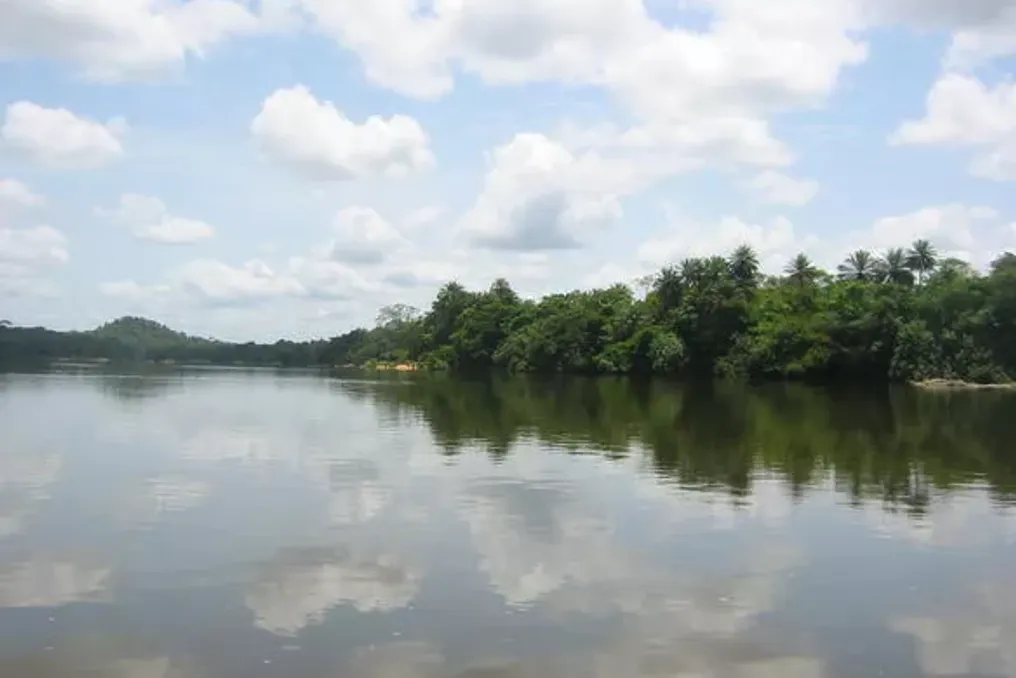
Located deep within the tropical forests of Sierra Leone, Tiwai Island is a sanctuary for some of the rarest species of wildlife in West Africa. Its conservation history is equally fascinating, as local communities actively participate in protecting the forest massif. Unlike more famous African safari destinations, Tiwai focuses on the tropical forest ecosystem, where animals hide in dense vegetation and the canopy, requiring patience and an experienced guide.
The island covers an area of about 12 square kilometers and is part of the Upper Guinean Forest—one of Africa's most important biodiversity centers. The name of the island itself means 'Big Island' in the Mende language. Eleven primate species are registered on Tiwai, including the endangered Diana monkey, the western red colobus, the suti mangabey, and the western chimpanzee.
Forest excursions offer the opportunity to see these animals in the treetops. Furthermore, the island is home to over 135 bird species, including mountain woodpeckers. The most elusive inhabitant is the pygmy hippopotamus—a rare species of West Africa that prefers forested areas near freshwater sources. Night boat trips on the Moa River offer a chance to spot these secretive animals, although there is no guarantee of seeing them.
Hikes introduce visitors to the fauna and ecology of Tiwai's tropical forest, while water excursions on the Moa allow for exploring the island in a different way. Between December and March, when water levels drop, sandy beaches appear along the northern edge of the island, where swimming in fresh water is possible under favorable conditions.
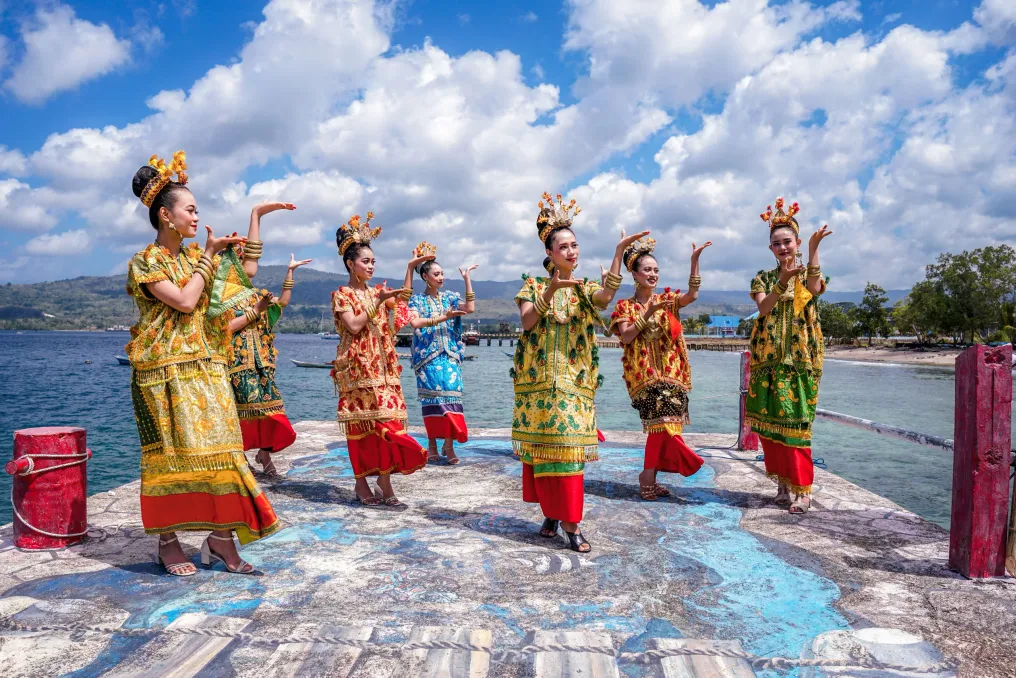
Cultural events involving eight surrounding communities can also be organized, which include traditional dances and introductions to local heritage. Accommodation here is simple: campsites and basic lodges are available. Meals prepared by community members usually consist of local products such as rice, ragout, and traditional sauces.
Tiwai Island was officially recognized as a wildlife reserve in 1987 and has a long history of scientific research and conservation efforts, especially in primates and tropical forest ecology. Today, protecting the island remains a central task for local residents. The ecotourism camp is managed by the Environmental Foundation for Africa’s Sierra Leone, with tourism revenue directed towards supporting the reserve, and the Community Development Fund serves eight surrounding settlements.
Tiwai is part of the broader Gola-Tiwai landscape, which includes the Gola Tropical Forest National Park. These protected areas together cover over 71,000 hectares and serve as habitat for endangered species such as western chimpanzees and pygmy hippos. In July 2025, the Gola-Tiwai complex was included in the UNESCO World Heritage List, highlighting its exceptional biodiversity and importance to the Upper Guinean Forest.
Access to Tiwai is achieved by traveling from Freetown towards the Southern Province of Sierra Leone, then driving along the road to the Moa River, and finally crossing by boat. The dry season, typically from December to March, provides the best conditions for exploration and access to seasonal riverbanks. The rainy season, usually from May to October, can complicate travel. Transport, accommodation, and guiding services should be booked in advance through the reserve's tourism team.
Although Tiwai Island may be less known than established African safari destinations, its significance for wildlife and environmental conservation makes it a worthy discovery. It offers travelers willing to step outside conventional routes a chance to encounter rare species, study an exceptional tropical forest, and learn about communities working to preserve it.