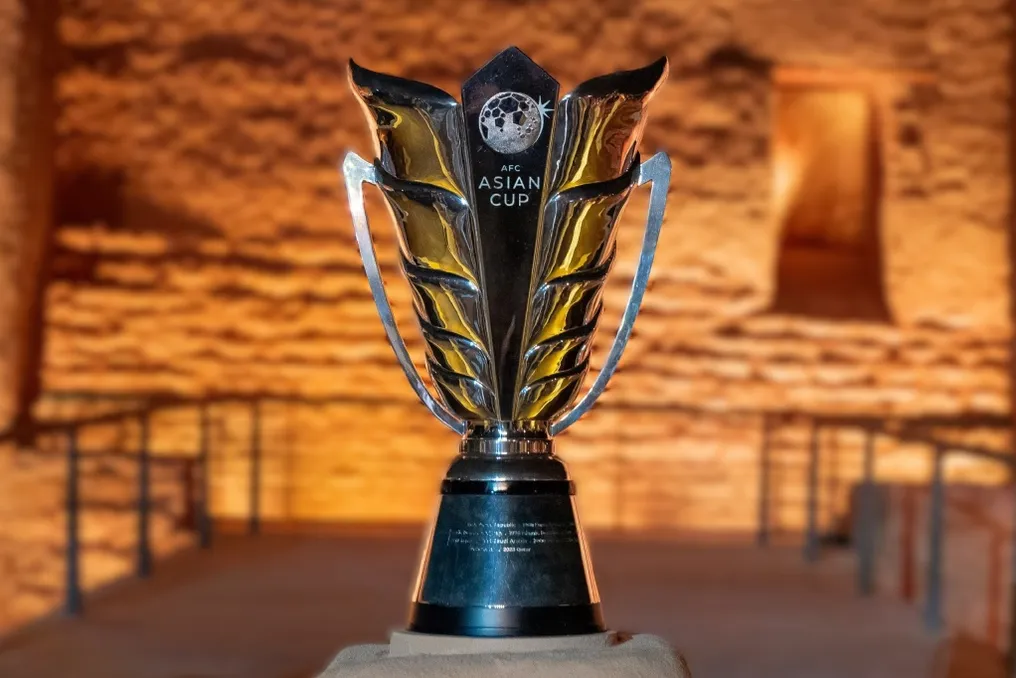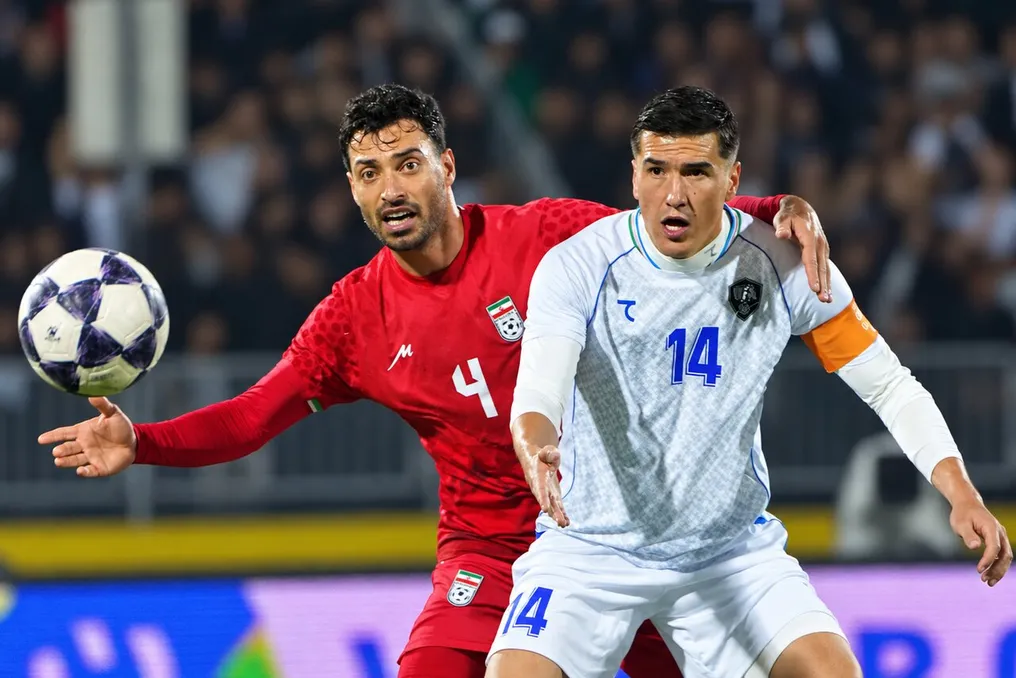
The postponement of the 2027 Asian Cup has provided Iran with a new timeframe to prepare for the continental tournament. However, it has also removed one of the main arguments previously used to justify delaying a significant generational change: the limited time between the 2026 FIFA World Cup and the Asian Cup.
The Asian Football Confederation announced on November 3 that the tournament, originally scheduled for January 7 to February 5, 2027, will now take place from December 23, 2027, to January 21, 2028. This decision was made due to exceptional regional circumstances and logistical issues, meaning the competition will start almost a year later than originally planned, pending FIFA approval.
For Iran national team head coach Amir Galenoie, this is more than just a date change. It is an opportunity and an obligation to reshape the national team and prepare a younger generation for the next stage of Iranian football.
Until now, one of the arguments against actively involving young footballers was the relatively short interval between the World Cup and the Asian Cup. It was assumed that the 'Team Melli' should retain its most experienced players, leaving little room for experimentation or significant squad changes.
Since the tournament has been moved to late 2027, this argument has largely lost its force. The question is no longer about having enough time to recover, but about Galenoie's readiness to make the necessary decisions.
This issue has become particularly relevant following Iran's recent international performances. According to one report, seven players who participated in Galenoie's first match against Russia in 2023 remained key members of the team in October 2026. Among them were Ramin Rezaeian, Ehsan Hajsafi, and Shoja Khalilzadeh, all over 36 years old.
Meanwhile, Galenoie has defended his stance on youth development. In October, he cited young footballers such as Aria Yosefi, Saleh Hardani, Amirmohammad Razzagnia, and Amirhossein Mahmoudi, whom he introduced during his tenure. He also acknowledged that Iran missed opportunities to give more young athletes international experience.
However, including several young players does not necessarily equate to building a new generation. Iran needs a clear succession plan, greater competition for spots, and constant opportunities for rising talents to establish themselves internationally.
For Galenoie, the extended preparation period changes the dynamic. Experience will still be important, but it should no longer come at the cost of squad renewal. Since the Asian Cup has been pushed further out, the responsibility for building Iran's future cannot be postponed indefinitely.