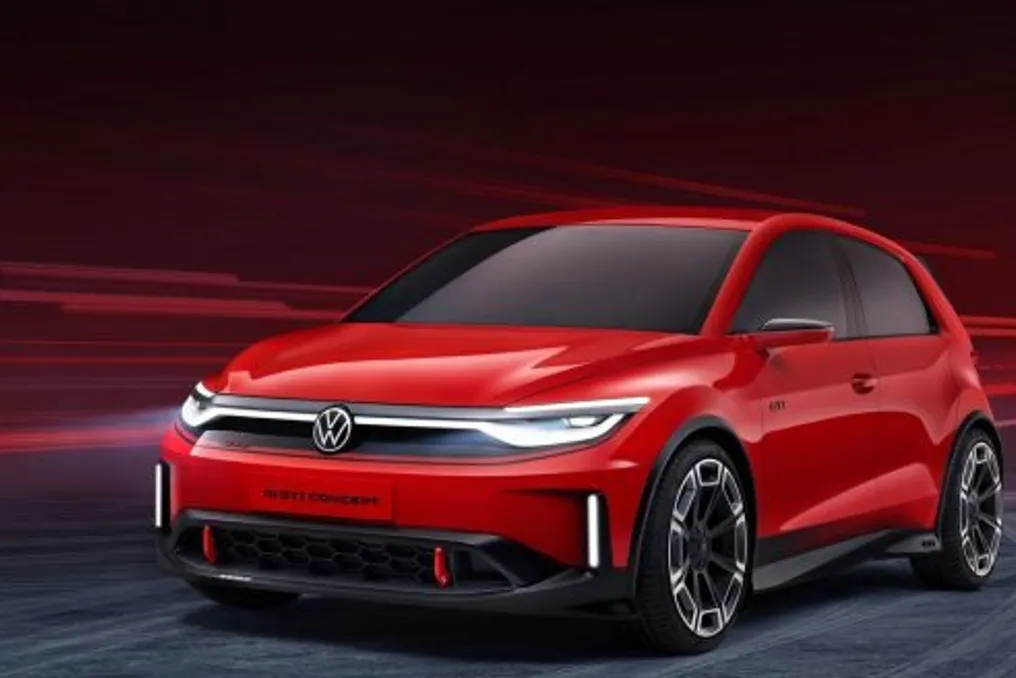
Volkswagen has decided to pause the development of its fully electric Golf model, citing lack of financial resources as the main reason. This information was disclosed by Thomas Schäfer, President of Volkswagen, during an internal interview obtained by the German broadcaster NDR.
Schäfer confirmed that although the board approved the halt, the project has not been permanently canceled. The executive stated: 'We simply cannot afford this work at the moment.' The model, known as ID. Golf, would represent the ninth generation of the hatchback, whose debut was initially scheduled for 2028 and had already been postponed to 2030; now, its arrival is expected in the early next decade.
Meanwhile, the Golf continues to be produced with combustion and hybrid engines. In the Brazilian market, the vehicle returned this year only in the GTI sports version, which is imported from Germany and sold starting from R$ 430 thousand.
This decision came just days after the group reported a loss of R$ 35.2 billion (equivalent to 5.8 billion euros) accumulated between July and September. This result represents the company's worst quarter since the end of 2015, a period marked by the Dieselgate scandal concerning fraud in diesel engine emission tests.
One of the biggest negative impacts came from Porsche, a brand belonging to Volkswagen. The company registered a reduction of R$ 38.8 billion in Porsche's balance sheet value, anticipating lower sales of the sports brand in the coming years. Although this is an accounting loss without cash movement, it significantly affected the overall result.
In China, a market that was once a major source of profit for Volkswagen, there was a 38.5% drop in deliveries in the quarter, as consumers began preferring local manufacturers, such as BYD, over foreign brands.
In the United States, the increase in costs for imported cars was driven by tariffs imposed by Donald Trump. Additionally, electric vehicles, despite gaining ground in sales, generate lower profit per unit compared to combustion models.
In response to these challenges, the company implemented a plan that foresees up to 100,000 layoffs and the closure of up to four factories located in Germany. An internal communication revealed that the Wolfsburg factory, the origin of the Golf, is R$ 1.8 billion short of the established savings target. Furthermore, the production of the combustion Golf is expected to be relocated to Mexico in 2027.