The Minister of Transport and Urban Development reported that during the first six months of the current year, imports through the country's northern sea borders grew by 76%, despite the closure of southern ports.
According to IRNA, Farzane Sadeghi, speaking at a parliamentary session on Tuesday as part of the Civil Committee's report on the evaluation of the work of bodies responsible for border and transit crossings, emphasized that due to changes in trade and events in the southern ports, as well as unfair blockade, the arteries of the country's foreign trade have undergone a paradigm shift.
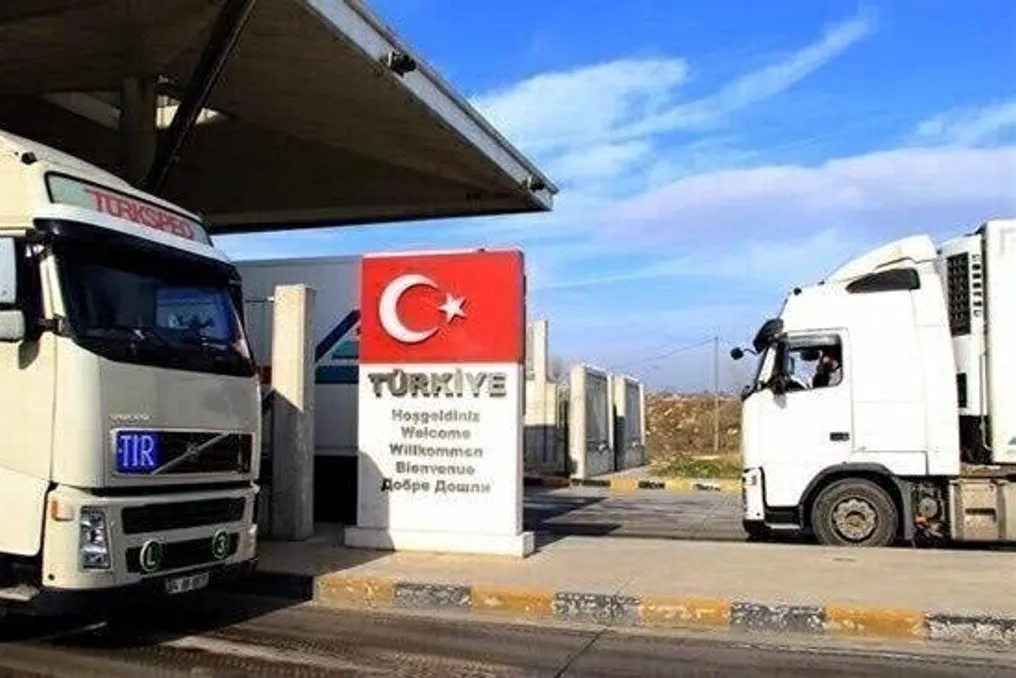
Thanks to planning conducted at other national borders, the movement of goods did not stop for even an hour. Sadeghi added that this was achieved through the coordinated efforts of the Civil Committee, road transport, experts, deputies, directors of the Ministry of Transport and Urban Development, the Customs Administration of the Islamic Republic of Iran, the Planning and Budget Organization, supervisory and security structures, and maximum participation from the private sector, at key terminals including Bazargan, Dogarun, Rimdan, Vashmak, Sarahs, Norduz, Razi, Tamarchin, Poldasht, and northern ports.
The Minister of Transport and Urban Development noted that the problems existing at border terminals in the road and automotive sectors are not limited to this year, last year, or the last ten years. He also mentioned that in accordance with Article 57, Paragraph (A) of the Seventh Development Law, a legal resolution was adopted to establish a Transit Headquarters to address these issues.
Sadeghi stressed that the main problem was not unified management but integrated management, which was resolved within the framework of the Transit Headquarters. She reported that the ministry is developing and taking measures to improve infrastructure and transport diplomacy with the aim of reforming necessary processes.
The Minister of Transport and Urban Development emphasized that despite all the difficulties in the southern ports and the blockade, a paradigm shift occurred thanks to special presidential decrees, and over 85% of goods import and export, which previously passed through southern ports, has been redirected to other borders.
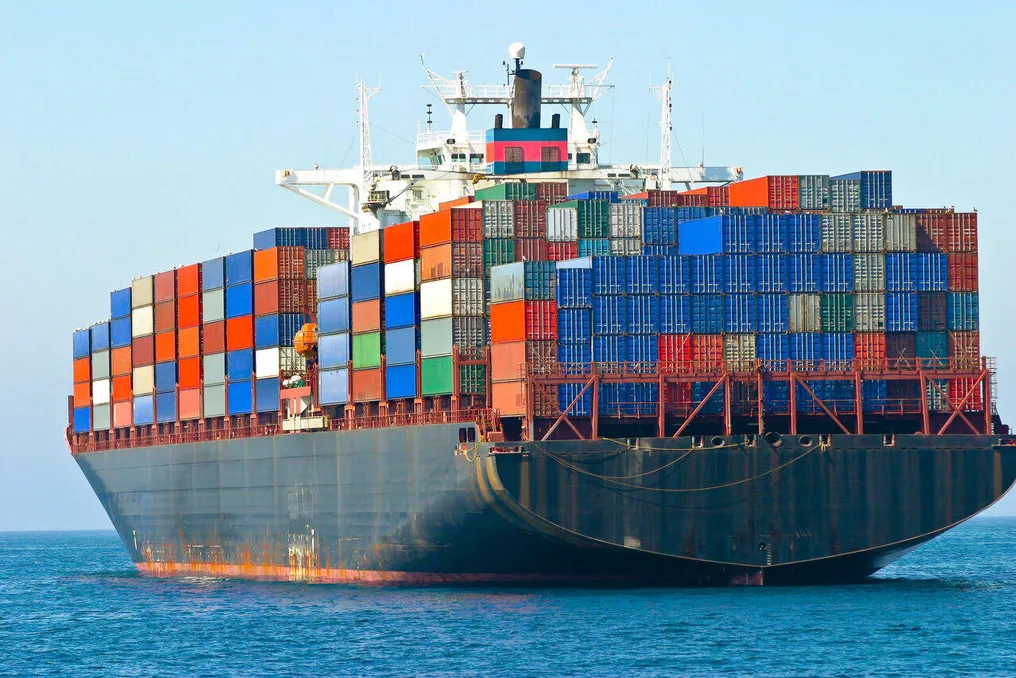
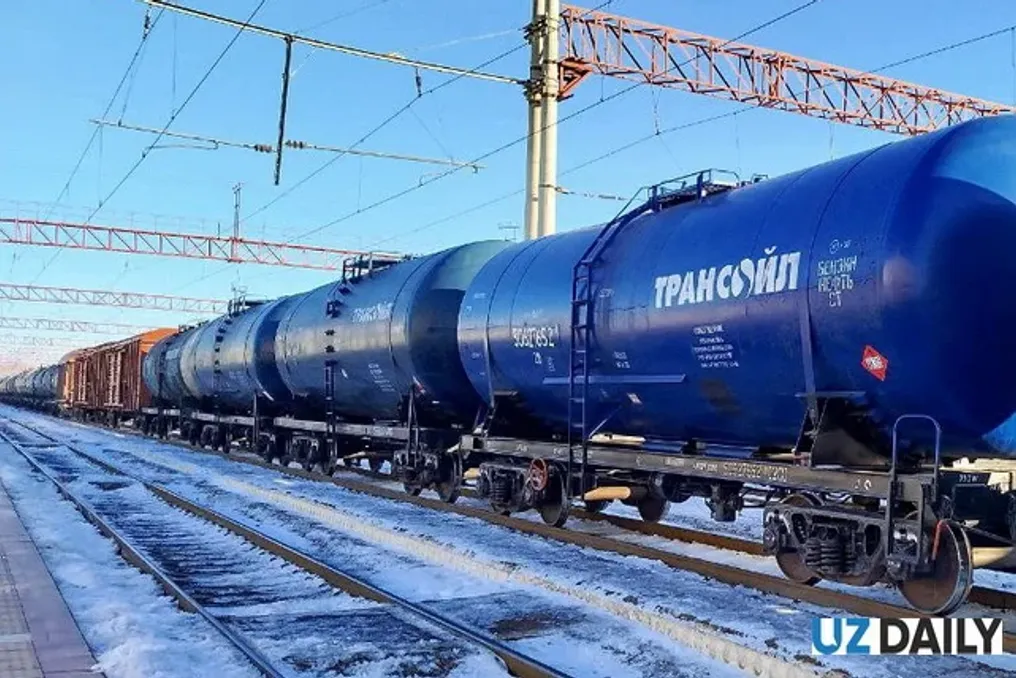
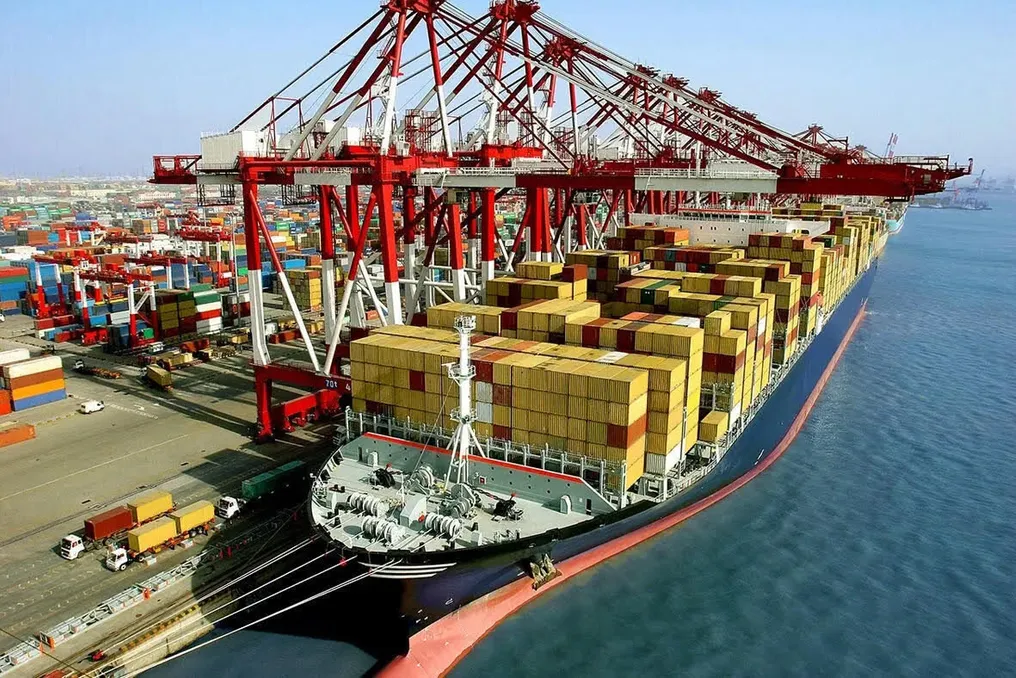
Farzane Sadeghi provided statistics: in the first six months of the year, despite the closure of southern ports, imports through the northern sea borders increased by 76%, imports through land borders by 41%, and imports via rail routes also significantly increased. Exports from northern ports increased by 10%, exports through land border crossings by 9%, and exports by rail by 53%.