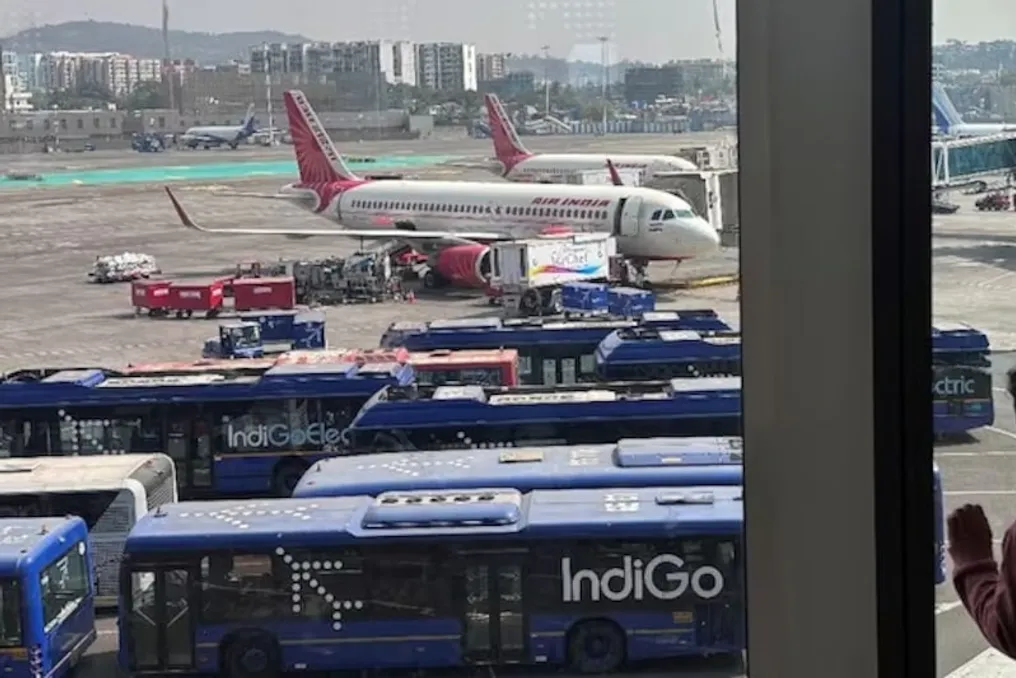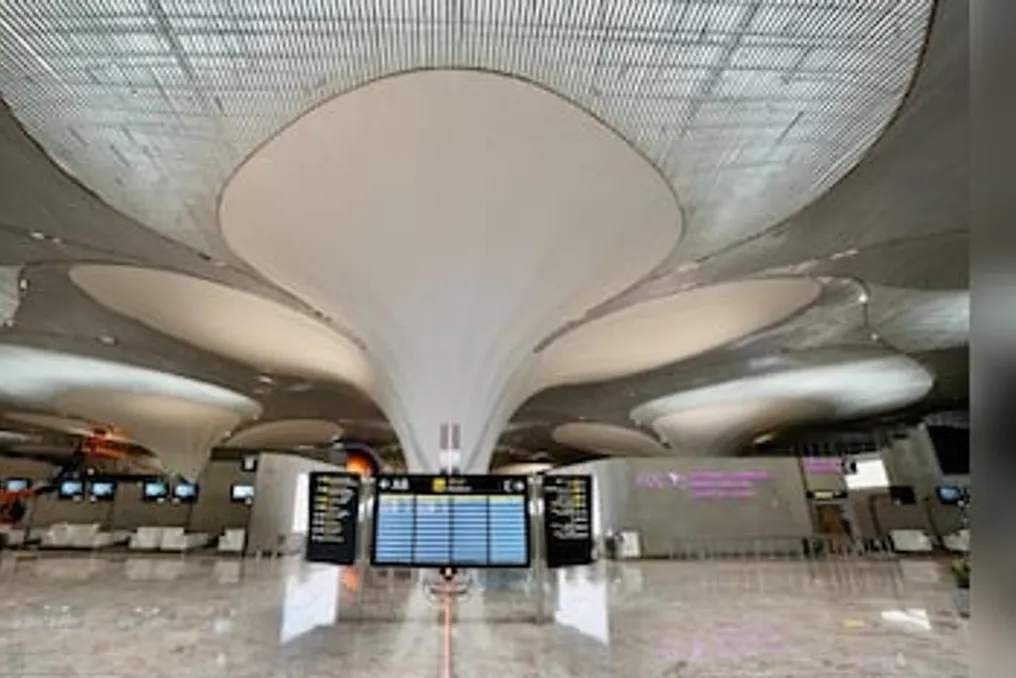
IndiGo's CEO, Will Walsh, stated on Tuesday that the increased capacity following the reconstruction of Terminal 1 at Mumbai airport should lead to a reduction in per-passenger fees.
Both airports—Mumbai and Navi Mumbai—are managed by entities of the Adani Group. Airport fees are payments charged by airports to airlines for services such as aircraft landing and parking, and airlines factor these costs into ticket pricing.
Explaining the significance of Navi Mumbai airport for IndiGo's future plans, Walsh emphasized the strategic importance of transitioning to Navi Mumbai. He noted that this market will become a critical part of the company's expansion plans both domestically and internationally. IndiGo's presence in both Mumbai and Navi Mumbai will be significant, and the company must find a solution that benefits both it and the airport.
Currently, there is a dispute between the Adani Group and airlines, particularly foreign carriers, regarding the relocation of international flights to Navi Mumbai airport during the reconstruction of the old airport's Terminal 1.
The Adani Group had proposed relocating or canceling 265 out of 770 weekly Mumbai international flights by the next summer season. Although several foreign airlines requested more time, Air India, Air India Express, IndiGo, and Akasa Air separately agreed to move one-third of their international flights by this deadline.
Regarding the expected impact of the reconstruction on airport fees, Walsh said: 'If it means greater capacity at the airport, then the fee per passenger should be lower than today. And that is an issue. Just as we focus on our expenses, I believe airports should keep that in mind.'
During a panel discussion at the Aviation India and South Asia Summit, Walsh also announced that IndiGo would seek international airline partners to support its long-haul expansion, primarily aimed at accessing overseas markets. He clarified that this relates more to market access than financial investment.
He added that the airline could explore various collaboration options, including codeshare agreements, joint ventures, and revenue-sharing partnerships. Walsh noted that IndiGo already has commercial relationships with 13 airlines and believes deeper partnerships will be important for international expansion. He also suggested that international airlines would be interested in working with IndiGo due to its extensive domestic network and access to the Indian market.
Concerning the airline's domestic network, Walsh reported that IndiGo serves over 300 city pairs where it lacks competition. A city pair refers to a route connecting two locations. He stressed that 'there are over 300 city pairs that we serve where no one competes with us. And it's not that they can't, but that they prefer not to,' adding that the airline built its position through continuous expansion and operational efficiency.
Walsh also mentioned that IndiGo's experience with operating the Boeing 787 provided valuable lessons for future international business. The wet-lease agreement with Norwegian Atlantic Airways, under which Norse supplied six Boeing 787-9 aircraft and pilots while IndiGo provided cabin crew, officially concluded on October 31, ending its temporary wide-body operations.
Regarding cargo operations potential, he stated: 'Cargo operations have been very positive. I think it is very important to consider that cargo operations will become a very important part of our business in the future. Customers like this service.'
He noted that significant experience was gained from operating the Boeing 787, although managing this aircraft differed greatly from managing the Airbus A350. Walsh expressed confidence that the A350-900 would suit IndiGo's international expansion, especially in Asian markets.