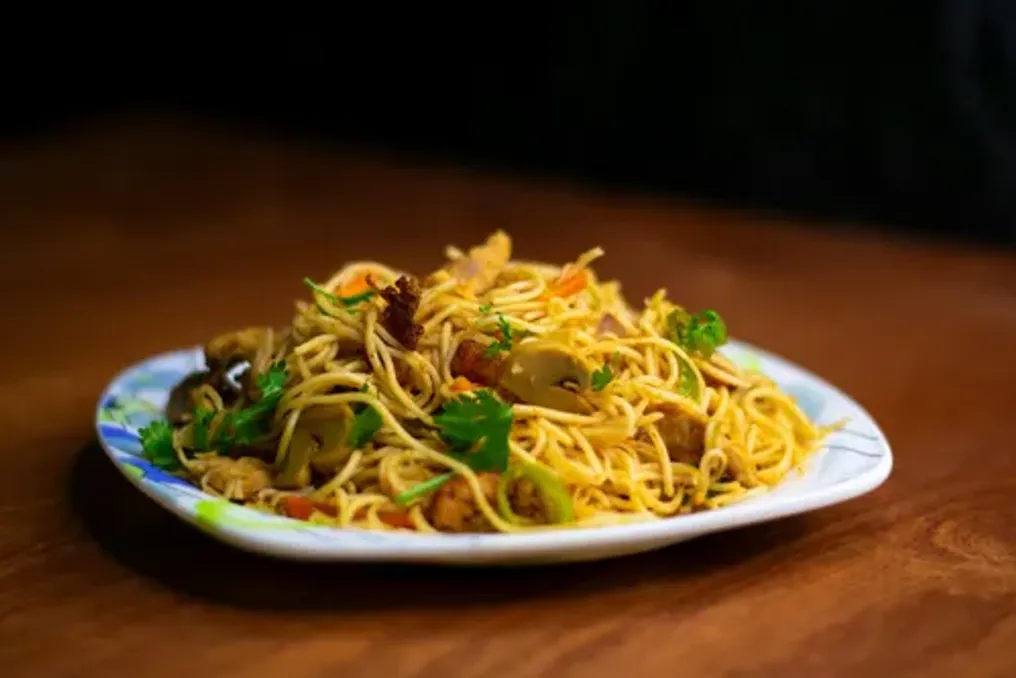
Quick Vegetable Chow Mein for a Simple Meatless Dinner
Read more
IOL
iol.co.za

Quick Vegetable Chow Mein for a Simple Meatless Dinner

Vegetable chow mein is a dish that is pleasant to add to a family dinner menu. Thanks to tender egg noodles, fresh vegetables, and a savory sauce, this hearty dish cooks very quickly. The charm of this vegetable chow mein recipe lies in its simplicity.

The cooking process involves stir-frying the vegetables, mixing the noodles with a sauce based on soy and oyster sauce, and combining all ingredients in one pan. This recipe is also useful when you need to prepare a meal without meat without sacrificing flavor.

Vegetable Chow Mein Recipe

Ingredients

  • 1 onion
  • 1 carrot
  • 150 g mushrooms
  • 100 g spinach
  • 6 short green onions
  • 10 g ginger
  • 3 cloves of garlic
  • 200 g egg noodles
  • 4 tablespoons oyster sauce
  • 2 tablespoons soy sauce
  • ¼ teaspoon salt
  • ½ teaspoon sugar
  • Vegetable or sesame oil for frying

Instructions

In a small bowl, mix the oyster sauce, soy sauce, and sugar. Stir until the sugar is completely dissolved, then set aside. Chop the onion, carrot, and mushrooms. Finely chop the spinach, mince the ginger and garlic, and cut the green onions into three parts. Set aside some of the green onions for garnish.

Bring water to a boil in a pot and cook the egg noodles for about 5 minutes or according to package instructions. Drain the water and set aside. Heat a little vegetable or sesame oil in a wok or deep skillet over medium-high heat. Add the onion and mushrooms and fry until lightly softened.

Add the spinach and cook until wilted. Stir in the ginger and garlic, then add the carrot. Continue to fry until the vegetables are slightly tender. Then add the cooked noodles to the skillet, followed by the prepared sauce. Mix everything until the noodles are evenly coated and the vegetables are distributed.

Season with salt to taste, then add the green onions and mix again. Remove from heat and garnish with the remaining green onions before serving.

How to prevent chow mein noodles from sticking

One of the most common problems when making chow mein is the noodles sticking before they go into the pan.

Several simple steps can help:

  • Cook the noodles until slightly soft, avoiding overcooking.
  • Drain the water thoroughly before adding them to the hot dish.
  • If the noodles stick while waiting to be used, toss them with a little oil.
  • Add the noodles to the skillet after the vegetables are cooked and the sauce is ready.

The noodles will continue to cook slightly when mixed with hot vegetables and sauce, so avoid overcooking them in water.

Similar stories

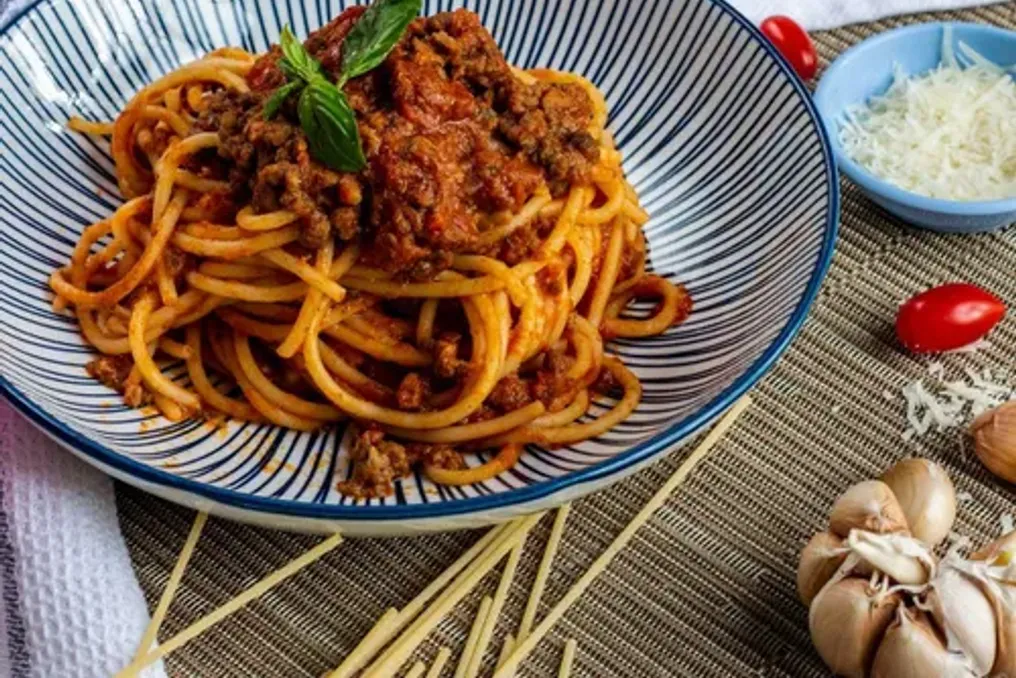
Quick Spaghetti Bolognese Recipe Ready in 20 Minutes
Read more
iol.co.za

Quick Spaghetti Bolognese Recipe Ready in 20 Minutes

Spaghetti Bolognese is a reliable dish for a family dinner, especially when you need something that everyone will like without spending a lot of time in the kitchen. Although traditional Bolognese sauce benefits from slow simmering, this faster version is designed for busy weeknights when time is limited.

Preparing the sauce takes about 20 minutes, making it a convenient option for evenings when dinner needs to be ready without much fuss.

Quick Spaghetti Bolognese Recipe

Ingredients

  • 3 tbsp olive oil
  • 1 large onion, finely chopped
  • 3–4 cloves of garlic, minced
  • 400g of beef or lamb mince
  • 1 tsp salt and pepper for seasoning the mince
  • 2 tbsp tomato paste
  • 500g tomato passata or 1 can of crushed tomatoes
  • 2 cups of water, quantity adjusted according to desired sauce consistency
  • 1 tbsp dried mixed herbs, such as oregano, thyme, and rosemary
  • 1–2 tsp sugar, to taste
  • 1 tsp salt, to taste
  • Chili flakes, optional
  • ¼ cup fresh basil, chopped
  • Cooked spaghetti, for serving

Instructions

  1. Heat the olive oil in a large pot over medium heat. Add the onion and garlic and sauté until lightly golden.
  2. Add the mince and break it up with a wooden spoon into small pieces. Season with salt and pepper. Cook for 5–10 minutes until the meat is browned and the released liquid has evaporated.
  3. Stir in the tomato paste and cook for one minute.
  4. Add the passata or crushed tomatoes, water, mixed herbs, and sugar. Add chili flakes if you prefer a little spice.
  5. Stir in the chopped basil, reduce the heat, and cover. Simmer on low heat for 10 minutes.
  6. Taste and adjust seasonings, adding more salt or sugar if necessary. Serve the sauce over cooked spaghetti.

How to Enhance the Flavor of Quick Bolognese

The secret to a good quick Bolognese sauce is to allow the mince enough time to brown before adding the tomatoes. It must be broken down into small pieces and allowed to release excess liquid, rather than rushing to the next step.

Sugar helps balance the acidity of the tomatoes, but start with a small amount and add more only if necessary. The sauce should have a rich flavor, not be sweet.

If the sauce turns out too runny, remove the lid and let it simmer for a few more minutes. If it becomes too thick, add a little water.

Time-Saving Tip:

Cook the spaghetti while the sauce is simmering. Check the cooking time on the package and coordinate both processes so everything is ready at the same time.

Vegetable Pasta Soup Recipe: How to Make a Homemade Hot Soup for the Whole Family
Read more
www.aajtak.in

Vegetable Pasta Soup Recipe: How to Make a Homemade Hot Soup for the Whole Family

During the cold season, enjoying a hot soup has a special charm. When you crave something light, warm, and tasty, you can prepare vegetable soup at home. Adding vegetables such as carrots, beans, cabbage, and bell peppers significantly enhances the taste and nutritional value of the soup.

If you want to prepare something special for children and adults, you can add some pasta. This will improve the soup's flavor and make it more filling. Below is a simple instruction on how to prepare vegetable soup with pasta at home.

How to make vegetable soup at home?

1. Vegetable Preparation

First, thoroughly wash and finely chop the carrots, beans, bell peppers, cabbage, and onion. Also, prepare the chopped ginger, garlic, and green pepper. A small cut size allows the vegetables to cook faster, and they will have a pleasant taste when eaten.

2. Sautéing Spices

In a deep skillet or pot, heat two teaspoons of oil. Add the finely chopped garlic, ginger, and green pepper and sauté for a few seconds. Then, add the onion and cook until lightly softened. It is important to ensure that the garlic does not burn, otherwise, the soup may take on a bitter taste.

3. Cooking Vegetables

Now, add the carrots, beans, bell peppers, and cabbage to the skillet. Sauté them over medium heat, stirring for two to three minutes. After this, pour in the required amount of water and bring the soup to a boil.

4. Adding Pasta and Seasonings

Add the pasta, soy sauce, tomato ketchup, black pepper, and salt to taste to the soup. Stir all ingredients thoroughly. Cook the pasta until soft according to the package instructions. If the pasta was pre-cooked, it should be added later so that it does not become too mushy.

5. Thickening the Soup with Starch

To give the soup a light thickness, prepare a solution by mixing cornstarch with a small amount of cold water. Slowly pour this solution into the soup while constantly stirring to avoid lumps. Then, add vinegar and cook the soup for about 8–10 minutes, or until the vegetables and pasta are completely cooked.

6. Serving with Herbs

Finally, sprinkle the finished vegetable soup with finely chopped green onions. Pour the hot vegetable soup into a bowl and enjoy it on a winter evening. Optionally, you can adjust the amount of green pepper and vinegar according to taste.

A small tip: If you prefer a lighter soup, reduce the amount of oil and cornstarch. When cooking for children, it is recommended to reduce the amount of green pepper and black pepper.

Simple recipe for chicken stew for a budget family dinner
Read more
iol.co.za

Simple recipe for chicken stew for a budget family dinner

Chicken stew is a dish that simplifies the process of feeding the family. It is hearty, affordable, and quite simple to prepare on a weekday without requiring hours in the kitchen. Furthermore, it is a practical way to use several parts of chicken, combining all ingredients in a rich sauce.

It can be served with rice, potatoes, or fresh bread, resulting in a complete family dinner that requires no extra complexity. This recipe maintains simplicity: chicken and vegetables are slowly simmered in one pot until tender. Pre-frying the chicken helps develop flavor, and a little patience at the end allows the sauce to thicken.

Chicken Stew Recipe

The following ingredients are needed for preparation: 1 tablespoon of oil, pieces of chicken, 1 tablespoon of butter, 1 large onion, sliced, 1 teaspoon of minced garlic, 1 teaspoon of parsley, 1 teaspoon of thyme, 1 teaspoon of paprika, 1 tablespoon of tomato paste, 2 large carrots, diced, 2 medium potatoes, diced, 1 cube of chicken broth dissolved in 1 cup of warm water, ½ cup of warm water, 1 teaspoon of flour, 2 tablespoons of water, salt and pepper to taste.

The cooking process begins by heating the oil in a large pot over medium heat. The pieces of chicken are fried on both sides, then removed and set aside. Butter is added to the same pot. The onion is fried until soft, then the minced garlic is added. Then parsley and thyme are mixed in and cooked for about a minute. Paprika is added and stirred. After this, the tomato paste is added and fried for another minute. The pieces of chicken are returned to the pot and covered with the onion mixture. Diced carrots and potatoes are added, stirring well. The dissolved chicken broth and an additional half cup of warm water are poured in. Flour is mixed with 2 tablespoons of water to form a smooth consistency, and then poured into the pot. The dish is seasoned with salt and pepper. Then the heat is reduced and cooked over low heat until the chicken and vegetables are tender. In the final minutes, it is simmered uncovered until the sauce reduces and thickens.

Why it is important to fry the chicken

One of the common problems when making homemade chicken stew is the bland taste of the sauce. Frying the pieces of chicken before adding liquid helps develop a deeper flavor and gives the stew a richer finish. When frying the chicken, you should not overcrowd the pot; if the pieces are placed too closely together, they will steam rather than brown.

How to make chicken stew thicker

Wateriness is another frequent complaint about this dish. This recipe uses a simple batter of flour and water, which is added to the pot before simmering begins. The main condition is to thoroughly mix the flour with cold or room temperature water beforehand. Adding dry flour directly to the stew can lead to lumps. As the stew cooks uncovered towards the end, the sauce naturally reduces and thickens.

For busy households looking for a budget-friendly chicken dinner that seems hearty but does not require complex preparation, this chicken stew recipe is a reliable option for the weekly menu.

Popular