India vs Sri Lanka ODI match postponed by DDCA due to air pollution in Delhi
Read more
Aaj Tak
www.aajtak.in

India vs Sri Lanka ODI match postponed by DDCA due to air pollution in Delhi

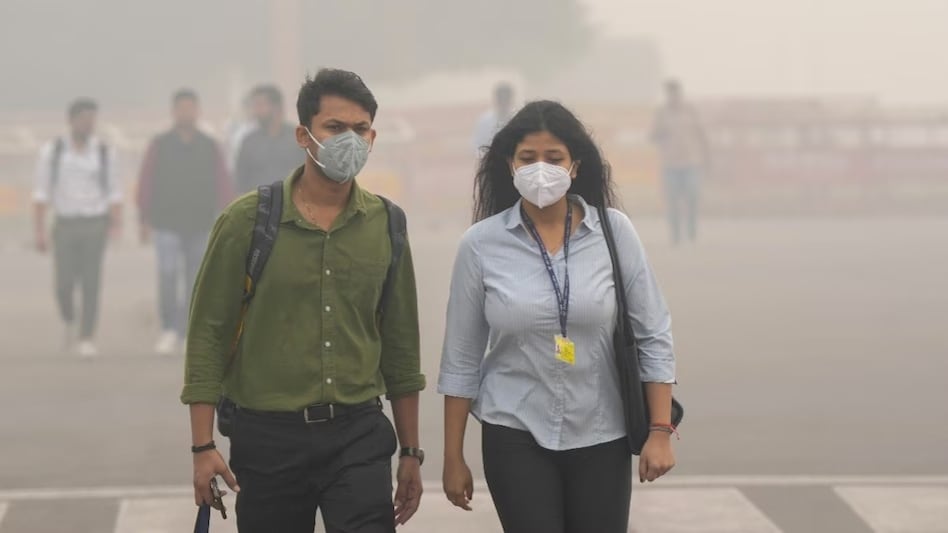
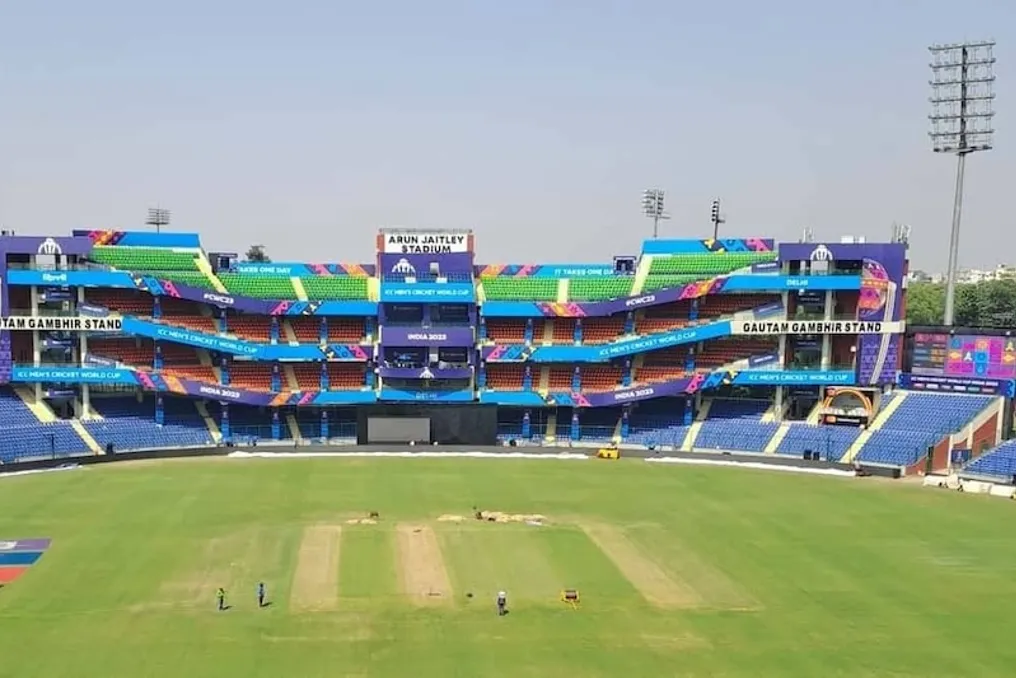
Air pollution in Delhi has begun to affect cricket. The first ODI match of the series between India and Sri Lanka, scheduled for December 13, will no longer take place in the capital city. The Delhi and District Cricket Association (DDCA) has approached the Board of Control for Cricket in India (BCCI) requesting that this match be held outside of Delhi.

According to sources, DDCA sent an official letter to BCCI expressing its inability to host the match on the scheduled date. Several factors were cited as reasons, but the primary issue is the level of pollution in Delhi. Furthermore, renovation work is ongoing at the Arun Jaitley Stadium.

A DDCA source told Cricbuzz that while the renovations are important, the priority is holding the match elsewhere due to the AQI reading in Delhi. DDCA believes that the air quality in the capital in December could pose problems for the players. Last year, the average Air Quality Index (AQI) in Delhi in December was 351, and on Monday (November 2), the pollution level remained similar, so DDCA does not wish to take any risks.

The experience of the 2017 match also caused concern for DDCA. During a Test match between India and Sri Lanka in Delhi in December 2017, Sri Lankan players were observed vomiting due to pollution. DDCA representatives do not want a repeat of this situation and also asked BCCI to postpone this match to another date next year.

The first match of the three-match ODI series between India and Sri Lanka was supposed to take place in Delhi on December 13. The second match was scheduled for December 16 in Bangalore, and the third for December 19 in Ahmedabad. If the match is cancelled in Delhi, BCCI may be forced to change the schedule of the entire series.

Interestingly, BCCI had previously denied rumors about the postponement of the match from Delhi. The council's secretary, Devadjit Saikia, clearly stated on October 12 that reports of the India-Sri Lanka match being moved to Ahmedabad were untrue. He emphasized that BCCI had not made such a decision, and bilateral matches are conducted within established policy. Nevertheless, DDCA itself has now demanded that the match be held elsewhere, narrowing the options for BCCI beyond moving it from Delhi. An official announcement regarding a new venue has not yet been made.

Similar stories

Air quality in Delhi-NCR deteriorates to AQI 334; improvement not forecasted
Read more
www.aajtak.in

Air quality in Delhi-NCR deteriorates to AQI 334; improvement not forecasted

The air pollution problem has flared up again in the Delhi-NCR region, as air quality in the capital and surrounding cities reached the 'Very Poor' category. On Tuesday morning, the Air Quality Index (AQI) in Delhi-NCR was recorded at 334. Consequently, the Commission for Air Quality Management (CAQM) immediately implemented Phase Two of the Graded Response Action Plan (GRAP-2) for the entire NCR.

Due to adverse weather conditions, relief from pollution is unlikely in the coming days. As a result, control measures will be intensified, including street cleaning, water spraying, and monitoring of vehicles and industries.

Pollution levels in Delhi have sharply increased over the last two days. On October 31, the AQI in the capital was 117, which falls into the moderate category. Then, on November 1, the index rose to 261, moving the air into the 'Poor' category. On Monday, November 2, at 4:00 PM, an AQI of 324 was registered, placing the air in the 'Very Poor' category. On Tuesday morning, air quality did not improve but worsened further.

The Commission for Air Quality Management attributed the rise in pollution to unfavorable meteorological conditions. According to the commission, the AQI may remain in the 'Very Poor' category in the following days. Forecasts from the India Meteorological Department (IMD) and the Indian Institute of Tropical Meteorology (IITM) also show no signs of air quality improvement currently.

With the implementation of GRAP-2, numerous measures to prevent pollution in Delhi-NCR will be accelerated. The Commission has directed all relevant agencies to strictly adhere to the rules of GRAP Phase One and Phase Two. Under these measures, municipal bodies are instructed to increase mechanized street sweeping, regularly spray water to prevent dust rise, and use anti-smog cannons as necessary. Proper collection and disposal of construction debris generated during demolition and construction, along with household waste, must also be ensured. Measures will be taken against those who burn garbage in the open ground.

Special attention is being paid to road traffic to reduce pollution levels. The presence of traffic police officers has been increased at major intersections and busy streets to avoid congestion. Since smoke from cars stuck in traffic also increases pollution, the focus is on maintaining smooth traffic flow. Furthermore, checks on vehicle Pollution Under Control (PUC) certificates have been tightened. Action is being taken against vehicles that emit excessive smoke. Restrictions applicable to older petrol and diesel vehicles are being strictly enforced.

Under GRAP-2, control over industrial units, brick kilns, and power plants has also been strengthened. Personnel have been instructed to ensure strict compliance with pollution control rules by these establishments and to use only approved fuel. Hotels, restaurants, and street food stalls are also under surveillance. They have been directed to stop using coal and wood in tandoors and switch to electrically or gas-powered equipment.

GRAP, or Graded Response Action Plan, is an emergency measure to combat pollution. Various levels of restrictions and control measures are introduced depending on the deterioration of air quality. GRAP-1 is applied when the AQI is between 201 and 300, considered a poor category. GRAP-2 is introduced when the AQI is between 301 and 400, corresponding to the 'Very Poor' category. GRAP-3 is applied when the AQI is between 401 and 450, called the critical category. GRAP-4 is activated when the AQI exceeds 450.

The Commission for Air Quality Management made amendments to the GRAP rules in September. These changes extended the scope of certain restrictions for vehicles operating during GRAP-3 to Sonipat in Haryana state. Previously, these restrictions for light motor vehicles of BS-3 petrol and BS-4 diesel or older were applicable in Gurugram, Faridabad, Ghaziabad, and Gautam Buddha Nagar. After the amendment, Sonipat was also included in this list. Currently, the administration has directed an intensification of monitoring and pollution control measures in Delhi-NCR considering the weather conditions.

Rain improved weather in Delhi-NCR, but air quality remains poor, AQI exceeds 200
Read more
www.aajtak.in

Rain improved weather in Delhi-NCR, but air quality remains poor, AQI exceeds 200

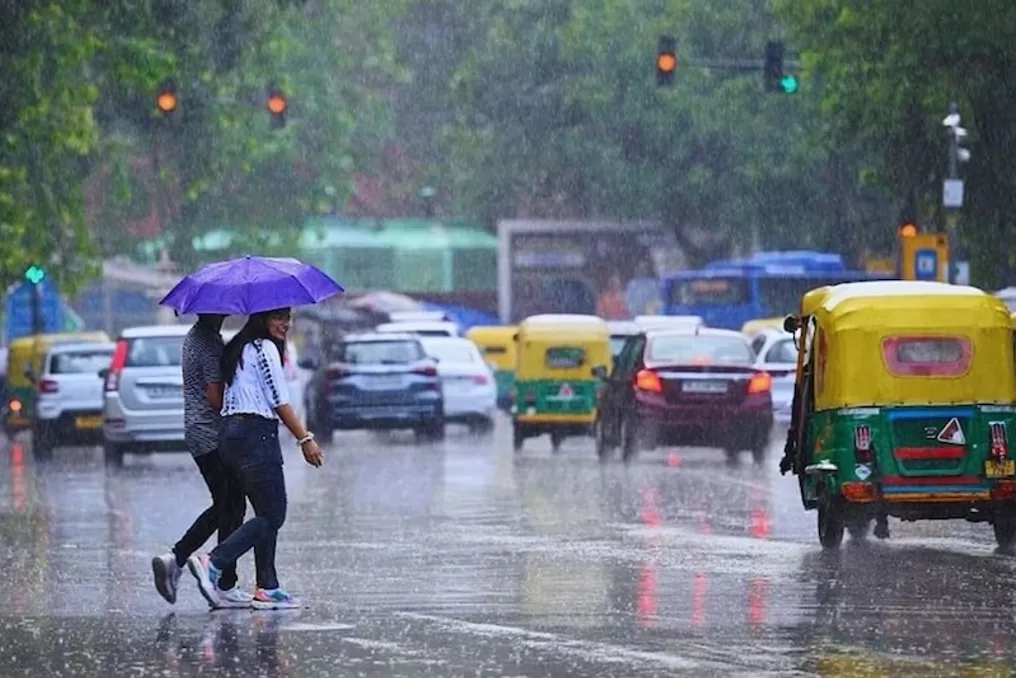
Rain fell in several areas of Delhi-NCR on Sunday. The rain noticeably affected places such as Noida, Ghaziabad, Gurugram, and Faridabad. Thanks to the cool wind after the rain, the weather became pleasant.

According to data from the India Meteorological Department (IMD), the maximum temperature in Delhi is expected to be between 31°C and 33°C, and the minimum between 17°C and 19°C.

Regarding air quality in Delhi, the Air Quality Index (AQI) was recorded at 248 in Alipur. The Central Pollution Control Board (CPCB) reported the following readings: in DTU, the AQI was 203; in IIT Delhi, it was 254; in Burari, it was 167; in Ashok Vihar, it was 150; in Dwarka Sector-8, it was 198; at IGI airport (T3), it was 176; at Jawaharlal Nehru Stadium, it was 229; and in Anand Vihar, it was 179.

It should be noted that according to the classification, an AQI from 0 to 50 is considered 'good', 51 to 100 is 'satisfactory', 101 to 200 is 'moderate', 201 to 300 is 'poor', 301 to 400 is 'very poor', and values from 401 to 500 are 'hazardous'.

IMD forecasts indicate that the sky will remain predominantly clear on Monday. The temperature regime in Delhi will be similar to Sunday: the maximum temperature is expected to be within 31°C–33°C, and the minimum 16°C–18°C. It is predicted that the temperature in most places will be near normal.

IMD reported via the social network X that the depression formed over the east-central and adjacent southeast Bay of Bengal has shifted in a southeast direction. There is a high probability that it will move south, develop into a deep depression, and then, around October 25, begin to slowly turn west-northwest over the east-central and adjacent southeast Bay of Bengal. There is also a high probability that by the morning of October 26, it will transform into a cyclonic storm over the east-central and adjacent west-central Bay of Bengal, and by the morning of October 27, into a severe cyclonic storm over the west-central Bay of Bengal.

Delhi air becomes toxic before Diwali: Air Quality Index worsens for the fourth day
Read more
www.aajtak.in

Delhi air becomes toxic before Diwali: Air Quality Index worsens for the fourth day

The air in Delhi has once again become toxic shortly before the celebration of Diwali. In the capital, the Air Quality Index (AQI) has been in the poor to very poor range for the fourth consecutive day. In the morning, dense smog and haze were observed in many areas. The deterioration of the situation is linked to weather changes, low wind speed, emissions from transport, and instances of stubble burning in Punjab.

The level of pollution in Delhi began to rise before winter; in areas such as Akshardham, a thick veil of smog was visible in the morning. The AQI in Delhi reached about 230–250, and at some monitoring stations, the air quality reached the 'very poor' category. According to the Central Pollution Control Board (CPCB) standards, an AQI from 201 to 300 is classified as 'poor,' and from 301 to 400 as 'very poor.' This means that even in the 'poor' category, the air can be harmful to health, especially for children, the elderly, and individuals with heart or respiratory diseases.

According to meteorological department forecasts, current weather conditions and wind speed may hinder the dispersion of pollutants, so the possibility of a quick improvement depends on the weather conditions.

A significant factor contributing to the rise in pollution in Delhi is vehicle exhaust fumes. A large number of private cars, diesel buses, and other commercial vehicles operate in the capital. Furthermore, the air quality is worsened by dust from construction work, road dust, and the practice of burning waste.

To control pollution, it is necessary not only to reduce the number of vehicles but also to effectively implement measures such as checking Pollution Under Control Certificates (PUCC), preventing dust on construction sites, and banning open waste burning.

Winds blowing from the northwest also affect the air quality in Delhi. The increase in stubble burning after rice harvesting in Punjab and Haryana can aggravate the pollution problem. To stop stubble burning, state governments must provide farmers with access to machinery and alternative methods to eliminate the need to burn crop residues in the fields.

However, the entire responsibility for Delhi's pollution cannot be placed solely on stubble; numerous factors influence the air quality, including transport, construction activities, road dust, and weather conditions.

To combat pollution in Delhi-NCR, the Commission for Air Quality Management (CAQM) has established phased measures under the Graded Response Action Plan (GRAP). On October 21, 2026, an order was issued to implement the first phase of GRAP measures due to the worsening air quality in Delhi-NCR. The first phase of GRAP is activated when the AQI reaches the 'poor' level (from 201 to 300). Measures taken under this phase include mechanical cleaning of roads, water sprinkling, dust control at construction sites, and a ban on open waste burning. Municipal bodies and relevant agencies are obligated to monitor the implementation of these measures to curb dust and local pollution sources.

In September 2026, CAQM approved a revised GRAP program that includes certain measures related to controlling polluting vehicles in the first phase. These include entry restrictions into NCR and neighboring states for buses meeting BS-IV standards and older.

Particles generated from road dust and construction work play an important role in increasing pollution. According to GRAP, mechanical road cleaning, water sprinkling, and dust prevention measures at construction sites must be carried out. Part of these measures also includes a ban on open waste burning and regular waste collection.

The effect of these rules will only be noticeable with regular inspection of construction sites and action against violators. Coordination between Delhi, Punjab, Haryana, and other NCR states is required to reduce transport emissions, control construction dust, regularly clean streets, and decrease stubble burning incidents.

If wind speed remains low and effective control over pollution sources is not implemented, the situation may worsen in the coming days. Therefore, it is crucial to monitor how strictly governments enforce the directives issued under GRAP and how long the residents of Delhi can breathe clean air.

Popular