Officials from Iran and Iraq held discussions aimed at strengthening academic and scientific interaction, stimulating the exchange of specialized experience, and expanding partnerships between universities and research institutions of the two countries.
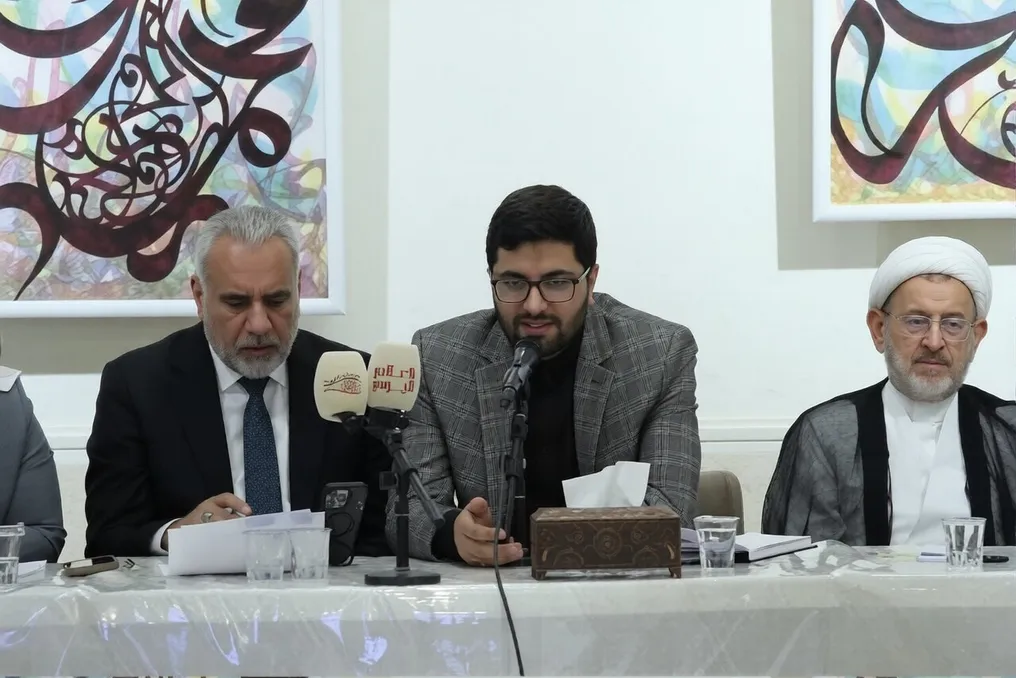
These discussions took place during an academic session titled 'Horizons of Scientific and Professional Development,' organized by the Association of Iraqi Graduates of Iranian Universities in Baghdad.
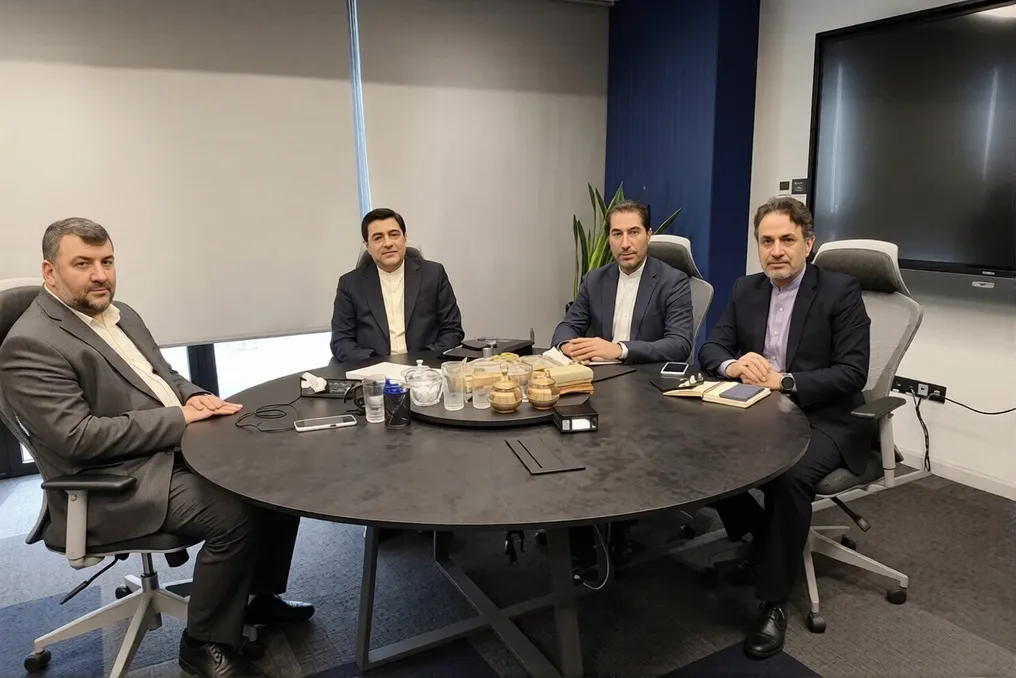
The meeting was attended by Mohammad-Javad Najafi, an Iranian scientific advisor in Iraq, Salah Bushi, head of the Iraqi Center for Strategic Affairs, as well as several graduates of Iraqi universities who studied in Iran.
The session provided an opportunity to explore options for closer academic cooperation and the exchange of scientific and professional experience.
Speaking at the event, Najafi noted that Iraqi graduates from Iran are valuable assets playing a key role in developing scientific and technological cooperation, creating joint research projects, and exchanging knowledge between the two states. He urged these students to maintain constant contact with their home universities in Iran.
For his part, Bushi elaborated on the significance of graduates from Iranian universities for Iraq's scientific and professional progress. He emphasized that the value of higher education lies in the ability to solve problems, increase organizational productivity, and provide services to society, adding that obtaining an academic degree is a starting point for forming competencies and acquiring professional skills.
This official also stated the necessity of utilizing university scientific achievements in large research projects and highlighted the importance of strengthening synergy between the higher education system, labor market demands, and national development priorities.
Furthermore, Iraqi students shared their views, expressed concerns regarding post-graduation issues, and proposed several recommendations.
On October 20, the Iraqi ambassador to Iran, Yasser Abdulzahra Al-Hajjaj, stressed that scientific cooperation between the two countries must go beyond student enrollment and include joint research, the exchange of professors and scientists, and the strengthening of technological ties. According to him, universities serve not only as educational centers but also as bridges for dialogue and expertise exchange among scientists from different countries, particularly Iran and Iraq.
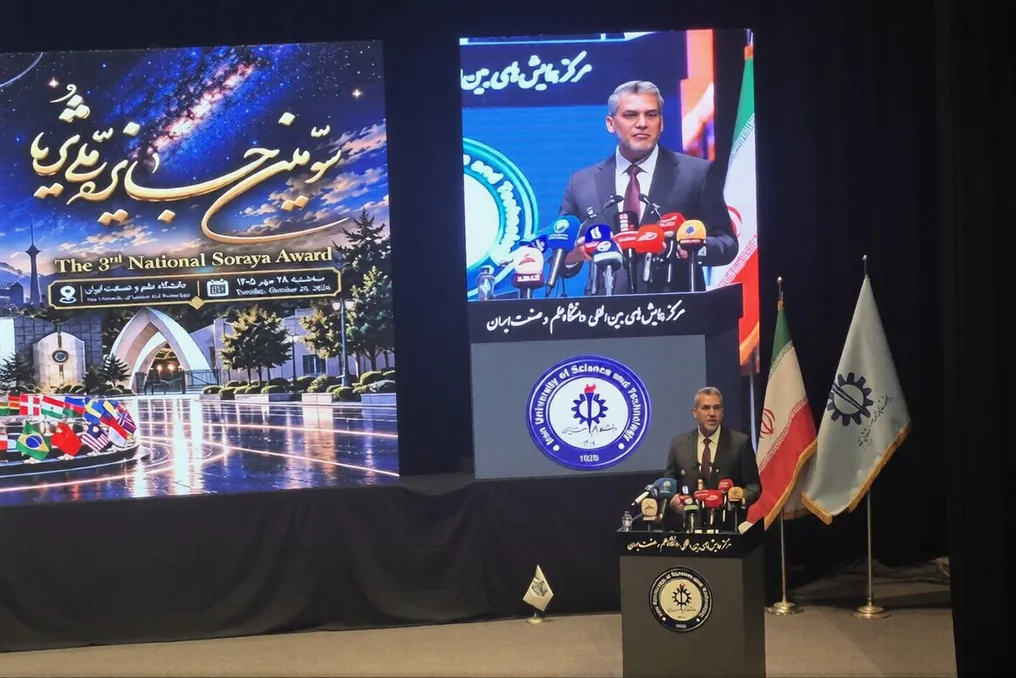
He made these remarks during a speech at the National Festival held at the Iranian University of Science and Technology. Al-Hajjaj noted significant progress in bilateral scientific relations, reporting that thousands of Iraqi students study in over 80 Iranian universities in medical and non-medical fields.
The past two weeks of Iran-Iraq science brought together more than 70 or 80 rectors from both nations, and over 250 Memoranda of Understanding (MOUs) were signed, indicating a positive experience in expanding scientific cooperation.
The ambassador also stated that the opening of the Tehran University Medical School branch in Iraq has contributed to stabilizing and advancing academic relations between Iran and Iraq more than ever before. He expressed hope for the soon opening of branches of Tehran University, as well as Sharif University of Technology and the Iranian University of Science and Technology in Iraq.
According to the official, Iraq is expanding its educational and research infrastructure, and with the increase in local universities, most Iraqi students will prefer to study at home. Given that 85 percent of Iraqi students in Iran are employees who, according to new Iraqi legislation, will face difficulties studying abroad, he suggested viewing this situation as an opportunity rather than a threat to revise the model of scientific interaction between the parties, otherwise, a potential decrease in the number of Iraqi students in Iran could create new problems.
The Iraqi official called for the implementation of joint research projects in areas such as medicine, agriculture, sand and dust, oil, gas, and new technologies like artificial intelligence. Other issues raised by Al-Hajjaj included the development of joint curricula and joint supervision of dissertations.
On October 18, Najafi and Haydar Abd Dahed, Deputy Minister of Higher Education and Scientific Research of Iraq, discussed ways to strengthen academic cooperation between the universities of the two countries, focusing on problem-solving approaches and meeting domestic and regional needs. The main topics of the meetings were cooperation in problem-oriented research, provision of scholarships, easing educational matters for students, and preparation for the 'Third Week of Iran-Iraq Science.'